
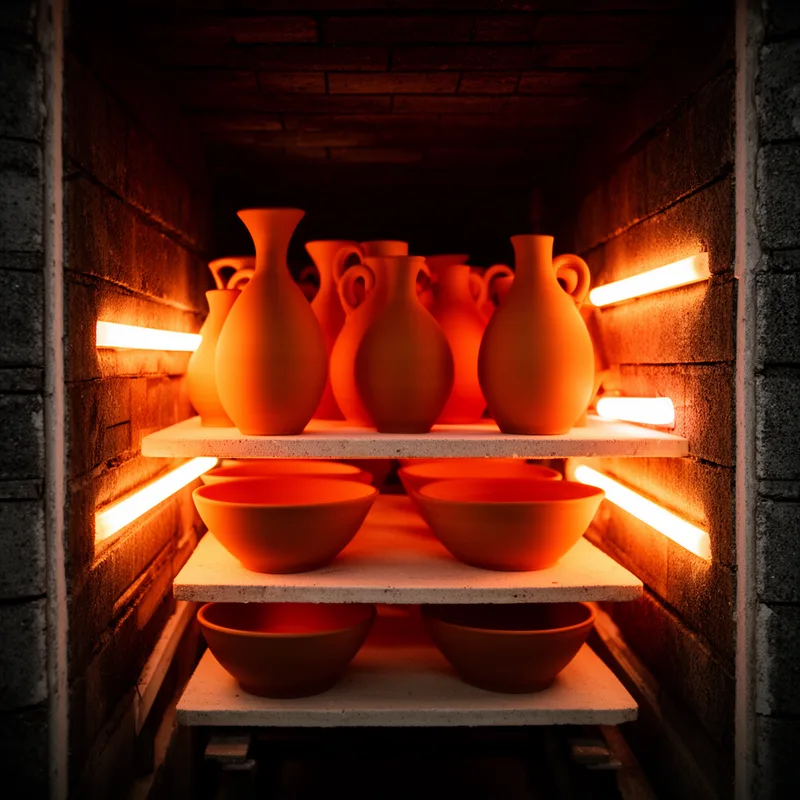
to fire
 3
6.8

- verb
- /faɪər/
- Specialized
- You know a kiln this size, needs at least eight men to fire it, 12 would be better.
- fired pots
- fired clay
- fired vessels
Examples
-
She even fired her own tiles in a homemade kiln.
-
The color of the fired clay is important; a clear color is preferred to a muddied one.
Academic text (2007) -
How in the world are you gonna mold, dry and fire all that brick, in eight weeks?
-
- It's a big job to build and fire kiln.
-
Once dry, the pots are fired in huge communal firings of as many as 800 pieces at a time.
Academic text (2007) -
After shaping, she dries them in the shade for several days, then fires them in a low-temperature kiln.
Academic text (2003) -
Around 28,000 years ago, its occupants discovered how to fire tiny clay figurines of humans and animals in a kiln.
Academic text (2002) -
She decided to fire her pottery in the kiln to make it strong and durable.
-
After shaping the clay, he placed it in the kiln to fire it with the perfect glaze.
-
The artist will fire the ceramic pieces at a high temperature for optimal results.
Synonyms


Antonyms
Idioms




- Informal
10
8.1
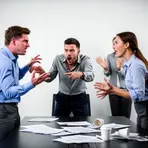
Make someone do what they promised or take responsibility by pressuring them


- Informal
6
5.9
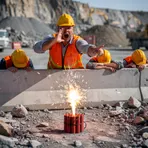
To make a bad situation worse by saying or doing something that makes people angrier



- Informal
4
7.3
If there are signs of a problem, it is probably true


- Informal
2
7.3
Escaping a bad situation and ending in a much worse one




- Informal
 1
8.9
Strong energy and passion that continue even when someone gets older
 1
8.9
Save someone from a difficult situation at the last moment
- Archaic
1
9.9
To cause great excitement or a big effect, often said to mean something is not impressive

To pay attention to something unimportant instead of the main task
Phrasal Verbs











Compounds

 145
1.1
A group that sends people to put out fires and help in emergencies in the local area
 55
2.7
A staircase or metal ladder on the outside of a building used to get out during a fire






 19
2.4
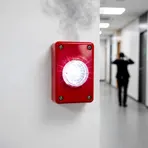
A practice where people leave a building to be safe during a fire or other emergency

- Formal
18
3.8
A person who makes sure buildings are safe from fire, investigates fires, and enforces fire safety rules


- Specialized
12
7.7
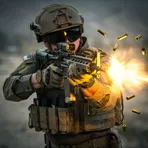
Intense gunfire aimed near an enemy to keep them from shooting back while friendly troops move




- Formal
7
3.4
A set of rules made by authorities about buildings to prevent fires and keep people safe





- Informal
4
7.4
A very difficult test that shows if someone can do a job under pressure




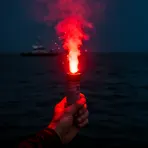
- Specialized
2
7.4
A bright red flame that comes from burning chemicals and people use in fireworks and flares


- US
2
7.3
A large fast fire that burns across dry grassland and spreads quickly in strong wind

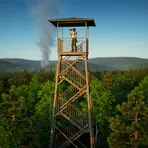

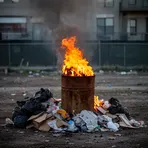

- Specialized
2
7.1
A slow burn in the layer of dead leaves and wood under the soil, often without visible flames


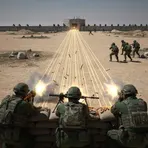
- Specialized
2
7.8
Continuous gunfire aimed at an enemy to stop them firing or moving so friendly troops can advance

- Specialized
2
5.9
Gunfire from the ground aimed at enemy planes to stop an air attack

- Specialized
1
8.2
Shooting at a target you cannot see using calculations or people who watch

- Specialized
1
9.9
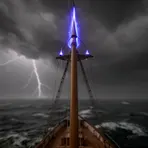
A blue glow that appears on pointed objects like ship masts or airplane wings during thunderstorms

- Canadian
1
2.3
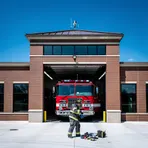
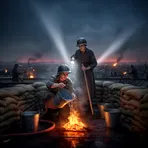
A building where firefighters keep equipment, work, and hold community events

- Specialized
1
6.1
A system that finds and aims weapons at military targets on ships or tanks

- Specialized
1
9.3
A long heavy stream of shots from large guns across a wide area to hit many places


- Specialized
1
6.8
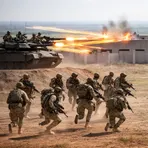
A system that uses radio waves to aim and fire weapons at military targets
- Specialized
1
7.0
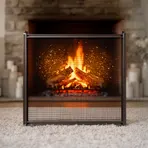
Gunfire by other soldiers or tanks that protects attacking soldiers from the enemy


How Hot

Surface Forms
Etymology
Fire for pottery comes from fyr meaning 'flame' and means to heat clay in a kiln so it becomes hard. So when you 'fire' a pot you put it in strong heat to finish it.