
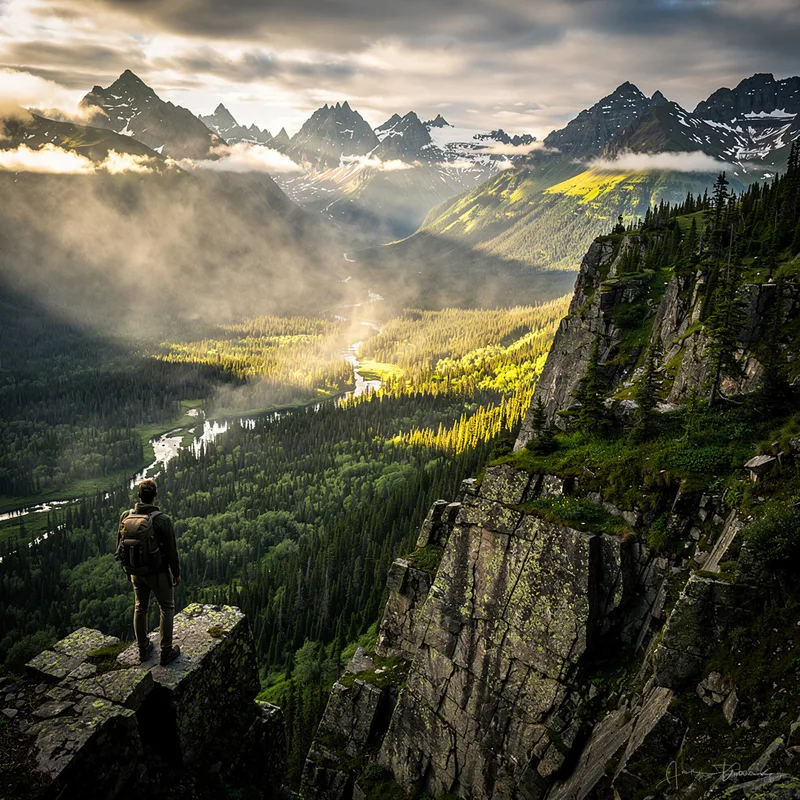
wild
 142
2.8
142
2.8

- noun
- /waɪld/
- The scientists had already removed some eggs and juveniles from the wild, beginning in 1983.
- extinct in the wild
- release into the wild
- survive in the wild
Examples
-
You ask me, what an animal does in the wild is his own business.
-
And so he goes into the wild and lives in this school bus.
-
And so he goes into the wild and lives in this school bus.
-
I was finally going to go into the wild with my father.
Fiction book (1999) -
Have you ever heard a fox in the wild, either of you?
-
Release them into the wild.
-
At least I saw the wild before it disappeared.
-
Do you know that grizzlies have been known to track their prey over 20 miles across the wild?
-
Before condors were removed from the wild, chicks stayed with their parents for several months until they fledged.
Academic text (1999) -
Many animals thrive in the wild, away from human interference.
Synonyms
 129
3.8
129
3.8
A natural area not changed by people and without people living there
 19
6.2
19
6.2
A wild area far from towns and roads, like a mountain
 4
5.5
4
5.5
An area of land left in its natural state and not built on

A thick natural forest left alone by people
Antonyms

Idioms




- Informal
A saying that you should not expect a wild person or thing to behave calmly
Compounds


- US
17
5.3
A time in the western United States when settlers moved in and there were few laws


- Jargon
5
6.3
In baseball, a pitch the catcher cannot catch that lets a base runner advance






- Offensive
2
7.8
A woman who does not follow normal social rules and is often avoided by others


- Archaic
1
6.3
A live show with cowboys riding horses, shooting, and showing life in the old West
 1
2.0
1
2.0
A water bird like a mallard that lives in lakes and rivers and is not kept by people
 1
3.0
1
3.0
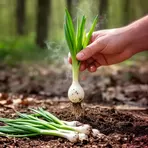
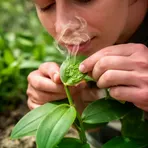
A strong-smelling plant with broad leaves that grows in woods and people use in cooking




A traveling American show from the 1880s that showed horse riding, shooting and frontier life


 1
7.2
1
7.2
A plant with a thick underground root used in traditional medicine for joint pain or liver problems
 1
7.4
1
7.4
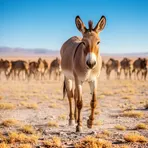
A large wild animal like a donkey that lives on dry plains in Asia and northeast Africa


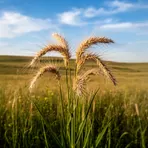
A tall rough grass from North America with spiky flower heads that grows in open grassland
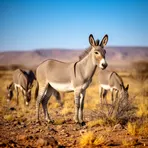
- South African
A wild donkey from dry northeastern Africa that is the ancestor of the domestic donkey

- Specialized
A large wild animal like a big cow that lives in Asian forests and grasslands
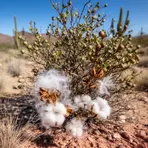
A shrub that grows in southern Arizona and Mexico and has seed pods with soft fibers like cotton


A place where injured wild animals get care and recover safely
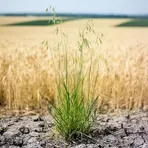


- US
A plant that grows every year in dry parts of southwestern US and Mexico and has small tubers like potatoes

A tropical plant that grows along the ground or climbs and has a large root people eat

- US
A climbing plant of dry areas that grows small hard green fruits people cannot eat


A low bog bush from northern Europe and Asia with leaves that smell strong and pleasant, not the cooking herb


A North American wild plant with sweet-smelling roots used for drinks and medicine


- UK
A wild Mediterranean grass that is the original form of the grain grown for food
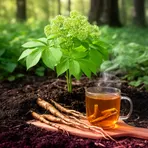
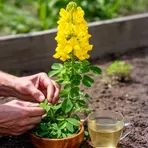
- US
A North American plant with bright yellow flowers whose leaves people use as medicine


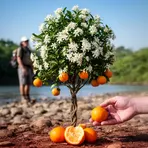
A plant with bright yellow and orange flowers that grows wild and can be a weed

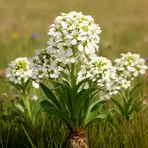

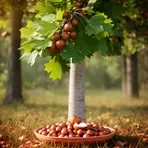
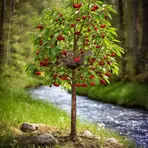
A European tree with lobed leaves and small brown spotted fruits you can eat


- US
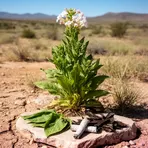
A wild plant from South America and Mexico with leaves used for smoking and not usually grown for sale
How Wild

Surface Forms
Etymology
Wild comes from an old English word meaning 'untamed' or 'of the woods', so the wild as a noun is the natural land that people have not changed.