
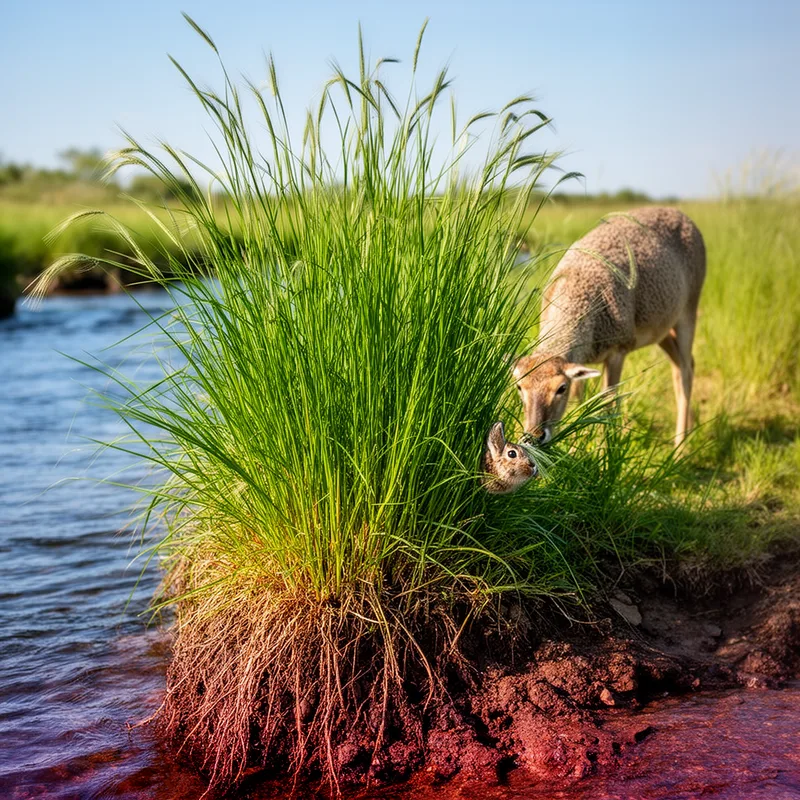
wild rye
- noun
- /waɪld raɪ/
- The wildlife in the area thrives on the seeds produced by wild rye in the late summer.
Examples
-
You can often find wild rye growing along the edges of fields and roadsides in the northern regions.
-
The old women remember where the giant wild rye will produce in years of drought and where you can dig for water when the streams dry up.
Fiction book (1992) -
PHOTO (COLOR): Two years after juniper cuttings, Tony Svejcar inspects the regrowth of tall basin wild rye in a Steens Mountain test plot.
Academic text (1994) -
Many farmers choose to sow wild rye as a cover crop to help prevent soil erosion during the winter months.
Synonyms

A tall grass like wild rye that lives for several years and grows in cool regions

A tall wild grass from North America with bristly spikes that grows in prairies and open woods
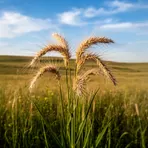
A tall rough grass from North America with spiky flower heads that grows in open grassland
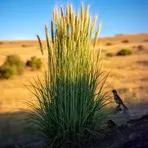
A tall grass called giant wildrye that grows in western North America

A group of grasses like wild rye that live for many years and grow in mild regions
Surface Forms
Morphology
The noun phrase 'wild rye' is a straightforward adjective + noun composition meaning rye that grows naturally or untamed; a B1 learner who knows 'wild' and 'rye' can readily infer this botanical sense. This compositional pattern is common cross-linguistically and follows standard English modifier+noun logic, so the phrase is immediately comprehensible from its parts.
Etymology
Wild rye names a grass that is literally a wild form of rye growing naturally in fields, along rivers, and on hills. Imagine tall, untended rye bending in the wind, helping to keep the soil and giving 'food for animals', so the name points to a wild grass used for 'animal food' and to 'keep soil in place'.

