

wild
 355
4.2
355
4.2

- adjective
- /waɪld/
- The party turned wild as everyone danced and celebrated without restraint.
- run wild
- go wild
- wild parties
Loading YouTube…
Watch on YouTubeBut yeah, just went into Tesco wild wild Friday night here.
- But yeah, just went into Tesco wild wild Friday night here.
- He's always doing a lot of pretty wild things on social media.
- And yeah, it was a wild, wild childhood.
- And before you know it, everybody was being wild and nasty.
- That was a wild night you were involved with.
- So yeah, I mean, really wild, crazy, just all over the place.
- And he's being very wild and just expecting him to go.
Examples
-
I know the troops go wild when they get in the big city.
-
It's going to be a wild, wild Friday night.
-
So yeah, I mean, really wild, crazy, just all over the place.
-
Music classrooms can sometimes get a little wild and slightly out of control.
Academic text (1996) -
Most times I saw him, he was flushed, wild, emotional, and angry.
Academic text (2011) -
The world will be stuck with wild price swings for the foreseeable future.
Academic text (2011) -
You're absolutely the wildest, most unpredictable person I ever knew.
-
Let's go wild!
-
Wild night there, huh?
-
After the game, the fans went wild, chanting and cheering in excitement.
Synonyms
 ∞
3.5
∞
3.5
Very enthusiastic or excited, often in a way that seems unreasonable
 138
1.3
138
1.3
Very excited and unable to stay calm
 93
3.9
93
3.9
Very worried and acting quickly in a wild, uncontrolled way
 21
6.5
21
6.5
Showing very strong excitement and uncontrolled actions
 19
8.6
19
8.6
Very wild and out of control, seeming crazy
 7
7.2
7
7.2
Acting or speaking in a wild, not sensible way
 3
7.5
3
7.5
Behaving in a wild way that breaks social rules
 1
5.0
1
5.0
Acting in a wild and uncontrolled way


 1
8.0
1
8.0
Showing wild, irrational behavior
 1
7.5
1
7.5
Being very lively or excited in a way that feels too much

Very crazy and wild in a way that seems out of control

Wild and noisy in a way that makes people feel upset

Very excited and unable to stay calm
Antonyms



Idioms




- Informal
A saying that you should not expect a wild person or thing to behave calmly
Compounds


- US
17
5.3
A time in the western United States when settlers moved in and there were few laws



- Jargon
5
6.3
In baseball, a pitch the catcher cannot catch that lets a base runner advance






- Offensive
2
7.8
A woman who does not follow normal social rules and is often avoided by others


- Archaic
1
6.3
A live show with cowboys riding horses, shooting, and showing life in the old West
 1
2.0
1
2.0
A water bird like a mallard that lives in lakes and rivers and is not kept by people
 1
3.0
1
3.0
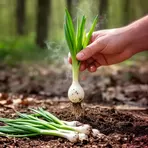
A strong-smelling plant with broad leaves that grows in woods and people use in cooking



A traveling American show from the 1880s that showed horse riding, shooting and frontier life


 1
7.2
1
7.2
A plant with a thick underground root used in traditional medicine for joint pain or liver problems
 1
7.4
1
7.4
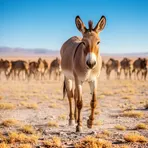
A large wild animal like a donkey that lives on dry plains in Asia and northeast Africa


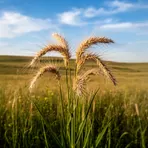
A tall rough grass from North America with spiky flower heads that grows in open grassland
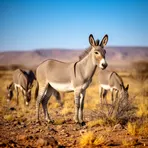
- South African
A wild donkey from dry northeastern Africa that is the ancestor of the domestic donkey

- Specialized
A large wild animal like a big cow that lives in Asian forests and grasslands
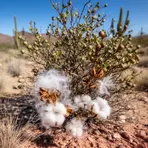
A shrub that grows in southern Arizona and Mexico and has seed pods with soft fibers like cotton


A place where injured wild animals get care and recover safely
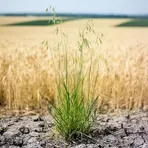


- US
A plant that grows every year in dry parts of southwestern US and Mexico and has small tubers like potatoes

A tropical plant that grows along the ground or climbs and has a large root people eat

- US
A climbing plant of dry areas that grows small hard green fruits people cannot eat


A low bog bush from northern Europe and Asia with leaves that smell strong and pleasant, not the cooking herb


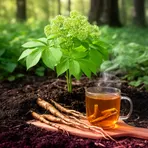
A North American wild plant with sweet-smelling roots used for drinks and medicine


- UK
A wild Mediterranean grass that is the original form of the grain grown for food
- US
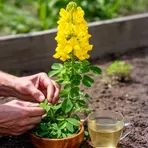
A North American plant with bright yellow flowers whose leaves people use as medicine


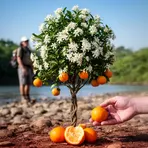
A plant with bright yellow and orange flowers that grows wild and can be a weed

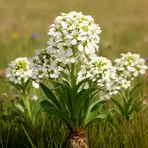

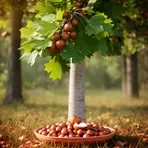
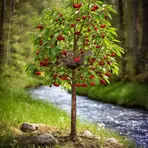
A European tree with lobed leaves and small brown spotted fruits you can eat


- US
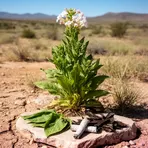
A wild plant from South America and Mexico with leaves used for smoking and not usually grown for sale
How Wild

Surface Forms
Etymology
Wild once described animals that were 'untamed', and because that idea suggests no control, we also use wild for behavior that is uncontrolled or excessive, like a wild party.