

wild indigo
- noun
- /waɪld ˈɪndɪɡoʊ/
- US
- We spotted several species of wild indigo growing along the roadside in early summer.
Examples
-
The fields were dotted with wild indigo, their bright yellow flowers attracting bees.
-
Gardeners plant wild indigo for its striking blooms and drought resistance.
-
The wild indigo blooms beautifully in the summer.
-
Many gardeners appreciate wild indigo for its vibrant colors.
-
The wild indigo blooms beautifully with its bright yellow flowers during the summer months.
-
In the prairies, wild indigo grows alongside other wildflowers, creating a vibrant ecosystem.
-
Farmers often seek to plant wild indigo due to its ability to enrich the soil with nitrogen.
Synonyms

A plant that lives many years with blue, pea-like flowers often grown in gardens
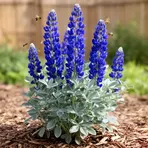
A North American plant that lives for many years with spikes of blue flowers and gray-green leaves
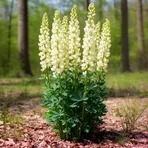
A wild plant with upright stems and creamy white flowers native to the eastern United States

A plant with creamy white flowers that grows in meadows and woods
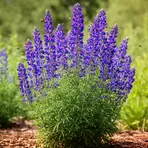
A North American shrub with blue or purple flowers often grown in gardens
Surface Forms
Morphology
The compound is compositionally built from 'wild' (growing naturally) + 'indigo' (the indigo plant or the indigo color), so a B1 learner who knows both words will readily infer it denotes an indigo plant that grows in the wild. The precise botanical identity (Baptisia) is a specialist detail but does not prevent basic comprehension, and the 'wild X' naming pattern is cross-linguistically common.
Etymology
Wild indigo gets its name from early farmers who thought the plant's blue flowers looked like the true indigo plant used to make 'blue dye', so they called the wild plant wild indigo. That's why today wild indigo is the name for these wild plants with indigo-like flowers.

