
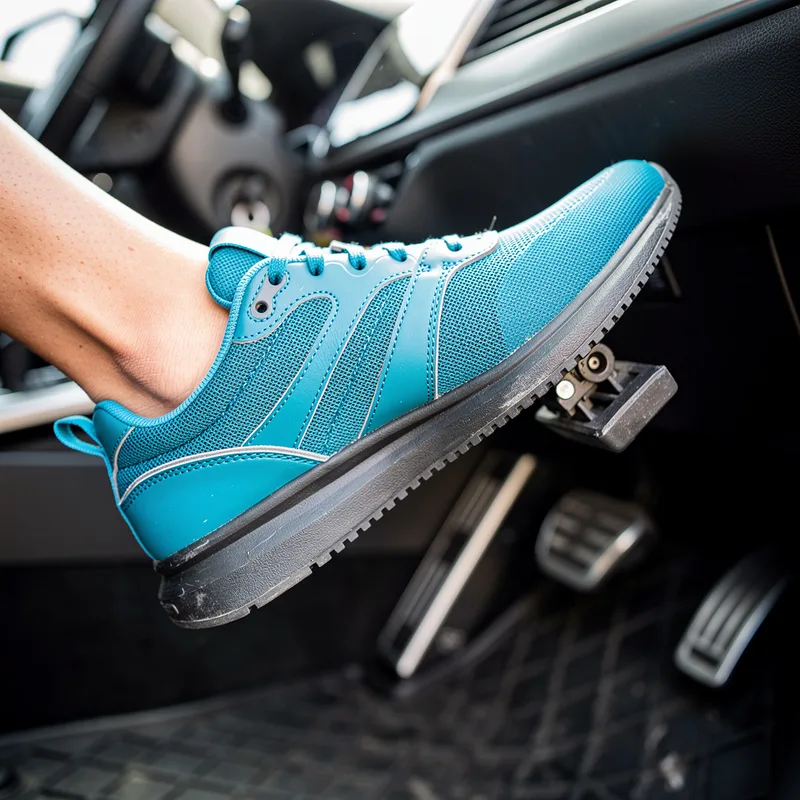
to ease up
 57
3.7
57
3.7

- phrasal verb
- /iːz ʌp/
- The coach told the players to ease up during practice to avoid injuries.
Loading YouTube…
Watch on YouTubeSo he said all right, all right, all right, ease up, I'll do it.
- So he said all right, all right, all right, ease up, I'll do it.
- The deadline will pass, the bills will get paid, the work will ease up.
- What you know, We need to ease up and realise that we need more of this in our lives.
- The question is, will the government ease up if the problem of default starts to get out of control?
- And then as you move away from a crisis moment, you see some easing up and that there's always a sort of an oscillation over the over the decades.
- When restrictions eased up she started performing hardcore content and with her new found money was able to afford a lavish, by my standards at least, style of living.
Examples
-
After a stressful week, she decided to ease up on her strict workout schedule.
-
All right, Mr Percival, ease up on the reins.
-
Look, ease up on the love talk...
-
But it would be a good thing if we could ease up a little.
Blog text (2) -
And sure enough, there are those here today who say ease up, spend more, borrow more.
-
The question is, will the government ease up if the problem of default starts to get out of control?
-
Hey, Johnnie, ease up, okay?
-
Ease up on her, Netah.
-
Wayne, I'm gonna have to arrest you if you don't ease up.
-
And my grades are going up, so can't we ease up on the twenty-four/seven study thing?
Fiction book (1999)
Synonyms
 687
1.4
687
1.4
To move or act more slowly
 594
1.4
594
1.4
To become less angry, excited, or upset
 305
2.1
305
2.1
To make something less painful or difficult
 88
1.0
88
1.0
Make something less tight so it can move or open
 78
1.0
78
1.0
To make or become less tight
 56
2.5
56
2.5
To become quiet and calm after being excited
 55
6.2
55
6.2
To calm down and stop being angry or excited
 54
3.8
54
3.8
To become less strong, especially for bad weather, pain, or pressure
 50
2.7
50
2.7
To become calmer, less angry, or less hot
 50
3.1
50
3.1
Make something less strong or harsh
 46
2.7
46
2.7
To become less strong or loud over time
 44
3.7
44
3.7
To make something less strong, for example a sound, color or feeling
 39
3.7
39
3.7
To relax after a busy or stressful time and slowly come to an end
 35
3.4
35
3.4
Become relaxed and less tense after work or a stressful time
 34
2.8
34
2.8
To make something smaller in amount or strength
 31
3.4
31
3.4
To relax and become less nervous or tense
 23
6.8
23
6.8
To become less strong or severe and to make something do the same
 19
2.5
19
2.5
Feel less angry or excited
 17
7.4
17
7.4
To act in a less loud or angry way
 14
4.1
14
4.1
To become calm after strong feelings or to tell someone else to calm down
 14
4.1
14
4.1
Make something, like a taste, sound, or plan, less strong
 11
4.2
11
4.2
Relax and become less tense after work or stress
 10
6.3
10
6.3
Become more relaxed and easygoing
 9
4.0
9
4.0
To become gradually less strong or severe
 8
2.7
8
2.7
Move or make something move less quickly
 6
3.6
6
3.6
Begin to fall after rising or staying steady
 5
5.7
5
5.7
Reduce the strength of feelings or public anger
 4
4.1
4
4.1
To make a feeling, sound, or action less strong
 1
7.2
1
7.2
To make something less in small steps that are hard to bring back
 1
3.8
1
3.8
To make something less rough by pressing it flat or by calming people
 1
5.5
1
5.5
Become or make less tight, like a rope
 1
7.3
1
7.3
To become less strong or less tight


 1
5.7
1
5.7
Move, act, or work less quickly and with less energy

To become less strong or active

To make a conflict or tense situation less dangerous and calmer

Make a tense person or situation feel more relaxed

To make muscles or nerves feel less tight after stress

To make someone feel calmer or less angry

To move or stretch your muscles so they are ready to work

Let go of something you are holding, physically or emotionally
Antonyms


How Reduced

Surface Forms
Morphology
The meaning 'to reduce pressure or become less strict' follows directly from combining 'ease' (to reduce severity) with the particle 'up' that here marks a change toward a less intense state; this verb+particle pattern is a regular, compositional phrasal-verb formation. A B1 learner who knows both constituents and basic particle uses would very likely infer the MWE's meaning without prior exposure.
Etymology
Ease up may come from the simple image of loosening a tight rope or letting air out of a tire: to ease something up is to let a little pressure go so it becomes gentler. That's why it means 'to reduce pressure or force' or 'to become less strict'.