
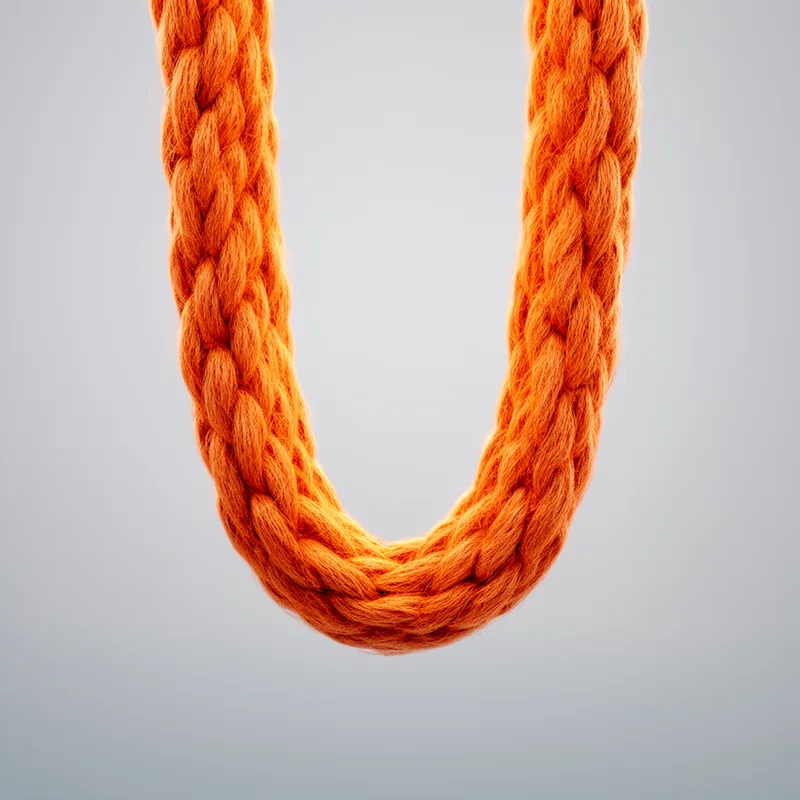
to relax
 78
1.0
78
1.0

- verb
- /rɪˈlæks/
- Feel your cheeks relax and your jaw relax.
- relax muscles
- relax your shoulders
Loading YouTube…
Watch on YouTubeLetting that neck completely relax all the way back.
- Letting that neck completely relax all the way back.
- So the fuselage is stretched and then relaxed with every flight.
- But so now you're there, you you start to relax your body.
- Usain Bolt coming from the Bud Winter strategy of relaxing, relaxed sprinting, relaxed effort.
- So she's going to spray some kind of rose serum water to help relax my scalp.
- And if there is any there, just gradually allow your jaw to relax and drop a little.
- Just that shift in relationship, the part starts to relax a lot.
Examples
-
As soon as she makes this decision, she relaxes and feels herself drifting off again.
Fiction book (1992) -
Letting that neck completely relax all the way back.
-
And then go through this exercise of how to relax the body.
-
We're going to take a journey that will help you to relax and clear your mind.
-
In fact, I have to remind myself to breathe and to relax when I'm doing this work.
-
And if there is any there, just gradually allow your jaw to relax and drop a little.
-
Your core muscles really need relaxing.
-
As the performance progresses, you relax and admit that the poetry fits with the music fairly well.
Academic text (2000) -
When applying makeup, relax your face so you don't create any tension lines.
-
Take a deep breath and relax your muscles to feel more comfortable.
Synonyms
 119
2.4
119
2.4
To move slowly and carefully to avoid pain or noise
 88
1.0
88
1.0
Make something less tight so it can move or open
 57
3.7
57
3.7
To make something less strong or strict
 31
3.4
31
3.4
To relax and become less nervous or tense
 30
3.0
30
3.0
To let something go free or make it less tight
 9
4.0
9
4.0
To become gradually less strong or severe
 1
5.5
1
5.5
Become or make less tight, like a rope
 1
7.0
1
7.0
To make something less tight or set something free

Make a rope or line less tight

To make the body or mind less tense
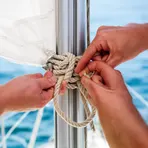
To make something less tight or free it from something holding it
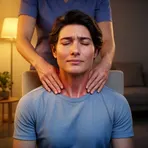
To make muscles or nerves feel less tight after stress

To make muscles feel less tight or stiff

To free a part of your body from a tight painful position

Make a sound in a word weaker or reduce force in a part of an object
Antonyms

Phrasal Verbs

How Loose

Surface Forms
Etymology
Relax comes from the Latin parts re- and lax meaning 'loose', so it literally means to 'make loose again'. Picture a tight muscle or rope slowly letting go and becoming loose — that's why relax can mean to make something less tight.