to unloose

to unloose

1 7.0
To make something less tight or set something free
  • verb
  • /ʌnˈluːs/
  • Archaic
translation icon : aflojar
  • All she did was unloosen the nuts and put the tire on.

Examples

  • Unloosen that belt.

  • Straight, I unloosed her chain, and stepping in, pushed from the shore.

    Academic text (2011)
  • Sir, would you unloosen the ropes?

  • Unloosen your fist.

  • That does it: Hasari's mother dissolves in tears, but the old man nevertheless unlooses her insistently from the children.

    Fiction book (1992)
  • All prison doors are open, all chains and shackles unloosed, so that any soul may be delivered from the bondage of Satan and come to enjoy the freedom of the sons of God.

    Blog text (12)
  • Could you please unloose the lid on this jar? It's stuck tight.

  • He struggled to unloose the tangled fishing line from the reel.

  • Before we start cooking, make sure to unloose the apron strings.

Synonyms

to release
vsto unloose
1.8

To let someone or something go free from being held

focuses more on reducing tightness rather than only freeing
to let go
vsto unloose
1.4

To stop holding something or someone so they are free

is used more for loosening or freeing rather than just releasing grip
to free
vsto unloose
337 1.0

To release someone or something that is held

is more about loosening physical tension rather than broad liberation
to liberate
vsto unloose
104 4.3

Set someone free from prison or unfair control

is milder, usually meaning to loosen or release physically not politically
to untie
vsto unloose
91 1.0

Make a knot or lace loose by undoing it

is broader, used for any loosening not only the undoing of knots
to loosen
vsto unloose
88 1.0

Make something less tight so it can move or open

is broader, covering both freeing and reducing tightness in many situations
to disengage
vsto unloose
82 5.3

To stop being part of or connected to something

is more about reducing tightness rather than simply separating attachments
to loose
vsto unloose
30 3.0

To let something go free or make it less tight

is slightly more formal, stressing freeing or reducing tension
to extricate
vsto unloose
22 7.6

Free a person or thing from something that traps them

is more specific to simple loosening or releasing rather than complex rescue
to unseal
vsto unloose
20 4.3

To open something by breaking or removing a seal

is more general, covering loosening beyond opening sealed containers
to let loose
vsto unloose
13 3.8

Set something free from being held or controlled

is more neutral, meaning simply to loosen or set something free
to unlatch
vsto unloose
7 3.2

Open something by lifting or releasing a small catch that holds it closed

applies more generally, not limited to doors or latching mechanisms
to unchain
vsto unloose
6 4.1

Remove chains and other things that hold someone so they are free

covers general loosening too, not only removal of heavy metal restraints
to unwind
vsto unloose
5 3.7

Make a wrapped or twisted thing loose and straight

is broader, applying to any loosening not only reversing windings
to unfasten
vsto unloose
5 3.4

To open something by undoing a button or zipper

is wider, used for both general loosening and full release situations
to uncouple
vsto unloose
5 5.3

To disconnect two things that are joined, often machine parts

focuses on loosening tension or freeing rather than separating connections
to unshackle
vsto unloose
5 6.5

Free someone or something from limits and control
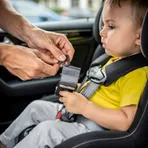
is more everyday and often physical, not always strong figurative emancipation
to unstrap
vsto unloose
4 3.9

To take off a belt or band that holds something in place

is broader, applying to loosening in many ways not just straps
to unbind
vsto unloose
3 6.4

To free something by untying ropes or cords

focuses on reducing tightness or freeing in any context not only bindings
to unclasp
vsto unloose
3 5.6

To open something held closed by a small metal catch or let go of something you were holding

is broader, covering loosening in many other objects and contexts
to unlace
vsto unloose
3 3.8

To untie strings that close shoes or clothing

is more general, covering loosening beyond tied laces and clothing
to unstick
vsto unloose
1 3.9

To come away from something it was stuck to

focuses on loosening tightness not just separating stuck surfaces
to slacken
vsto unloose
1 5.5

Become or make less tight, like a rope
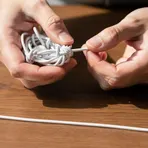
is more general, used for both loosening and freeing in many uses
to disentangle
vsto unloose
1 5.3

To free something twisted and knotted, like a cord

is broader, used for loosening beyond untangling physical knots or tangles
to untether
vsto unloose
1 6.6

To release something that is tied or fastened so it can move away

is broader, referring to making less tight rather than only removing ties
to unattach
vsto unloose
1 6.1

To separate something from what it is connected to

focuses on reducing tightness or freeing rather than mere detachment
to unmold
vsto unloose
  • US
1 5.4

Take something out of the mold after it becomes firm

is broader, used for loosening rather than only release from a form
to unhook the latch
vsto unloose
1 5.0

To open a gate or window by taking off the small catch that holds it closed

is more general, used for loosening beyond simple hook removals
to unclamp
vsto unloose
  • Specialized
1 5.1

To loosen or remove a clamp that holds something

is used more widely, not limited to tools or mechanical clamps
to unreel
vsto unloose
1 7.4

To pull a line or cable from a reel

is more general, used for loosening beyond reel or spool actions
to unjam
vsto unloose
1 4.2

To free something that is stuck so it can move or work again

is more general, applying to loosening rather than clearing mechanical blocks
to unwedge
vsto unloose
1 7.4

To free something that is stuck by removing what blocks it so it can move again

is broader, used for loosening that does not require wedge removal
to unglue
vsto unloose
1 3.5

To remove something that is stuck with glue

is more general, covering loosening beyond adhesive separations
to cast loose
vsto unloose
1 6.7

To free something by letting go of ties or limits

is often simpler, meaning to loosen or make less tight rather than detach
to unloosen
vsto unloose
  • Archaic
7.2

To make something less tight or free it from something holding it

is the original common form for the same loosening meaning
to unloose grip
vsto unloose
6.7

Let go of something you are holding, physically or emotionally

is more general, applying to loosening beyond just a physical hold
to ungrip
vsto unloose
6.8

To let go of something you hold tightly

emphasizes loosening more broadly, not only stopping a tight hand hold
to unloose (a) knot
vsto unloose
  • Archaic
5.9

To untie a knot so it comes apart

is more general, covering other ways of making things less tight
to uncoil from
vsto unloose
5.4

To come out of a tight roll or curl

focuses on general loosening rather than a specific uncoiling action
to unsnap
vsto unloose
4.6

Release a window or panel from a fixed position so it can move

is broader, not limited to snapped connections or interface actions
to unchoke
vsto unloose
6.7

To remove a block so water or air can flow again

is broader, applying to simple loosening rather than clearing flow obstructions
to unbend
vsto unloose
6.0

Make a rope or line less tight

is broader, covering loosening that is not only about straightening or tension
to uncramp
vsto unloose
5.6

To free a part of your body from a tight painful position

is more general, applying to many loosening situations beyond cramped cases
to unlax
vsto unloose
  • Archaic
9.9

To make the body or mind less tense

focuses more on freeing or loosening physically rather than just relaxation
to unrein
vsto unloose
9.9

To take the reins or other ties off something so it can move

is broader, applying to loosening beyond animal control and riding contexts

Antonyms

145 1.5

To make something hold firmly, like a bolt or belt

86 4.6

Hold a person or thing so it cannot move freely

Phrasal Verbs

Let go of something you are holding, physically or emotionally

5.9

To untie a knot so it comes apart

How Loose

to release
1.8
to untie
91 1.0
to unloose
  • Archaic
1 7.0
to loosen
88 1.0

Surface Forms

unloose infinitive
unloosed past
unloosed past participle
unloosing present participle
unlooses third person singular

Morphology

unloose = loose (transparent) = un + loose

Meaning is directly derived from the negative/reversative prefix 'un-' plus the verb 'loose' meaning 'to release' or 'make less tight'.

Etymology

Unloose comes from the prefix un- ('undo') and the word loose ('free' or 'not tight'), the same loose you see in 'let loose'. So, to unloose something is to undo its ties or set it free.