to unattach

to unattach

1 6.1
To separate something from what it is connected to
  • verb
: desprender
  • Can you unattach it from the wall?

Examples

  • Bone marrow cells in vivo live unattached in a three-dimensional connective tissue framework.

    Fiction book (1996)
  • Make sure to unattach the hose from the faucet before winter.

  • And now I will magically unattach them.

  • The sweat bead reaches the bottom of Ed's chin, trembles for a second, then unattaches itself.

    Fiction book (1998)
  • She'd been talking with another woman at the bar who was as short and pale as she was tall and weathered, but it looked like one of those conversations that unattached people have in bars when they're looking for someone else to talk with.

    Fiction book (1994)
  • To clean the shelves properly, you need to unattach the brackets first.

Synonyms

to remove
vsto unattach
∞ 1.5

To move something or someone away from a place

is specifically about making things come apart from what held them
to separate
vsto unattach
321 2.9

To move apart or stop being together

is narrower, focusing on physical detaching rather than ending relationships
to come off
vsto unattach
235 3.5

To become loose and fall off

is a general word for making or being made separate
to pull off
vsto unattach
195 2.7

To take something off from where it is attached

is not limited to removal by pulling and covers all separation ways
to untie
vsto unattach
121 1.0

Make a knot or lace loose by undoing it

is broader and includes separations that do not involve knots
to disconnect
vsto unattach
104 3.5

To separate something so it is no longer joined, for example remove a cable or turn off power

is the broader term covering any act of making items separate
to break off
vsto unattach
71 2.8

To make a piece come away from something by hitting or bending it
is about separation by any method, not only forceful ones
to disengage
vsto unattach
51 5.3

To stop being part of or connected to something

is simply about moving parts apart rather than ending involvement
to unhook
vsto unattach
35 2.5

To take something off where it hangs, like a coat or necklace

applies to many attachment types, not only things on hooks
to dislodge
vsto unattach
29 6.1

To force something or someone out of a place where they are stuck

is neutral about force and covers any way of coming apart
to detach
vsto unattach
9 4.0

To come apart from something it is connected to

is the neutral term for separating something from what holds it
to decouple
vsto unattach
5 6.7

Disconnect parts that were joined so they work independently

is the general word for taking components apart without system focus
to unfasten
vsto unattach
5 3.4

To open something by undoing a button or zipper

is the wider action of separating rather than only undoing fastenings
to uncouple
vsto unattach
5 5.3

To disconnect two things that are joined, often machine parts

applies more widely beyond mechanical or physical connections
to unbind
vsto unattach
4 6.4

To free something by untying ropes or cords

is the general action of making things separate rather than freeing bindings only
to unhitch
vsto unattach
4 5.7

To take off something that is attached to another thing, like a trailer or bicycle
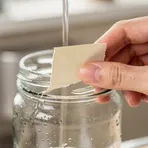
covers general separation, not only from towing or hitches
to unstick
vsto unattach
3 3.9

To come away from something it was stuck to

covers general separation not limited to sticky situations
to unloose
vsto unattach
  • Archaic
1 7.0

To make something less tight or set something free

focuses on general separation regardless of looseness or tightness
to unglue
vsto unattach
1 3.5

To remove something that is stuck with glue

is broader, applying to separation by any attachment method
to disjoin
vsto unattach
1 7.4

Separate things that are attached to each other

is used for separating items from what holds them in place
to untether
vsto unattach
1 6.6

To release something that is tied or fastened so it can move away
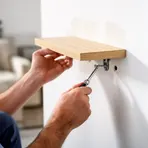
applies to separation in general, not only cutting or undoing ties
to unfix
vsto unattach
1 6.8

Take something off a wall or surface

is the general term for making items separate from what holds them
to disjoint
vsto unattach
1 7.0

To separate parts so they are no longer connected

is the general expression for removing attachments or links between parts
to unwedge
vsto unattach
1 7.4

To free something that is stuck by removing what blocks it so it can move again

is the general action of making items separate, not wedge specific
to come unstuck
vsto unattach
1 5.8

To become loose and move away from a surface
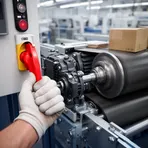
is used for separation in any context, not only from a surface
to undrive
vsto unattach
  • Specialized
9.9

To stop a machine part from getting power so it no longer moves

is about separating objects, not specifically cutting machine power or drive

Antonyms

599 2.5

To join or fasten one thing to another so they stay together

21 5.0

To attach something to another thing by sticking or fastening it

How Attached

to secure
105 3.3
to attach
599 2.5
to unattach
1 6.1
to loosen
185 1.0

Surface Forms

unattach infinitive
unattached past
unattached past participle
unattaching present participle
unattaches third person singular

Morphology

unattach = attach (transparent) = un + attach

Formed by productive English prefix 'un-' + the verb 'attach', yielding a clear reversal meaning.

Etymology

Unattach is formed from un- ('reverse' or 'not') and attach ('to fasten or join'), so it literally means to take something off or separate it from what it was fixed to.