

to disjoint


 1
7.0
1
7.0
- verb
- /dɪsˈdʒɔɪnt/
- The records are mainly disjointed with gaps and short periods shown; the trends are different for adjoining stations. About 1/3 of the sites go up, 1/3 go down, and 1/3 show random ups and downs with no clear trend at all.
Examples
-
The team struggled to work together because their strategies were disjoint, leading to confusion on the field.
-
Watching the young man on the rock trying to disjoint his own fingers, I was forcibly reminded of the captain, facing some insoluble problem of supply.
Fiction book (1991) -
Therefore, "audience" cannot be disjointed from "content": make sure you don't fall.
Blog text (13) -
The strands of their stories are jumbled and disjointed.
Academic text (1999) -
Without Suggs, a fifth-year senior, Washington was disjointed in its shocking loss to Albany.
Blog text (3) -
After the accident, her memories of the event felt disjoint, with pieces missing and unclear connections.
-
Without proper communication, the project became disjoint, causing delays and misunderstandings among team members.
Synonyms
 241
2.9
241
2.9
To separate and move in different directions after being together
 219
2.7
219
2.7
To keep one thing apart from another so they do not mix
 161
3.5
161
3.5
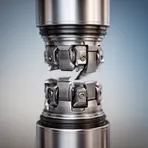
To separate something so it is no longer joined, for example remove a cable or turn off power
 82
5.3
82
5.3
To stop being part of or connected to something
 64
4.2
64
4.2
Take something apart into separate pieces
 28
2.8
28
2.8
To make a piece come away from something by hitting or bending it
 16
4.0
16
4.0
To come apart from something it is connected to
 5
5.3
5
5.3
To disconnect two things that are joined, often machine parts
 4
6.7
4
6.7
Disconnect parts that were joined so they work independently
 2
7.0
2
7.0
To treat two things as separate and not related
 1
9.8
1
9.8
Take bones or meat apart at the joints
 1
7.0
1
7.0
To cause people or groups to separate
 1
7.4
1
7.4
Separate things that are attached to each other
 1
6.6
1
6.6
To release something that is tied or fastened so it can move away
 1
6.1
1
6.1
To separate something from what it is connected to
 1
8.0
1
8.0
To separate a company into independent businesses

To divide something into separate parts
How Joined
88
1.0
 161
3.5
829
2.1
1
7.0
241
2.9
50
3.0
161
3.5
829
2.1
1
7.0
241
2.9
50
3.0
Surface Forms
Morphology
Etymology
Disjoint comes from the parts dis- 'apart' and joint 'joined'. As a verb, to disjoint is to take something apart or disconnect parts that were joined, so the pieces end up separated.