

to detach
 16
4.0
16
4.0

- verb
- /dɪˈtæʧ/
- One day, while working through the patch, I saw a small pumpkin detached from its vine.
- become detached
- completely detached
- almost detached
Loading YouTube…
Watch on YouTubeThe tail wing fell off detached from the aircraft.
- The tail wing fell off detached from the aircraft.
- This right here is a zipper, and then this detaches and it comes completely off.
- And during that time, people will either grit their way through it and they will either detach from their feelings or they will suppress their feelings.
- And the numbing and the detaching of the child may look like taking drugs, skipping school, petty crime, because then the child gets seen.
- So like, their habitat is shrinking and sometimes they get stuck on ice that detaches from the there's there's no land left for them.
- And as you get older through throughout old age, it detaches anyway.
Examples
-
Nyx, following his gaze, saw a piece of morning sky detach itself and fall.
Fiction book (1993) -
We detached just before the sub collapsed!
-
The next year, he was flying and he reports that an accident saw a door come detached on the aircraft.
-
If an arm or leg becomes detached, you can pick it up at the lost and found.
-
But the absolute back had some area where the paint had detached from the wood.
-
My right eye has been shot out and my left retina is detached.
-
Without having to confront these serious consequences, human society can become detached from the results of its actions.
Academic text (2004) -
Suddenly, a piece of the fuselage detached and fell, tumbling toward the village.
Fiction book (1999) -
One of the wheels detached, causing Miss Haynes to veer from the road.
-
The mechanic had to detach the battery from the car to replace it.
Synonyms
 575
2.3
575
2.3
End a relationship or go separate ways
 481
2.9
481
2.9
To move apart or stop being together
 161
3.5
161
3.5
To separate something so it is no longer joined, for example remove a cable or turn off power
 131
3.5
131
3.5
To become loose and fall off
 117
2.3
117
2.3
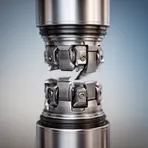
Separate from something by breaking or dropping
 82
5.3
82
5.3
To stop being part of or connected to something
 35
2.5
35
2.5
To take something off where it hangs, like a coat or necklace
 28
2.8
28
2.8
To make a piece come away from something by hitting or bending it
 24
4.8
24
4.8
To pull something out with force
 15
6.1
15
6.1
To force something or someone out of a place where they are stuck
 8
3.9
8
3.9
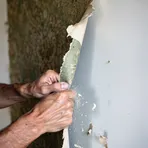
To force yourself free from a place or person
 6
4.5
6
4.5
To pull something off quickly with force
 5
5.3
5
5.3
To disconnect two things that are joined, often machine parts
 4
6.7
4
6.7
Disconnect parts that were joined so they work independently
 2
3.0
2
3.0
To become loose and separate from something
 2
3.5
2
3.5
To come off a larger thing, often because of force or damage
 1
6.1
1
6.1
To separate something from what it is connected to
 1
7.4
1
7.4
Separate things that are attached to each other


 1
5.8
1
5.8
To become loose and move away from a surface
Antonyms
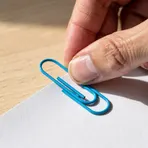
How Separated
16
4.0
 88
1.0
88
1.0
Surface Forms
Morphology
Etymology
Detach comes from the Latin parts de- ('away') and tangere ('to touch'), so it gives the sense of 'coming away' or losing its hold. Think of something that no longer keeps its touch and falls off, which is why we use detach when things come apart or separate by themselves.