

to fall off
 117
2.3
117
2.3

- phrasal verb
- /fɔl ɔf/
- If you keep this on until it falls off by itself, something good will happen.
- leaves fall off
Loading YouTube…
Watch on YouTubeThey living off the crumbs that fall off your plate in real life.
- They living off the crumbs that fall off your plate in real life.
- And I don't know, the remote fell off the bed, right?
- The tail wing fell off detached from the aircraft.
- Like creeps will collect girls hairs that, like, fall off and make hair dolls out of them.
- They found paint spots on the watch that fell off of the attacker.
Examples
-
Harry grabs his stomach and falls off the bed to the floor.
Fiction book (1994) -
Ultimately, these dead skin cells fall off, usually one by one for healthy skin.
-
But even if it's round, you can still fall off the edge.
Fiction book (1993) -
Look at that snow fall off that branch there.
-
Wheels don't simply fall off.
-
My arm fell off.
-
The biblical account states that the wheels fell off the pursuing chariots.
Academic text (2004) -
It fell off.
-
The cat lost its grip and fell off the windowsill.
-
During the rough ride, several passengers fell off their seats.
Synonyms
 481
2.9
481
2.9
To move apart or stop being together
 161
3.5
161
3.5
To separate something so it is no longer joined, for example remove a cable or turn off power
 131
3.5
131
3.5
To become loose and fall off
 82
5.3
82
5.3
To stop being part of or connected to something
 53
3.5
53
3.5
To come out and drop from where it grew or was held
 39
5.6
39
5.6
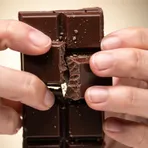
To become detached and carried away by a strong force
 28
2.8
28
2.8
To make a piece come away from something by hitting or bending it
 16
4.0
16
4.0
To come apart from something it is connected to
 9
3.5
9
3.5
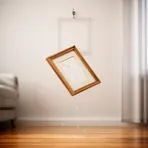
To break a piece from something with a quick, sharp movement
 3
2.9
3
2.9
To fall from where it is fixed or held
 2
3.0
2
3.0
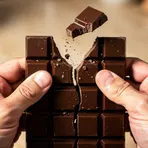
To become loose and separate from something
 2
3.5
2
3.5
To come off a larger thing, often because of force or damage
 1
6.1
1
6.1
To separate something from what it is connected to


 1
5.8
1
5.8
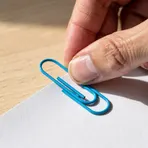
To become loose and move away from a surface
Antonyms

How Attached

Surface Forms
Morphology
The meaning 'to lose one's balance and drop down from something' is directly derivable from combining 'fall' (to drop from higher to lower) with 'off' (away from a surface). This motion verb + particle composition follows standard, cross-linguistically common patterns, so a B1 learner who knows the constituents will readily understand it.
Etymology
Fall off shows a thing that falls away and comes off what held it, like a sticker peeling from a bottle. So it means 'become detached'.