
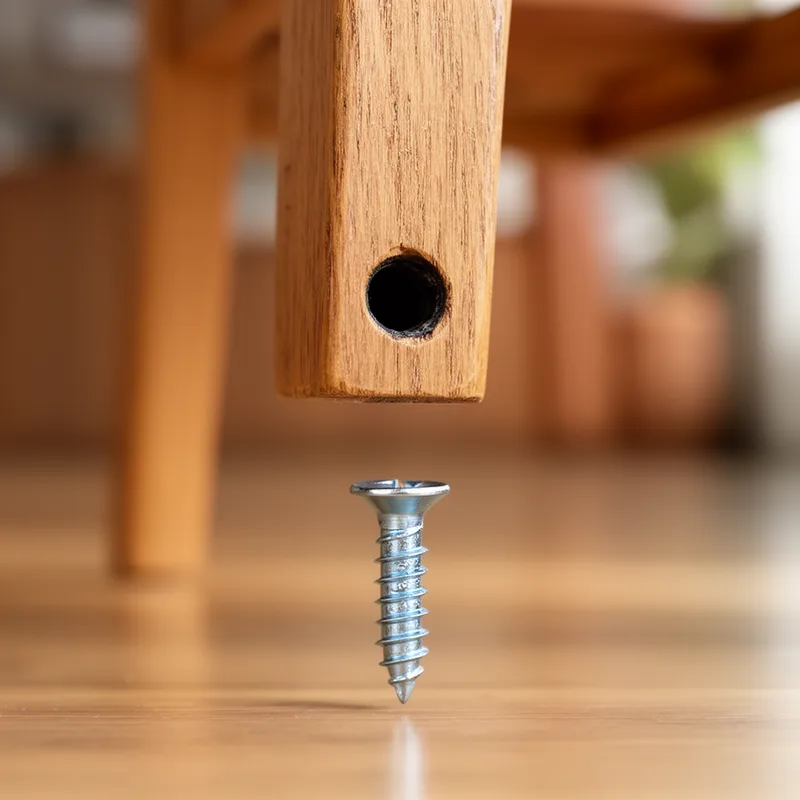
to fall out
 53
3.5
53
3.5

- phrasal verb
- /fɔl aʊt/
- Your hair falls out or something like that.
- hair falls out
Loading YouTube…
Watch on YouTubeShe says my phone fell out of my pants.
- She says my phone fell out of my pants.
- Also they don't like fall out of the case.
- OK, any stress will make your hair fall out.
- His teeth were falling out of his skull last week.
- Oh, this just fell out of the entire pan.
Examples
-
After months of treatment, he noticed that his hair started to fall out in clumps.
-
If my tooth falls out, it's OK Bronwyn, I'm not scared.
-
And it made all your hair fall out?
-
Come on, before the rest of his hair falls out.
-
Hair gets Gray, gets white, falls out, you lose it, right?
-
You know it's like teeth, when one falls out, another moves in.
-
Her short hair was thinner and had fallen out in places.
Fiction book (2000) -
Then the root had finally rotted, and the tooth fell out of her mouth.
Fiction book (1992) -
As she got older, she experienced a lot of changes, including her hair beginning to fall out.
-
When the child lost his first tooth, he was excited to see it fall out and put it under his pillow.
Synonyms
 117
2.3
117
2.3
Separate from something by breaking or dropping
 38
2.0
38
2.0
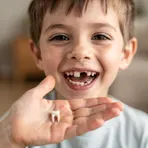
To become loose and fall out, for example hair or teeth

To fall off a plant naturally, like leaves or fruit
Antonyms
How Secure

Surface Forms
Morphology
The literal meanings of 'fall' (to move downward or happen) and 'out' (away/outside) give a clue of movement away from a group, so a learner could infer a general sense of leaving. However, the specific military usage 'leave formation/on order' is a specialized, conventionalized command and phrasal verbs with 'out' are variable in meaning, so the exact sense is not fully predictable without exposure.
Etymology
Fall out can mean 'to drop from where it grew or was fixed' and comes from the simple picture of something loose, like hair or a tooth, that falls out of its place. So it means 'to become detached and drop'.