
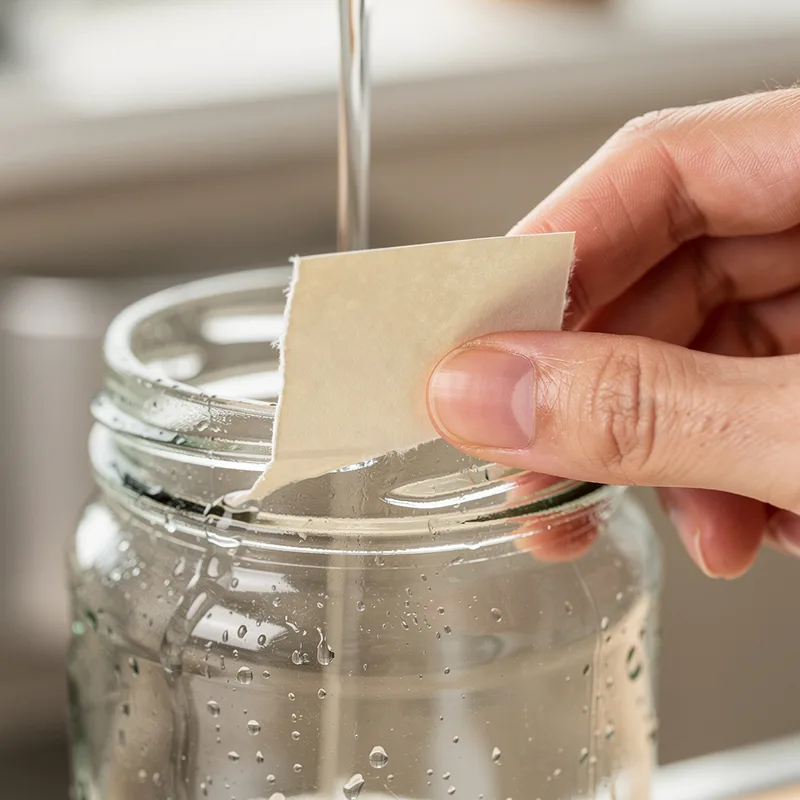
to unstick
 1
3.9
1
3.9

- verb
- /ʌnˈstɪk/
- Of course, to unstick the gnomes from the pie filling.
Loading YouTube…
Watch on YouTubeSo it drops weight and it's the most beautiful way to get a person to unstick any kind of weight loss resistance.
- So it drops weight and it's the most beautiful way to get a person to unstick any kind of weight loss resistance.
Examples
-
My preferred technique forever has been to go get a grocery paper bag and unstick it at its seams and use it as the piece of paper.
-
He managed to unstick the drawer after it had been stuck for days.
-
We'll see the rest of this weekend can unstick and then we can just remove the support material and that comes away fairly easily.
-
So it drops weight and it's the most beautiful way to get a person to unstick any kind of weight loss resistance.
-
So it drops weight and it's the most beautiful way to get a person to unstick any kind of weight loss resistance.
-
One of the customers had to reach up and help me unstick the zipper.
-
His name tag unsticks from his suspenders and flutters to the floor.
Fiction book (1999) -
Unstick them, Trish!
-
Rose and I unpack everything but the clothing, which has to wait until the dresser drawers unstick.
Fiction book (1990) -
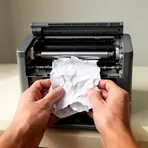
An easy way to repair the jammed printer is to unstick the paper from the rollers.
Synonyms
 ∞
1.8
∞
1.8
To let someone or something go free from being held
 ∞
1.4
∞
1.4
To stop holding something or someone so they are free
 356
1.9
356
1.9
To stop holding something so it is not in your hand
 131
3.5
131
3.5
To become loose and fall off
 91
1.0
91
1.0
Make a knot or lace loose by undoing it
 82
5.3
82
5.3
To stop being part of or connected to something
 35
2.5
35
2.5
To take something off where it hangs, like a coat or necklace
 22
7.6
22
7.6
Free a person or thing from something that traps them
 18
8.6
18
8.6
Let go of someone or something you are holding
 16
4.0
16
4.0
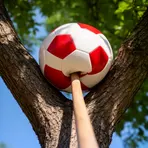
To come apart from something it is connected to
 15
6.1
15
6.1
To force something or someone out of a place where they are stuck
 13
3.8
13
3.8
Set something free from being held or controlled
 12
4.9
12
4.9
To free someone from a difficult or confusing situation
 6
4.1
6
4.1
Remove chains and other things that hold someone so they are free
 5
3.4
5
3.4
To open something by undoing a button or zipper
 5
6.5
5
6.5
Free someone or something from limits and control
 4
5.7
4
5.7
To take off something that is attached to another thing, like a trailer or bicycle
 3
6.4
3
6.4
To free something by untying ropes or cords
 3
5.6
3
5.6
To open something held closed by a small metal catch or let go of something you were holding
 1
5.3
1
5.3
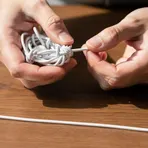
To free something twisted and knotted, like a cord
 1
6.6
1
6.6
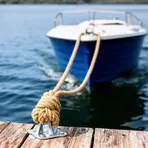
To release something that is tied or fastened so it can move away
 1
6.1
1
6.1
To separate something from what it is connected to
 1
7.0
1
7.0
To make something less tight or set something free
 1
5.4
1
5.4
Take something out of the mold after it becomes firm
 1
8.3
1
8.3
To release a boat or ship from its ropes so it can move

 1
5.8
1
5.8
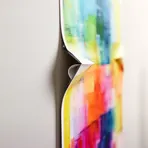
To become loose and move away from a surface
 1
4.2
1
4.2
To free something that is stuck so it can move or work again
 1
7.4
1
7.4
To free something that is stuck by removing what blocks it so it can move again
 1
3.5
1
3.5
To remove something that is stuck with glue
 1
5.1
1
5.1
To loosen or remove a clamp that holds something
 1
6.7
1
6.7
To free something by letting go of ties or limits

Release a window or panel from a fixed position so it can move
To remove a peg that holds something like a tent

To pull small nails or pins out of something
Take something off a wall or surface
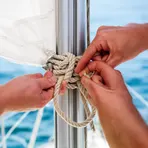
To make something less tight or free it from something holding it

To remove a block so water or air can flow again

To pull out a nail or stake pushed into something
Antonyms

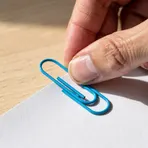
How Free

Surface Forms
Morphology
Etymology
Unstick comes from the beginning un- meaning 'not' and the common word stick meaning 'to attach'. So to unstick something is to make it free after it was stuck or attached.