to unloosen

to unloosen

7.2
To make something less tight or free it from something holding it
  • verb
  • /ʌnˈluːsən/
  • Archaic
translation icon : aflojar
  • He carefully unloosened the straps of the backpack to reach for his water bottle.

Examples

  • I not only put my head under the guillotine; I've unloosened my collar and tie, so that they can chop it off.

  • The old woman's hair was unloosened, and a few strands had fallen across her husband's face.

    Fiction book (2000)
  • She unloosens it from her ponytail as she asks, and crystal blonde waves fall around her shoulders.

    Blog text (10)
  • After a long day, she unloosened her tight shoes and sighed with relief.

  • The teacher decided to unloosen the rules for the game to make it more fun.

Synonyms

to release
vsto unloosen
1.8

To let someone or something go free from being held

also applies to making things less tight or easing strict rules
to free
vsto unloosen
337 1.0

To release someone or something that is held

focuses more on reducing tightness or easing strict control
to liberate
vsto unloosen
104 4.3

Set someone free from prison or unfair control

is stronger and often implies ending severe oppression rather than easing tightness
to untie
vsto unloosen
91 1.0

Make a knot or lace loose by undoing it

focuses on making things less tight or removing restraint beyond knots
to loosen
vsto unloosen
88 1.0

Make something less tight so it can move or open

also implies removing strict limits or easing control beyond physical tightness
to relax
vsto unloosen
78 1.0

To make or become less tight

is broader, covering easing mental strictness or general restraint as well
to loose
vsto unloosen
30 3.0

To let something go free or make it less tight

is often used more generally, not only for physical tightness
to uncuff
vsto unloosen
  • Jargon
17 8.0

To remove handcuffs from someone's wrists

is focused on a specific physical restraint type rather than general loosening
to unchain
vsto unloosen
6 4.1

Remove chains and other things that hold someone so they are free

is similar but often implies more forceful or formal removal of restraints
to unwind
vsto unloosen
5 3.7

Make a wrapped or twisted thing loose and straight

is not only for coils but also for easing strictness or restraint
to unfasten
vsto unloosen
5 3.4

To open something by undoing a button or zipper

is not limited to undoing knots but covers general easing of tight connections
to unshackle
vsto unloosen
5 6.5

Free someone or something from limits and control

is stronger, often used for removing major restrictions or harsh control
to unbind
vsto unloosen
3 6.4

To free something by untying ropes or cords

is broader and also covers easing strict rules rather than only physical ties
to unclasp
vsto unloosen
3 5.6

To open something held closed by a small metal catch or let go of something you were holding

is the general idea of making something less tight or less held
to unlace
vsto unloosen
3 3.8

To untie strings that close shoes or clothing

is broader and also applies to easing strict rules or removing restraints
to untwist
vsto unloosen
2 3.7

To make something that is twisted become straight
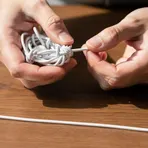
is broader covering both untwisting and letting go from tight control
to disentangle
vsto unloosen
1 5.3

To free something twisted and knotted, like a cord

is focused on removing twists or catches rather than easing strict rules
to slacken
vsto unloosen
1 5.5

Become or make less tight, like a rope

is similar but often used for gradual reduction rather than sudden removal
to unstick
vsto unloosen
1 3.9

To come away from something it was stuck to

focuses on detaching surfaces or objects rather than easing tightness or strict control
to unloose
vsto unloosen
  • Archaic
1 7.0

To make something less tight or set something free

is the broader term that also covers easing strict rules or control
to untether
vsto unloosen
1 6.6

To release something that is tied or fastened so it can move away

is narrower, mainly about detaching ties rather than easing strict rules
to unattach
vsto unloosen
1 6.1

To separate something from what it is connected to

is mainly about separation rather than easing tension or removing strict rules
to unconstrain
vsto unloosen
1 7.4

To take away rules or limits so it can work more freely
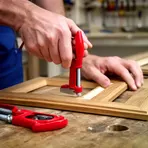
is broader and used for abstract or formal removal of limits, not only physical
to unclamp
vsto unloosen
  • Specialized
1 5.1

To loosen or remove a clamp that holds something

focuses on reducing tightness or removing restraint in general situations
to unknot
vsto unloosen
1 5.1

To make a tied rope or string loose so it comes apart

is similar but also covers non-knotted tightness or strict control
to cast loose
vsto unloosen
1 6.7

To free something by letting go of ties or limits

is mainly physical allowing movement rather than the subtler easing of strictness
to unjam
vsto unloosen
1 4.2

To free something that is stuck so it can move or work again

is about clearing temporary blocks rather than easing long-term restraints or strictness
to unwedge
vsto unloosen
1 7.4

To free something that is stuck by removing what blocks it so it can move again
is specific to removing solid obstructions rather than general making less tight
to unsew
vsto unloosen
8.4

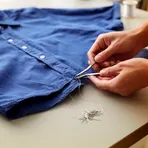
To remove stitches from cloth or clothing

is narrower, mainly about undoing stitches not general restraint removal
to uncramp
vsto unloosen
5.6

To free a part of your body from a tight painful position

is similar but also applies to easing strict rules or control beyond tight positions
to unbend
vsto unloosen
6.0

Make a rope or line less tight

is used more for relaxing tension than for removing restrictive rules
to unlax
vsto unloosen
  • Archaic
9.9

To make the body or mind less tense

is a rare or old form compared with the general idea of making less tight
to unloose grip
vsto unloosen
6.7

Let go of something you are holding, physically or emotionally

is more focused on reducing tightness in holding rather than allowing movement
to ungrip
vsto unloosen
6.8

To let go of something you hold tightly

is broader and also covers making things less tight or easing strictness
to unrein
vsto unloosen
9.9

To take the reins or other ties off something so it can move

is specific to removing guidance or control rather than addressing physical tightness
to derestrict
vsto unloosen
8.6

To remove limits from something so people can use it freely

is similar but often more formal and used for policy or access changes
to unchoke
vsto unloosen
6.7

To remove a block so water or air can flow again

is used mainly for flow problems rather than general easing of tightness or rules
to unsnap
vsto unloosen
4.6

Release a window or panel from a fixed position so it can move

is very specific to snapped or locked positions, not general making less tight

Antonyms

145 1.5

To make something hold firmly, like a bolt or belt

86 4.6

Hold a person or thing so it cannot move freely

How Loose

to release
1.8
to untie
91 1.0
to unloosen
  • Archaic
7.2
to loosen
88 1.0

Surface Forms

unloosen infinitive
unloosing present participle
unlooses third person singular
unloosed past
unloosed past participle

Morphology

unloosen = loosen (transparent) = un + loosen

Formed by productive prefix 'un-' added to the verb 'loosen', yielding the expected meaning 'make less tight' or 'release'.

Etymology

Unloosen comes from the prefix un- meaning 'reverse or remove' and the verb loosen, from the common word loose meaning 'not tight'. So to unloosen something is to release it or make it less tight, for example a knot, a chain, or a strict rule.