
to slacken
 1
5.5
1
5.5

- verb
- /ˈslækən/
- The grip slackens a bit.
- slackened its grip
- jaw slackened
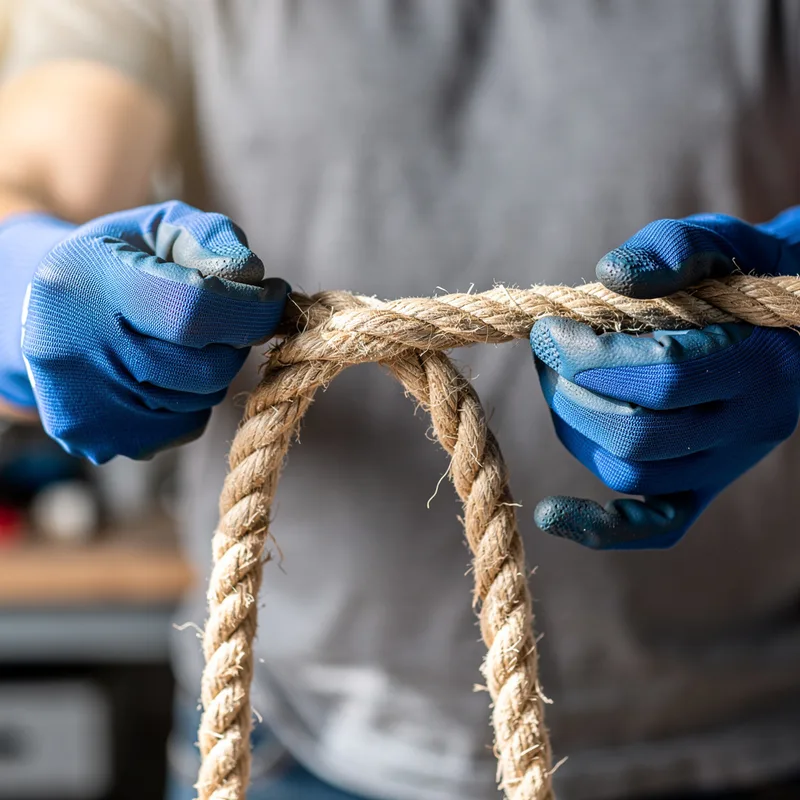
- slackened the rope
Examples
-
Joe and Sarah slackened their pace a little.
Fiction book (1993) -
Morgan slackened the reins and gave Boots his head.
Fiction book (1994) -
So I presume I need to slacken off that spring a bit.
-
She saw the fear in my eyes and slackened the pressure of her fingers on my chin.
Fiction book (1998) -
Slackened by sleep, his upturned face was oddly childlike, almost touching.
Fiction book (1998) -
The old man's face relaxed, its muscles slackening into a beatific grin, as if he'd only just discovered that he'd left something far behind and was amused.
Fiction book (2001) -
The teacher instructed the students to slacken their grip on the ropes during the exercise.
-
After the race, the athlete decided to slacken his shoelaces for comfort.
-
Remember to slacken the straps on your backpack when you take it off.
Synonyms
 88
1.0
88
1.0
Make something less tight so it can move or open
 78
1.0
78
1.0
To make or become less tight
 57
3.7
57
3.7
To make something less strong or strict
 31
3.4
31
3.4
To relax and become less nervous or tense
 30
3.0
30
3.0
To let something go free or make it less tight
 2
4.1
2
4.1
To make a rope, cable, or line less tight
 1
7.3
1
7.3
To become less strong or less tight
 1
7.0
1
7.0
To make something less tight or set something free
To make something less tight or free it from something holding it

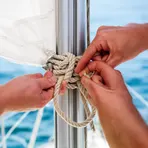
Make a rope or line less tight

To free a part of your body from a tight painful position

To make muscles feel less tight or stiff
Antonyms

Phrasal Verbs

How Tight

Surface Forms
Morphology
Etymology
Slacken comes from the common English word slack ('loose') plus the ending -en, which means 'to make'. So, to slacken something is to 'make it loose' or 'make it less tight'.