

to unsew
- verb
- /ʌnˈsoʊ/
- After realizing the stitching was uneven, he had to unsew it and redo it carefully.
Examples
-
It takes a lot of time to sew stuff together, and it's actually hard to unsew things, and then it's really time consuming again to sew them back together.
-
The tailor suggested that I unsew the patches so he could fix the fabric underneath.
-
I unsewed each, lengthened and tapered the front panel.
Blog text (17) -
She decided to unsew the hem of her dress to make it longer.
Synonyms

 38
4.3
38
4.3

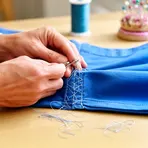
To come apart into threads, like a rope or cloth

 1
6.4
1
6.4
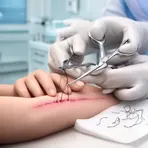
To remove stitches from fabric by taking out the thread
 1
6.3
1
6.3
To pull out the thread used to join pieces of cloth or close a cut

To take thread out of a needle, cloth, or hole
Antonyms
 242
1.0
242
1.0
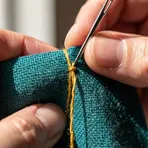
Join, fix and make clothes and other things made of cloth using a needle and thread or a machine
How Undone

Surface Forms
Morphology
Etymology
Unsew is made of the prefix un- meaning 'reverse' and the verb sew meaning 'to stitch', so it literally means to 'undo the sewing' — to remove stitches and open what was sewn.