to undrive

to undrive

9.9
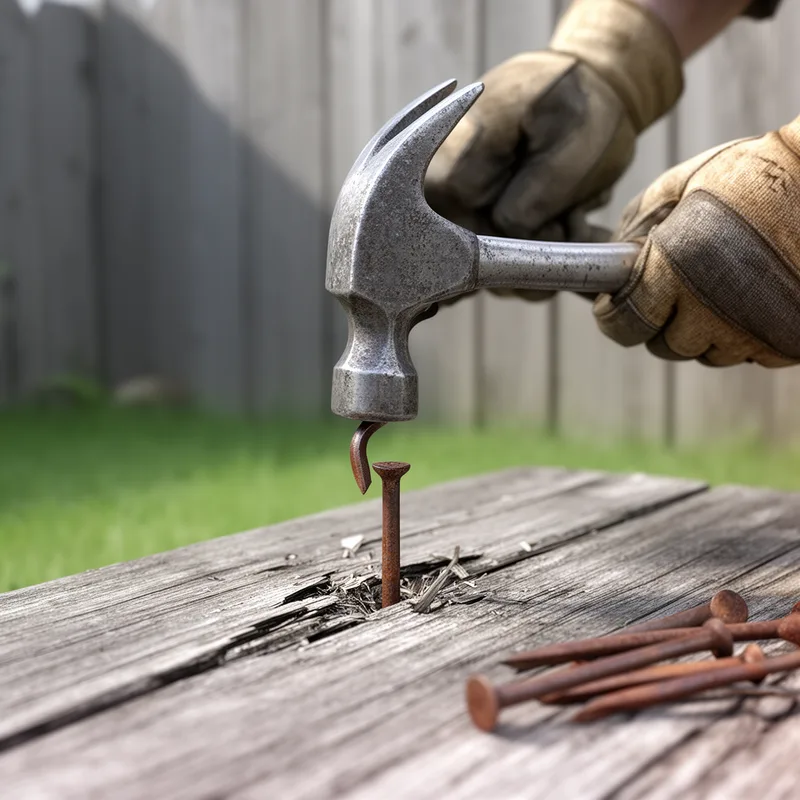
To pull out a nail or stake pushed into something
  • verb
  • /ˌʌnˈdraɪv/
translation icon : desclavar
  • They had to undrive the old nails before repairing the wooden fence.

Examples

  • The workers used a special tool to undrive the metal stakes from the ground.

  • Can you undrive this nail for me?

  • To recycle the wood, she carefully undrove each screw from the planks.

  • He will undrive the stake from the ground.

  • They had to undrive the old nails before repairing the wooden fence.

  • The workers used a special tool to undrive the metal stakes from the ground.

  • Can you undrive this nail for me?

Synonyms

to remove
vsto undrive
1.5

To move something or someone away from a place

is specifically about pulling out objects that were driven into material
to pull out
vsto undrive
523 2.7

To take something out of a place, often with effort

is specifically about pulling out items that were driven into material
to pull up
vsto undrive
111 3.2

To take something out, often with effort, for example weeds or hidden facts

applies narrowly to pulling out items that were driven into a surface
to pull off
vsto undrive
41 2.7

To take something off from where it is attached
involves pulling out objects that have been driven into a material
to lift
vsto undrive
25 1.0

To take something off a surface carefully

is specifically about extracting objects that were driven into another material
to retract
vsto undrive
25 5.6

To pull something back so it is no longer sticking out

is about removing objects pushed into material, not retracting extensions
to tear out
vsto undrive
24 4.8

To pull something out with force

is about careful extraction of items that have been driven into material
to dislodge
vsto undrive
15 6.1

To force something or someone out of a place where they are stuck

is limited to pulling out things that were driven into a surface
to draw away
vsto undrive
7 3.7

To pull something away from where it is, for example a bandage or curtain

refers specifically to extracting objects that were driven into a surface
to force out
vsto undrive
6 4.2

To push something out with effort or pressure

focuses on pulling out items that were driven in rather than pushing out
to unfasten
vsto undrive
5 3.4

To open something by undoing a button or zipper

involves pulling out an item that was driven into another material
to lift out
vsto undrive
5 2.7

To take something out by picking it up, often carefully or with a tool
involves pulling out items that were driven into material rather than lifting gently
to unpin
vsto undrive
1 4.1

To take a pin out so something is no longer attached
involves extracting items that were driven into another material
to winkle
vsto undrive
1 9.6

To make something come out with effort, for example a hidden object or a secret
specifically means pulling out items that were driven into material rather than general dislodging
to unpeg
vsto undrive
6.1

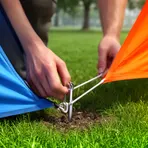
To remove a peg that holds something like a tent

is about pulling out objects that were driven into material by force
to untack
vsto undrive
8.4

To pull small nails or pins out of something
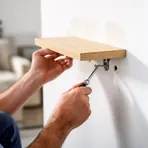
focuses on extracting items pushed or driven into a surface
to unfix
vsto undrive
6.8

Take something off a wall or surface

is about extracting objects specifically pushed or driven into a surface
to unroot
vsto undrive
5.9

Pull something completely out of the ground by its roots

involves extracting driven in items, not necessarily removing roots or foundations

Antonyms

208 3.5

To put something inside something else

How Fastened

to fasten
68 1.6
to drive in
7 4.0
to loosen
88 1.0
to undrive
9.9

Surface Forms

undrive infinitive
undriving present participle
undrives third person singular
undrove past
undriven past participle

Morphology

undrive = drive (transparent) = un + drive

The prefix 'un-' transparently indicates reversal of the action 'drive' (here: to reverse driving something into place), so learners can infer 'remove what was driven in'.

Etymology

Undrive in the sense of removing something is also un- + drive, and drive can mean 'to push in' as when you drive a nail. A helpful way to remember this is to imagine pulling a nail back out after it was driven in; to undrive it is to remove what was pushed into the wood.