

to pull up
 111
3.2
111
3.2

- phrasal verb
- /pʊl ʌp/
- She asked him to pull up the sales report for the last quarter.
Loading YouTube…
Watch on YouTubeOK, well let's go ahead and pull up a few screenshots here.
- OK, well let's go ahead and pull up a few screenshots here.
- But on your raft, you can only pull up one person.
- So let's pull up the spreadsheet here.
- I'd say, let me pull up my statistics on this.
- All right, Let me see if I can pull up a few more here.
- Yeah, OK, Pull up this clip from our last episode.
- Let me let me pull up this and then we'll go to.
- But I have to pull this up because this example is so nuts.
- Second feature, let me see if I can pull this up by well.
- So we're going to pull all this stuff up here and see what we got.
Examples
-
OK, let's go ahead and pull up the support dot Google page here.
-
Pull up the passenger list.
-
No, I want to pull this up so that we read it.
-
All right, Let me see if I can pull up a few more here.
-
So I was trying to access it, pull up the records, and make him face it.
Fiction book (1991) -
Now it says here pull up the battery.
-
We did pull up a list of all the injuries.
-
You want me to pull this up, turn on my laptop.
-
I'd say, let me pull up my statistics on this.
-
Why don't you just pull up a stool and have a drink with us?
Synonyms
 ∞
1.0
∞
1.0
To move something toward you using force, often to remove it
 948
1.9
948
1.9
To remove something from a place or container
 523
2.7
523
2.7
To take something out of a place, often with effort
 270
1.0
270
1.0
Pull something out of a place or container
 166
3.9
166
3.9
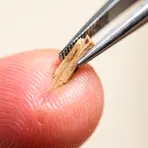
To remove something from somewhere, often by effort, or to get information
 77
3.5
77
3.5
To pull something out quickly with the fingers
 68
4.4
68
4.4
To pull something out quickly and with force, often to remove it completely
 41
2.7
41
2.7
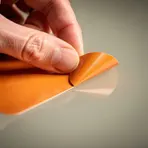
To take something off from where it is attached
 25
1.0
25
1.0
To take something off a surface carefully
 24
4.8
24
4.8
To pull something out with force
 18
3.8
18
3.8
Remove something from where it is, for example a nail or a secret
 16
4.5
16
4.5
Pull something out of a place by using air to draw it in
 12
3.0
12
3.0
To pull something off quickly until it rips
 9
4.3
9
4.3
Pull things away one at a time
 7
3.7
7
3.7
To pull something away from where it is, for example a bandage or curtain
 6
4.2
6
4.2
To push something out with effort or pressure
 5
2.7
5
2.7
To take something out by picking it up, often carefully or with a tool
 3
3.9
3
3.9
To pull clothes or covers out from where they are tucked in


 1
4.2
1
4.2
To pull something away carefully, for example a bandage or tablecloth

To pull out a nail or stake pushed into something
Antonyms


How Complete

Surface Forms
Morphology
The meaning 'to remove or extract something' is directly derivable from combining 'pull' (to exert force) with 'up' (indicating upward motion); the image of pulling something up out of the ground is literal and compositional. Although the phrasal verb has other senses (e.g., stopping a vehicle), the removal sense is transparent and cross-linguistically common, so a B1 learner who knows both constituents should understand it.
Etymology
Pull up comes from the simple image of pulling something out with force, like pulling weeds or a tooth until it comes up from the ground. That's why it means 'to remove or take out', and by extension to bring out hidden information.