

to take out
 948
1.9
948
1.9

- phrasal verb
- /teɪk aʊt/
- She needed to take out the trash before leaving the house.
- take out the garbage
- take out of context
- take out the book
Loading YouTube…
Watch on YouTubeYou know, don't let anybody take the art out of your vocation.
- You know, don't let anybody take the art out of your vocation.
- Now suppose I mutilate the board by taking out two tiles.
- It's about time to take trash out at my car wash.
- And just so we let it sit, I'm gonna take out the pins.
- And when people hunt, they take out crucial elements.
- But yeah, that's why that's what I took it out, right.
- But yeah, you like, you take out some plants.
Examples
-
Time to take out the trash.
-
Uh, you can take out the garbage.
-
And so we're used to taking out bad guys.
-
OK, So what we do is we take out our zero.
-
John, would you take this out, please?
-
If it must be removed, is it easy to take out and put in again?
Academic text (1996) -
We can always take out this constant term.
-
One day I was sitting at home, my mother asked me to take the garbage out.
-
What I want to do today is take out these floorboards.
-
So I'll just reach in here and gently take out the old CPU like that.
Synonyms
 ∞
1.0
∞
1.0
To move something toward you using force, often to remove it
 ∞
1.0
∞
1.0
Take something out of a container like a box or cupboard
 ∞
1.5
∞
1.5
To move something or someone away from a place
 ∞
3.0
∞
3.0
To free someone from something harmful or unwanted
 ∞
1.6
∞
1.6
To remove or throw away something you do not want
 795
2.3
795
2.3
To remove something from a place or reduce something important, for example a right
 523
2.7
523
2.7
To take something out of a place, often with effort
 502
3.4
502
3.4
Remove or kill something completely so it is gone
 338
3.0
338
3.0
To keep someone or something out so they are not part of something
 312
2.3
312
2.3
To not include someone or something
 270
1.0
270
1.0
Pull something out of a place or container
 189
4.2
189
4.2
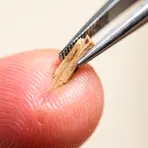
Destroy something so nothing is left
 166
3.9
166
3.9
To remove something from somewhere, often by effort, or to get information
 159
3.5
159
3.5
To take money or things out of a place where they are kept
 136
3.2
136
3.2
To remove something unwanted from a place
 117
1.0
117
1.0
To take things out of a suitcase or box
 111
3.2
111
3.2
To take something out, often with effort, for example weeds or hidden facts
 88
3.7
88
3.7
Remove something so it is no longer used
 77
3.2
77
3.2
To remove a shape from paper or cloth using scissors
 68
4.4
68
4.4
To pull something out quickly and with force, often to remove it completely
 66
3.4
66
3.4
Leave out something, for example a name, on purpose or by accident
 49
6.3
49
6.3
To remove unwanted substances, things, or people by cleaning
 46
3.0
46
3.0
To remove something that is fixed or standing, for example stage equipment
 37
3.8
37
3.8
To remove unwanted people or things from a group
 36
2.8
36
2.8
To make someone or something leave a place
 32
4.2
32
4.2
Force someone to leave a place
 27
4.0
27
4.0
Remove an outside layer or covering from something to show what is under it
 24
4.8
24
4.8
To pull something out with force
 18
3.8
18
3.8
Remove something from where it is, for example a nail or a secret
 17
4.6
17
4.6
To take a short part from a longer text, song, or film
 15
6.1
15
6.1
To force something or someone out of a place where they are stuck
 14
7.2
14
7.2
To cut out part of a body or text
 13
4.2
13
4.2
To stop something completely using strong action
 12
4.4
12
4.4
Not include someone or something in a list
 10
1.8
10
1.8
To take things away from a place to make it tidy
 10
3.6
10
3.6
Remove people completely from a place or group because they are unwanted
 9
4.3
9
4.3
To check and remove people or things that are not wanted
 7
3.7
7
3.7
Remove one part from a mixture using a filter or another method
 5
5.0
5
5.0
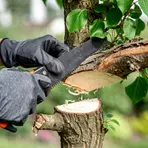
To take out what is inside a container so it becomes empty
 5
3.4
5
3.4
To remove a part from something with a knife or tool
 3
4.8
3
4.8
To get rid of something you do not want or need
 1
4.9
1
4.9
To take liquid from a container by pouring or draining for testing
 1
6.1
1
6.1
To separate something from what it is connected to


 1
5.0
1
5.0
To force someone to leave a place usually because they cause trouble

To take something out of the place or situation where it first came from
Antonyms

How Thorough

Surface Forms
Morphology
The literal sense of 'take' (remove/bring) + 'out' (away from home) naturally suggests bringing someone to a place, so learners who know both words can infer an invitation to go somewhere. However, the conventionalized pragmatic sense that this specifically implies a romantic date or social courting is not fully predictable from the parts, making the expression only partially transparent.
Etymology
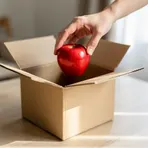
Take out comes from the simple image of when you take a cup out of a box, picking it up and moving it outside the box. So it means 'to remove' something from a place.