
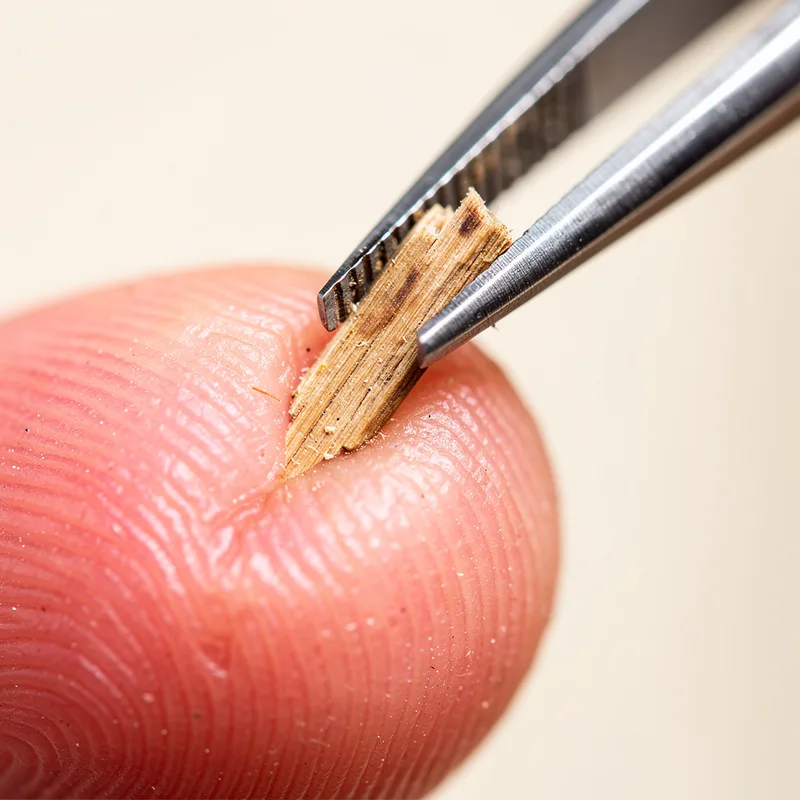
to extract
 166
3.9
166
3.9

- verb
- /ɪkˈstrækt/
- Scientists have developed new techniques to extract DNA from ancient bones.
- extract information
- extract data
- extract meaning
Loading YouTube…
Watch on YouTubeAnd sometimes you have to extract the truth from people.
- And sometimes you have to extract the truth from people.
- Because that way you're training yourself to extract meaning right now.
- We can use these machine learning algorithms that extract knowledge from the black box.
- Our bodies are not well designed to extract nutrients from plants.
- Now supposedly they're extracting lithium out of Afghanistan.
- I think there is so much meaning to be extracted from what happens.
- But so they get to work extracting these two tents worth of cocaine.
- So and you can't extract the private key from this device.
Examples
-
And sometimes you have to extract the truth from people.
-
Because that way you're training yourself to extract meaning right now.
-
So now what we're going to do is start to extract what these things mean.
-
And we will just extract all these files.
-
Our bodies are not well designed to extract nutrients from plants.
-
We can use these machine learning algorithms that extract knowledge from the black box.
-
We're gonna do everything we can to extract this tumor from you.
-
We want to extract the semantics behind this.
-
They are able to extract huge amounts of revenue from it.
-
Data from the relevant studies were extracted by the author using a preprepared form.
Academic text (2015)
Synonyms
 ∞
1.0
∞
1.0
To move something toward you using force, often to remove it
 948
1.9
948
1.9
To remove something from a place or container
 523
2.7
523
2.7
To take something out of a place, often with effort
 111
3.2
111
3.2
To take something out, often with effort, for example weeds or hidden facts
 68
4.4
68
4.4
To pull something out quickly and with force, often to remove it completely
 40
5.3
40
5.3
To get an answer or other reaction from someone by asking
 24
4.8
24
4.8
To pull something out with force
 18
3.8
18
3.8
Remove something from where it is, for example a nail or a secret
 14
7.2
14
7.2
To cut out part of a body or text
 7
3.7
7
3.7
Remove one part from a mixture using a filter or another method
 5
2.7
5
2.7
To take something out by picking it up, often carefully or with a tool

To bring out something hidden or not clear
Antonyms


Phrasal Verbs


Compounds
 9
2.3
9
2.3
A liquid made by soaking vanilla beans in alcohol to add flavor to food and drinks




- Specialized
A flavoring made from the kola nut used to give soft drinks their taste

- Specialized
An ingredient made from yeast cells that adds a savory taste

How Forceful

Surface Forms
Morphology
extract = ex + tract
Although historically analyzable as ex- plus a bound root meaning 'draw', modern learners cannot reliably infer 'remove' or 'obtain' from the parts because there is no accessible English base word.
Etymology
Extract comes from old Latin parts ex- 'out' and trahere 'to pull'. To extract something is to pull it out, often with effort, like taking out a splinter or getting evidence, and this is the same 'pulling' idea you see in tractor.