
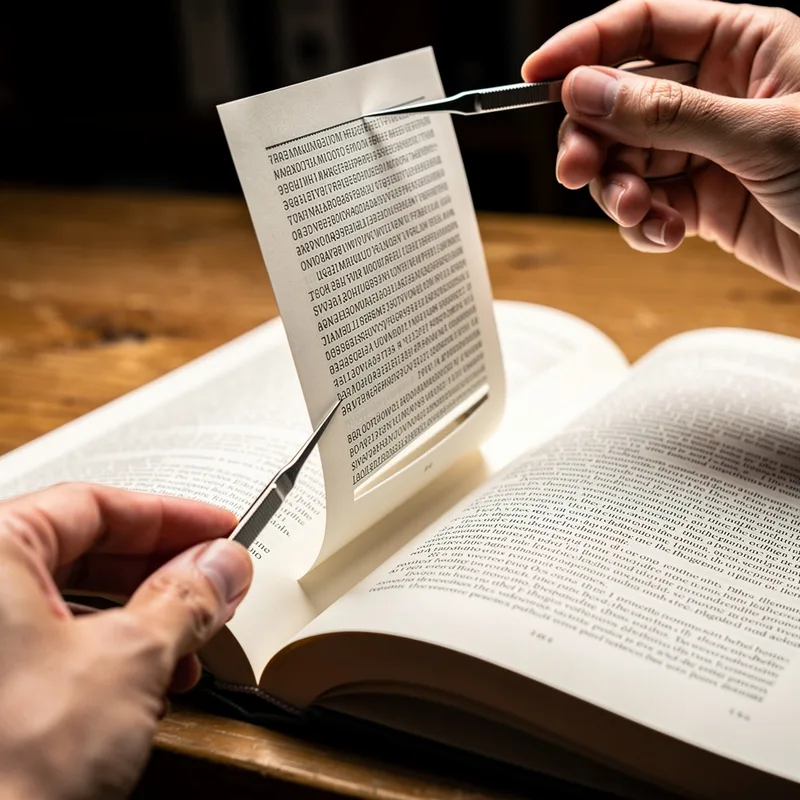
to extract
 26
3.7
26
3.7

- verb
- /ɪkˈstrækt/
- In his book, the author decided to extract a few key quotes to illustrate his main arguments.
Loading YouTube…
Watch on YouTubeIn the case of Holvox, it's very difficult to extract a chapter.
- In the case of Holvox, it's very difficult to extract a chapter.
- No, you leave the book there, but now you've extracted from it.
Examples
-
During the lecture, the teacher showed us how to extract information from various academic articles.
-
The researcher had to extract relevant passages from the historical text for her analysis.
-
So my job was to extract those stories from her.
-
So you extract in June, extract in November, right?
-
The role of a fine director is to be able to extract these performances.
-
So, what moral may we extract from all of this?
-
First to extract a set sum from him wins.
-
So trying to extract psychology from texts.
-
The laser digitizing system was used to extract CAD/CAM geometry directly from the clay model.
Academic text (1995) -
To enhance reliability, two extensively trained coders independently extracted all data from each report.
Academic text (2011)
Synonyms
 948
1.9
948
1.9
To remove something from a place or container
 17
4.6
17
4.6
To take a short part from a longer text, song, or film
Antonyms


Phrasal Verbs


Compounds
 9
2.3
9
2.3
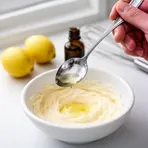
A liquid made by soaking vanilla beans in alcohol to add flavor to food and drinks



- Specialized
A flavoring made from the kola nut used to give soft drinks their taste

- Specialized
An ingredient made from yeast cells that adds a savory taste

How Much

Surface Forms
Morphology
extract = ex + tract
The sense 'take out a passage or main points' is historically related to 'draw out', but the word is not transparently decomposable for average learners because 'tract' is not a usable English base.
Etymology
Extract comes from old Latin parts ex- 'out' and trahere 'to pull'. To extract a passage is to pull it out from a book to quote or copy, which is the same 'pulling out' sense you can see in tractor.