
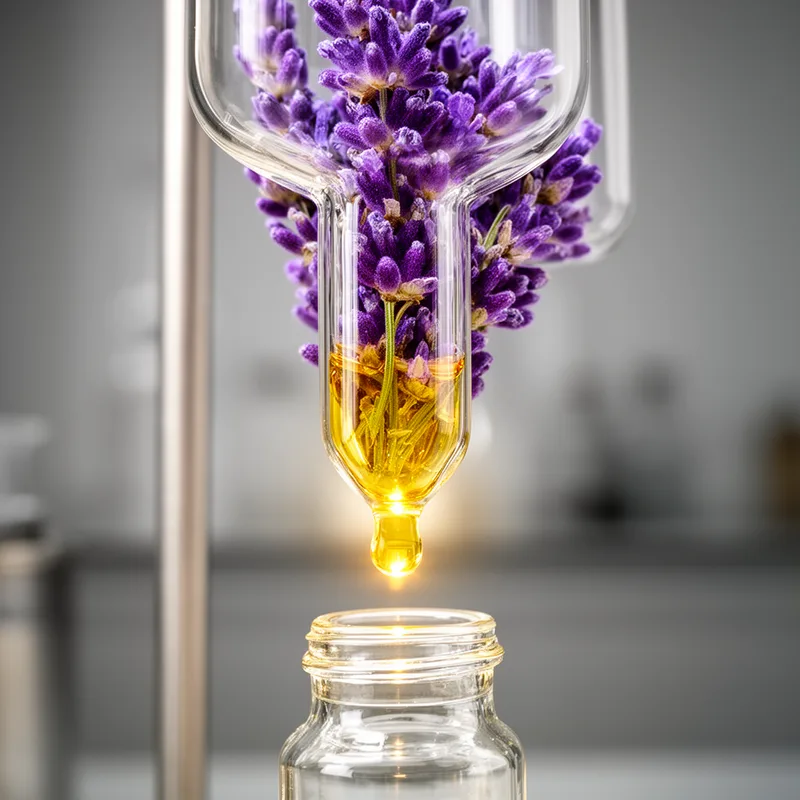
to extract
 70
4.1
70
4.1

- verb
- /ɪkˈstrækt/
- Specialized
- The scientist had to extract the DNA from the samples using a special chemical process.
- extract oil
- extract gas
- extract minerals
Loading YouTube…
Watch on YouTubeThey then use that to extract red yeast rice extract from that.
- They then use that to extract red yeast rice extract from that.
- Like you can pump air through giant filters and extract the carbon dioxide.
- And the more gold we can reuse, the less we have to extract from the ground.
- OK Mood offers federally legal forms of THC extracted from hemp plants.
- I use it to extract the essence out of, you know, herbs and flowers.
- One of my favorites is Rishi Rishi tea, a dual extracted Rishi tea.
- We have extracted bile from her stomach that's not supposed to be there.
- Now it actually says it will extract blackheads without pain, squeezing or damage to the skin.
Examples
-
They extract it from the sand by steaming and heating water, basically boiling it...
-
Simple machine learning algorithms, such as discriminant analysis, will enable us to extract features from data.
Academic text (2011) -
If I go right click on that, I can extract it because it's a zip file.
-
These plants that process or extract petroleum products are really far away.
-
Once dried, we are able to extract from its stomach what is needed.
-
And the more gold we can reuse, the less we have to extract from the ground.
-
We, we can, you know, extract amplified DNA.
-
Academic performance was extracted from school records at the end of each grade.
Academic text (2013) -
She came here hoping to extract healing properties from the spiders.
-
Unconventional gas is technically difficult to recover, but once extracted, it is identical to conventional natural gas.
Academic text (2011)
Synonyms
 114
6.2
114
6.2
To get a pure substance from other material for study
 87
4.4
87
4.4
Get something from a person or thing
 34
5.0
34
5.0
Push out a substance, for example gas from a body or container
 12
7.6
12
7.6
To force liquid out of something by squeezing it
 11
5.2
11
5.2
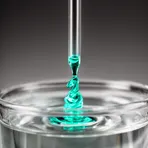
Make a liquid pure by heating it and collecting the cooled steam
 7
3.7
7
3.7
Remove one part from a mixture using a filter or another method
 4
3.2
4
3.2
To press something to get liquid out
 1
4.1
1
4.1
To get liquid from something by squeezing it
 1
9.8
1
9.8
To separate a mixture into parts using a scientific or industrial method
 1
8.1
1
8.1
To remove the soft part inside bones for food
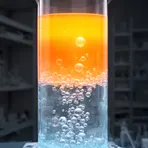
To separate a part from a solid material when it cools or conditions change
Antonyms

Phrasal Verbs

Compounds
 9
2.3
9
2.3
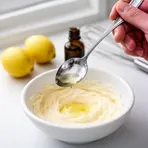
A liquid made by soaking vanilla beans in alcohol to add flavor to food and drinks



- Specialized
A flavoring made from the kola nut used to give soft drinks their taste

- Specialized
An ingredient made from yeast cells that adds a savory taste

How Concentrated
- Specialized
114
6.2

- Specialized
11
5.2
83
4.4
- Specialized
70
4.1
8
3.5
Surface Forms
Morphology
extract = ex + tract
This sense continues the historical idea of 'draw out', but for most learners the meaning is not recoverable from ex- and the bound root 'tract' as modern English morphemes.
Etymology
Extract comes from old Latin parts ex- 'out' and trahere 'to pull'. In science, to extract a substance is to pull out the useful part from a plant or mixture by a special process, the same basic idea as the word tractor which pulls things.