
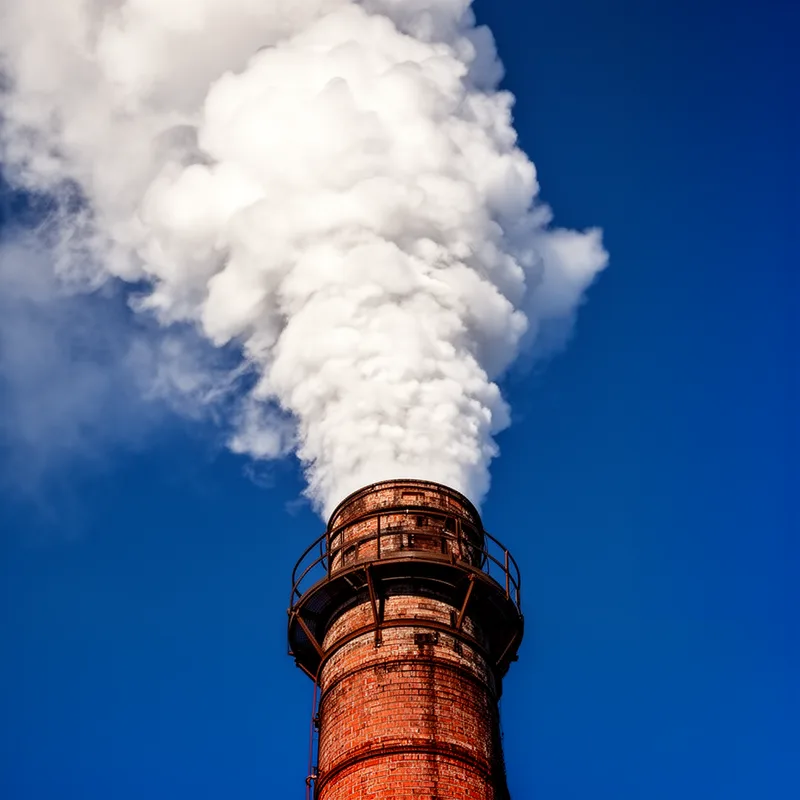
to expel
 26
5.0

- verb
- /ɪkˈspɛl/
- Wait a few seconds to ensure complete sample flow, then press the plunger to the second stop to expel any remaining liquid.
- expel gas
- expel into the air
- expel from the body
Loading YouTube…
Watch on YouTubeWell, I couldn't expel the carbon dioxide and breathe it out.
- Well, I couldn't expel the carbon dioxide and breathe it out.
- Your lungs want to expel it out right through your breath like when you exhale.
- And it also tells you that were you to exhale a lot more or a lot more vigorously, you would expel more carbon dioxide.
- He was an inventor and he invented this device that expelled water so he could go to the bottom of the ocean and turn it on.
- And it's so fast that it draws in more and more air, huge amounts of air and expels at very high speed.
- It's to spit to expel, to get rid of, right?
- And if your head is to the side, then it's easier to expel them.
- My brain wanted to keep going, but my, my nuts were just ready to really, you know, expel themselves.
- If, if it worked, if you could ingest someone's feces and then and then expel your feces into someone else's mouth, you don't need food.
Examples
-
Gamay drew air deep into her lungs and let it out, expelling the dirt and dust.
Fiction book (1999) -
One major mode of transmission is through these droplets that are expelled when people sneeze or cough.
-
White holes expel matter out.
-
They're supposed to expel dust from the system, which is a cool idea.
-
Your lungs want to expel it out right through your breath like when you exhale.
-
When someone with influenza coughs or sneezes, virus is expelled in droplet form.
Academic text (2012) -
The valves are designed to expel gas when the pressure is too high.
-
He pressed the nozzle to expel the remaining contents of the canister.
-
The plant expels excess water through its leaves to maintain balance.
Synonyms
 168
2.7
To allow a liquid, gas, or energy to flow out
 117
4.5
Pull something out of a place by using air to draw it in
 90
2.3
To push food or drink out of your mouth
 62
6.3
To remove unwanted substances, things, or people by cleaning
 59
4.5
Force unwanted people or things out of a place, often using water
 39
3.2
To remove liquid with a pump or make many things quickly
 25
3.2
To press something to get liquid out
 24
4.1
Push a liquid or other substance out of something
 22
4.2
To push something out with effort or pressure
 19
5.9
To force out large amounts of something like smoke or words
 17
4.4
To let waste or a small object leave the body
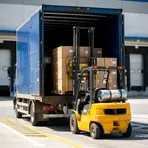 12
4.4
Take people or things out of a vehicle by unloading
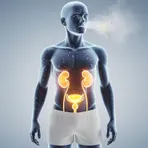 10
7.0
To remove waste from the body through urine, sweat or breath
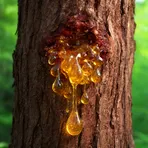 3
6.5
Give off liquid slowly, often in drops
 2
6.9
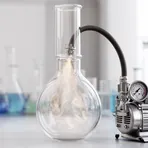
To remove air or gas from a container to make a vacuum
 2
4.1
To get liquid from something by squeezing it
 2
5.8
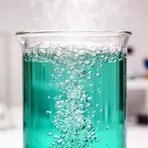
Release a gas or energy during a chemical reaction
 2
4.3
Remove waste or harmful substances from the body
 1
4.8
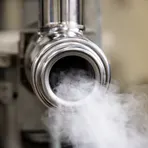
To remove gas or steam from a machine
 1
7.9
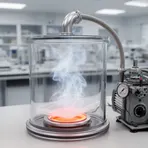
To release gas from a material when it is heated or in a vacuum


 1
9.1
To come out freely, as a liquid, gas, or light
Antonyms


How Strong

Surface Forms
Morphology
expel = ex + pel
The sense 'force out (a substance)' aligns with ex- (out) + pel (drive), but 'pel' is not a standalone English word, so the morphological relation is only partially transparent to learners.
Etymology
Expel comes from the Latin parts ex- 'out' and pellere 'to drive', the same root found in propel. So to expel a substance is to 'drive out' or push a gas or liquid out of a body or container.