
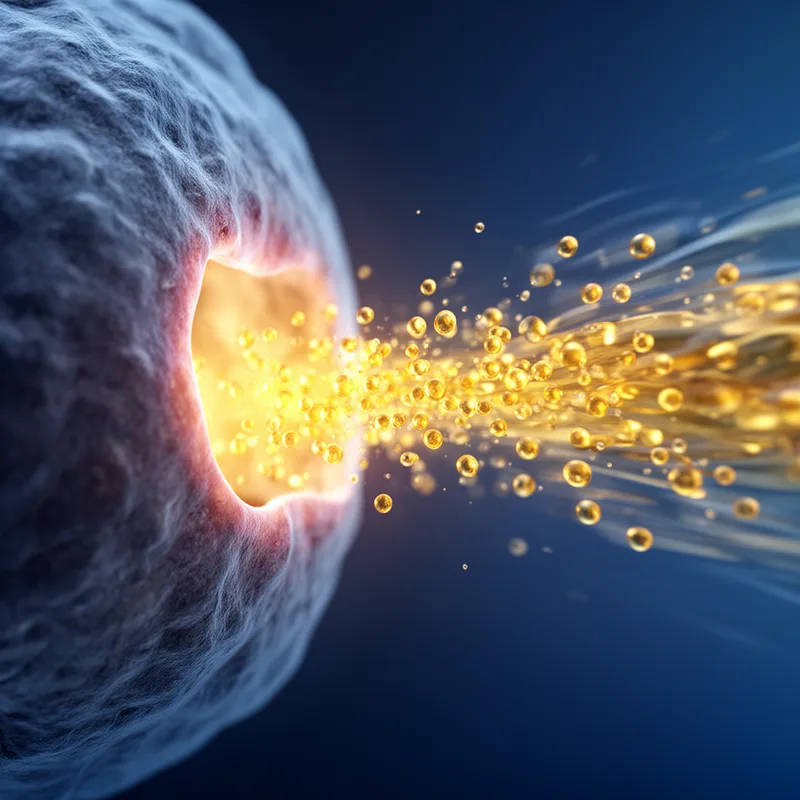
to release
 446
2.7
446
2.7

- verb
- /rɪˈliːs/
- The technician will release the steam from the valve slowly to avoid an explosion.
- release carbon dioxide
- release carbon
- release gas
Loading YouTube…
Watch on YouTubeLet us feel each of these muscles release tension and just sink.
- Let us feel each of these muscles release tension and just sink.
- And it's going to, you're going to be releasing oxytocin.
- And hoovering would release the painful tension that you feel.
- And their job is to release a substance called GLP one.
- And so leptin when it gets released makes us just say I'm good.
- Something comes, you release it, more of it comes.
- So some of them don't even they don't even release during sex.
- There is something that you're trying to release, release what's on the mind.
- But the best part about it is it releases this ever loving FOOM.
Examples
-
The drug is held in microspheres and slowly released to prolong its activity.
Academic text (2012) -
They start to eat protein and they start to release ammonia.
-
So they might still just release them into the United States.
-
Something comes, you release it, more of it comes.
-
Then gently allow yourself to release it and let it go.
-
Upon contact with the receiver, the bacteria release the DNA message to the destination.
Academic text (2011) -
Fire is a natural disturbance process in many forest systems that releases carbon back to the atmosphere.
Academic text (2011) -
A report on the findings of those analyses was released recently by the partnership.
Academic text (1999) -
You bite into a pastry, the sugar melts in your mouth, releasing dopamine.
-
Once it has melted, permafrost may release large amounts of mercury hidden in frozen soils and plants.
Academic text (2012)
Synonyms
 344
1.1
344
1.1
Allow someone or something to leave a place
 201
4.3
201
4.3
To suddenly let a strong feeling, power, or animal go free
 198
1.0
198
1.0
To let liquid flow away from something
 34
5.0
34
5.0
Push out a substance, for example gas from a body or container
 20
4.1
20
4.1
Push a liquid or other substance out of something
 13
3.8
13
3.8
Set something free from being held or controlled
 12
4.4
12
4.4
Take people or things out of a vehicle by unloading
 10
4.8
10
4.8
To remove gas or steam from a machine
 10
6.9
10
6.9
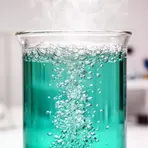
Make and release a chemical like a hormone into the body
 8
5.8
8
5.8
Release a gas or energy during a chemical reaction
 4
6.5
4
6.5
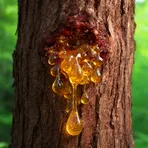
Give off liquid slowly, often in drops
 2
7.5
2
7.5
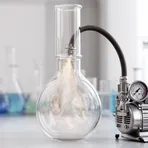
To release gas or energy during a chemical reaction
 1
6.9
1
6.9
To remove air or gas from a container to make a vacuum
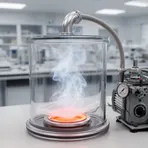
To release gas from a material when it is heated or in a vacuum
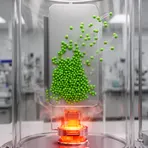
To come off a surface after something sticks to it, for example a gas or tiny particle
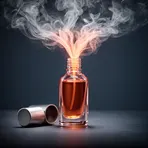
To come out freely, as a liquid, gas, or light
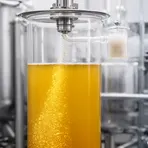
Remove air or gas from a liquid
Antonyms

Idioms




Phrasal Verbs

Compounds



- Literature
Announcing official decisions to the public by press release before any internal discussion
How Much

Surface Forms
Morphology
Etymology
Release comes from the parts re- 'back' and the French verb laisser 'to let'. This gives the simple idea of 'letting out', so to release a gas or hormone is to let it go into the air or body.