
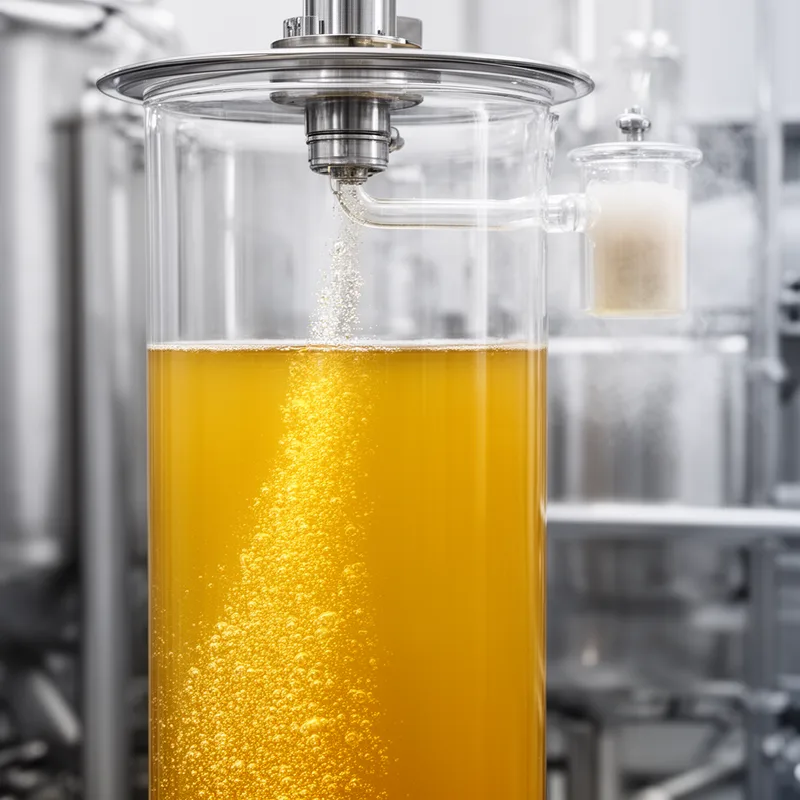
to deaerate
- verb
- /diˈɛəreɪt/
- Specialized
- Before canning the fruit, it is important to deaerate the syrup to prevent spoilage.
Examples
-
The technician deaerated the solution to ensure accurate measurement.
-
The bitumen froth is then collected and deaerated.
Academic text (1998) -
To improve the quality of the sample, we must deaerate the liquid thoroughly.
Synonyms

 49
6.3
49
6.3

To remove unwanted substances, things, or people by cleaning
 1
6.9
1
6.9
To remove air or gas from a container to make a vacuum


 1
7.9
1
7.9
To remove gas from a liquid or solid, often by heating
To remove air or gas from liquids and foods to stop them going bad
To remove gas from a liquid or material
Antonyms
How Gas-Free

Surface Forms
Morphology
deaerate = aerate (transparent) = de + aer + ate
If a learner knows 'aerate', adding 'de-' straightforwardly gives the meaning 'remove air from'.
Etymology
Deaerate comes from de- meaning 'remove' and aerate, which comes from aer meaning 'air', as in aerial. So, to deaerate is to take the air out of a liquid or substance to stop damage or a bad taste.