
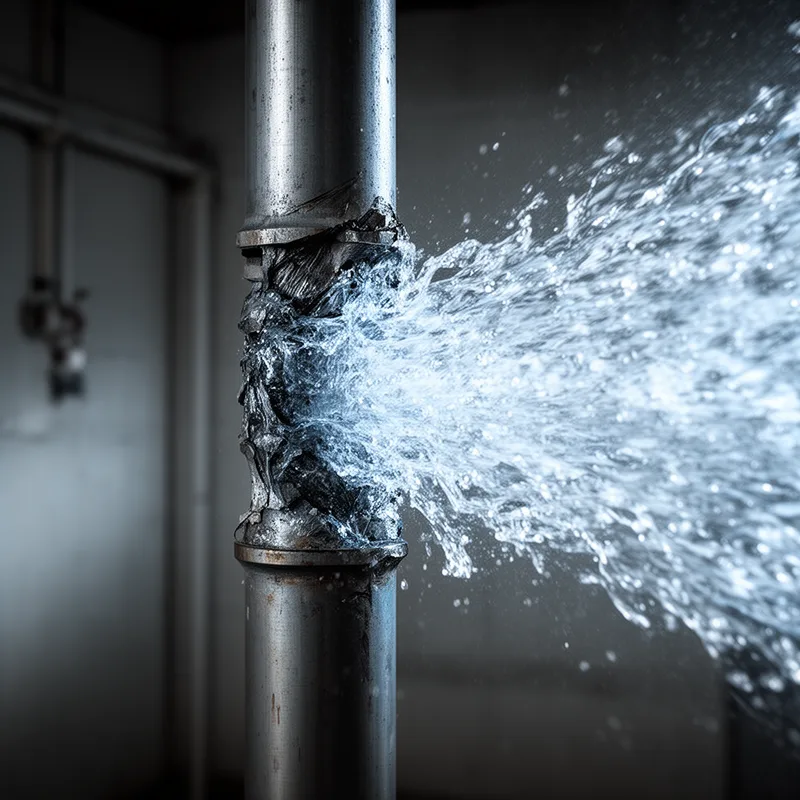
to gush
 26
3.2
26
3.2

- verb
- /ɡʌʃ/
- As the bottle cap was removed, soda exploded and gushed out, spraying everyone around.
- water gushed
- blood gushed
Loading YouTube…
Watch on YouTubeSo that means that blood has to gush into those muscles.
- So that means that blood has to gush into those muscles.
- We don't gush too much water while we put them on.
Examples
-
At the height of Versailles, twenty to thirty perfume fountains were gushing rosewater at night.
Fiction book (1990) -
There was a crack, and blood gushed from DeSam's nostrils like a crimson fountain.
Fiction book (1994) -
So that means that blood has to gush into those muscles.
-
Gushing oil, money, gold, it might gush some gold for you next.
-
When she hit his back with her hands, water gushed from his mouth.
Fiction book (1992) -
It's being fed by water that gushes down the rocky Cliff on the right.
-
In the low air pressure, blood gushed out of his hand and splashed the window.
Fiction book (1993) -
When I came downstairs, blood was gushing out of her forearm.
Academic text (2009) -
Water began to gush from the broken pipe, flooding the street with debris.
-
After the heavy rain, the river started to gush over its banks, causing concern for nearby residents.
Synonyms
 42
1.8
42
1.8
Suddenly let out strong feelings or sounds
 22
2.9
22
2.9
Make liquid flow out of a container
 16
2.9
16
2.9
Move or pour out in a steady stream, often a liquid
 9
3.7
9
3.7
To flow out quickly and forcefully in a strong stream
 7
3.1
7
3.1
To come out suddenly in a strong stream
 3
3.0
3
3.0
To come out in a narrow strong stream of liquid or gas
 1
8.6
1
8.6
To pour out a large amount of something suddenly in a strong stream
 1
7.8
1
7.8
To pour out quickly in a strong stream


 1
7.6
1
7.6
Flow quickly and strongly down a surface like water after heavy rain

Flowing out quickly and in large amounts
To force liquid out quickly in a narrow stream, like blood or water

To send out a sudden thin stream of liquid

To come out in a thin fast stream, like water from a bottle

Falling in a heavy, steady flow like strong rain

To burst out suddenly and forcefully like a fountain

A liquid that moves quickly in large amounts, like heavy rain

To flow out in large amounts, like tears or blood
Antonyms

Phrasal Verbs


How Forceful

Surface Forms
Etymology
Gush as a verb came from the same sound idea of liquid bursting out, so to gush is to 'flow' or pour out very quickly and with force.