

to pour out
 22
2.9
22
2.9

- phrasal verb
- /pɔr aʊt/
- With nervous hands, Sidney's mother poured out a glass of water for Jackson.
- blood poured out
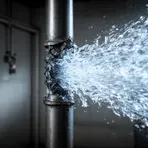
- water pouring out
Loading YouTube…
Watch on YouTubeYou know, I'm seeing my blood just pouring out on the deck.
- You know, I'm seeing my blood just pouring out on the deck.
- But what's left after we pour out, you know, after it's been distilled, the residue doesn't smell great, I bet.
Examples
-
Hogg untied the purse he had been given and poured out a handful of shining coins.
Fiction book (1993) -
So you could pour out only the correct proportion of the active ingredient.
-
In fact, it poured out like water in a stream.
-
A bell rings, and students pour out into the halls by the hundreds.
Fiction book (1995) -
I retired to the sideboard and started to pour out the coffee.
Fiction book (1990) -
A bottle of hand lotion had been poured out on the floor.
Fiction book (1992) -
The machine rattles and a rich, intense aroma pours out along with dark coffee into two large white cups.
Fiction book (1994) -
Somewhere a cicada rattled, and the moon, cresting the trees, poured out its ghostly light.
Fiction book (1999) -
She opened the container and poured out the juice into glasses for the children.
-
During the storm, rainwater poured out of the gutters onto the street.
Synonyms
 588
1.0
588
1.0
To make liquid flow in a steady stream from a container
 198
1.0
198
1.0
To let liquid flow away from something
 102
5.1
102
5.1
To send out large amounts of something suddenly, like water or smoke
 55
1.7
55
1.7
To flow out in large amounts, like liquid or tears
 28
1.3
28
1.3
Water or other liquid flows out of a container by accident
 26
3.2
26
3.2
To flow out suddenly and forcefully, like blood from a wound
 16
2.9
16
2.9
Move or pour out in a steady stream, often a liquid
 15
5.9
15
5.9
To force out large amounts of something like smoke or words
 9
3.7
9
3.7
To flow out quickly and forcefully in a strong stream
 1
8.6
1
8.6
To pour out a large amount of something suddenly in a strong stream


 1
7.6
1
7.6
Flow quickly and strongly down a surface like water after heavy rain

To pour a liquid or other thing out of a container

To come out freely, as a liquid, gas, or light

To flow out in large amounts, like tears or blood
Antonyms

How Much

Surface Forms
Morphology
The meaning 'to flow or cause to flow out' is directly compositional from 'pour' (make a liquid flow) + 'out' (away from the interior), so the sense follows standard motion/egress semantics. This verb + particle pattern is cross-linguistically common and predictable, so a B1 learner who knows the constituents would readily infer the MWE meaning.
Etymology
Pour out comes from the simple action of tipping a bottle or cup so the liquid runs out; to pour something out is to let it flow away from a container. So, it means 'to flow out in a large quantity', especially of a liquid.