

to absorb
 217
3.0
217
3.0

- verb
- /əbˈzɔrb/
- Velvet was a fabric of choice because of its ability to absorb light and give off a cool quality.
- absorb water
- absorb light
- absorb energy
Loading YouTube…
Watch on YouTubeIt's to learn, it's to absorb, to be a sponge, right?
- It's to learn, it's to absorb, to be a sponge, right?
- But those molecules will still absorb some of that light.
- I love it because it absorbs so well.
- And finally, they help digest and absorb nutrients.
- You're getting a lot of nice nutrients, you know, absorbing into your skin.
- But through the gut you can't absorb it orally.
- I speak English because I observed and absorbed the language my parents spoke.
- And so you can absorb the calcium a lot better.
- It's meant to help you to digest and absorb fat in your diet.
Examples
-
And the icing did absorb most of the smoke.
-
We do know, however, that information is best absorbed when we have a problem to solve.
Academic text (1991) -
So does this material or the sun absorb light easier?
-
But those molecules will still absorb some of that light.
-
So you can absorb some of these rays and save that heat for winter.
-
And finally, they help digest and absorb nutrients.
-
Because children are more impressionable than adults, children absorb foreign cultures as parts of their own emerging culture.
Academic text (2008) -
We end up by the river, its crimson waters absorbing light rather than reflecting it.
Academic text (2008) -
Phytoplankton contain chlorophyll, which absorbs light in the blue and red.
Academic text (2011) -
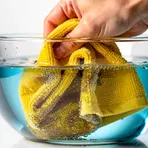
The sponge can absorb water quickly and efficiently during cleaning.
Synonyms
 337
1.0
337
1.0
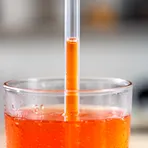
To pull liquid into the mouth, for example with a straw
 256
3.0
256
3.0
Get information or lessons from a source
 149
2.4
149
2.4
To eat or drink something
 141
1.0
141
1.0
Make something very wet by putting it into water or other liquid
 68
3.6
68
3.6
To eat or drink something so it goes into your body
 45
4.5
45
4.5
To think about new information until you understand it
 37
3.2
37
3.2
Understand new information or ideas
 22
5.5
22
5.5
Take in and understand new ideas or information
 22
4.3
22
4.3
To take in liquid or information
 16
3.9
16
3.9
To take in and enjoy the atmosphere or information
 9
7.4
9
7.4
Drink alcohol or absorb ideas and knowledge
 7
5.1
7
5.1
To look at or listen to something with full attention and enjoy it
 7
3.2
7
3.2
To soak up liquid or learn and keep new information
 1
4.0
1
4.0
To take in new information quickly and easily


 1
3.7
1
3.7
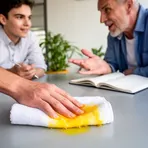
To take liquid from a surface using something like a cloth

Slowly and without noticing, people get ideas or habits from others
To take in liquid or things like information and feelings
Antonyms


How Absorbent

Surface Forms
Etymology
Absorb comes from the Latin parts ad- 'to' and sorbere 'to suck in', so imagine a sponge sucking up water. So to absorb something is to take it in, whether it is liquid, light, or information.