
to draw out
 18
3.8
18
3.8

- phrasal verb
- /drɔː aʊt/
- All right, OK, So what do I want to draw out as lessons here?
- draw out blood
- draw out moisture
- draw out salt
Loading YouTube…
Watch on YouTubeAnd then from that each person draws out money.
- And then from that each person draws out money.
- Because some really fundamental ideas are being drawn out in there.
- That's the narcissism part talking about which draws that out.
- And there is a domestic violence shelter there with a booth that also drew out some people from their community.
- I know people have gone on that course and day one they've drawn all the kit out, put it on everything.
- We've played Shark Tank, Snake oil things where we draw things out of a cup.
Examples
-
Eric inserts the needle into his vein and draws out a little blood.
Fiction book (1994) -
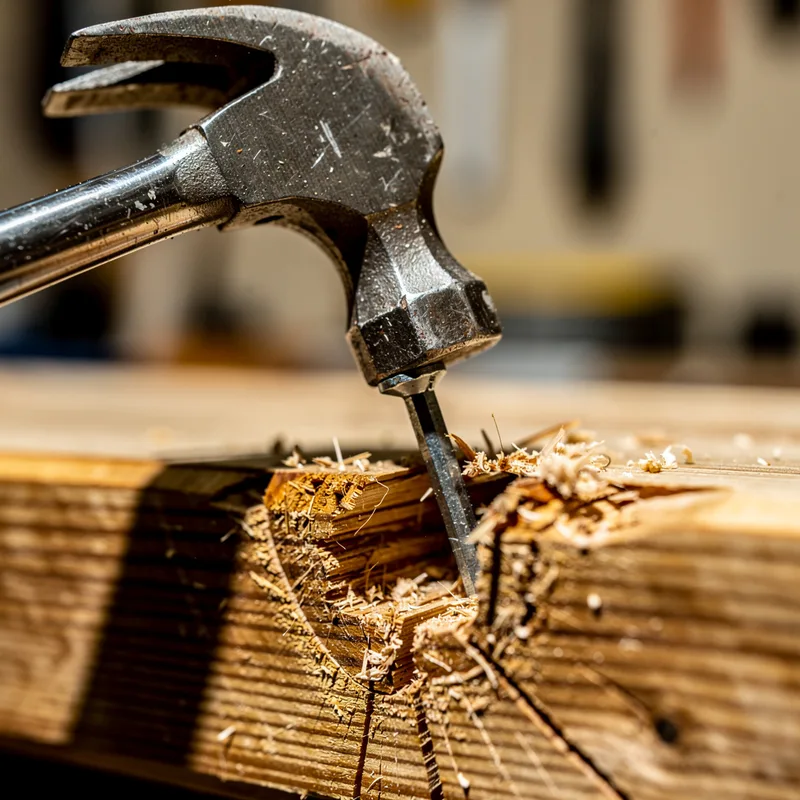
The same tool we use to pound the nails in, we also use to draw the nails out.
-
I can draw him out.
-
I should make it easy for her, say something to draw her out.
Fiction book (1992) -
And it was just my task to draw him out and and have fun with him.
-
She's drawn out her money, closed her account, and left no address.
-
I can't draw money out of thin air, Daniel.
-
Then she reached into her tunic and drew out the leather bag that hung about her neck.
Fiction book (1992) -
I reached into the seam pocket of my dress and drew out the two stones I'd placed there.
Fiction book (1990) -
To make the soup richer, you should draw out the flavors by simmering it slowly.
Synonyms
 ∞
1.0
∞
1.0
To move something toward you using force, often to remove it
 948
1.9
948
1.9
To remove something from a place or container
 523
2.7
523
2.7
To take something out of a place, often with effort
 166
3.9
166
3.9
To remove something from somewhere, often by effort, or to get information
 111
3.2
111
3.2
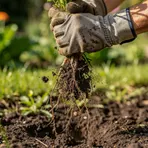
To take something out, often with effort, for example weeds or hidden facts
 77
3.2
77
3.2
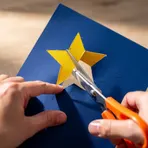
To remove a shape from paper or cloth using scissors
 61
1.6
61
1.6
Take something out of a cupboard or closet
 40
5.3
40
5.3
To get an answer or other reaction from someone by asking
 16
4.5
16
4.5
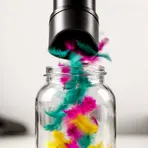
Pull something out of a place by using air to draw it in
 14
7.2
14
7.2
To cut out part of a body or text
 2
7.2
2
7.2
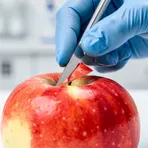
To remove fluid from the body using a syringe or suction


 1
4.2
1
4.2
To pull something away carefully, for example a bandage or tablecloth

To bring out something hidden or not clear
Antonyms


How Thorough

Surface Forms
Morphology
The sense 'to make something last longer' is a metaphorical extension of the spatial idea of 'drawing/pulling out' in time, so a learner who knows 'draw' (pull) and 'out' (outward) can often infer a prolonging meaning. However the mapping is figurative and the verb also has related senses (e.g. 'to elicit'), so the exact meaning and usage are not fully predictable without exposure.
Etymology
Draw out originally comes from draw meaning to pull and out meaning away; imagine pulling a nail from a wall or drawing water from a well, and you are taking something out. That's why it means 'to remove or extract' something.