

to draw off
 1
4.9
1
4.9

- phrasal verb
- /drɔː ɔf/
- The winner was Bares Tripper (Sky Mesa - Bare Dancer by Cherokee Run), who showed speed from the start and drew off in the stretch to win by 6 1/4 lengths.
Examples
-
Under Rosie Napravnik, Magical Moon opened a daylight advantage only to have Spring in the Air surge past inside the sixteenth pole and draw off.
Blog text (14) -
She would have to draw off enough milk to soften them so Clara could latch on, suck, and be fed.
Fiction book (1999) -
Where have you drawn off all of foul liquid and meat?
-
Now our heat was being tapped and drawn off?
Fiction book (1991) -
They're waiting for another tanker to draw off the oil and a large wrecker.
Fiction book (1991) -
He drew off a short length of tape from the roll and cut it, sticking one end lightly to the side of his thigh while he opened the packet with the cotton.
Fiction book (1991) -
Miss Lucky Sevens (Big Brown - Fancy Clancy by Rahy) drew off in the stretch in the 9th race at Arlington Park to finish 4 lengths in front of the field.
Blog text (9) -
And that's because plaster is porous, so it'll draw the moisture out of the latex and that'll help the latex to dry in the mould.
-
To make syrup, the farmer will draw off the sap from the maple trees carefully using a spout.
-
During the experiment, scientists will draw off a sample of liquid from the beaker for analysis.
Synonyms
 948
1.9
948
1.9
To remove something from a place or container
 523
2.7
523
2.7
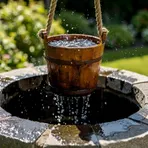
To take something out of a place, often with effort
 270
1.0
270
1.0
Pull something out of a place or container
 198
1.0
198
1.0
To let liquid flow away from something
 159
3.5
159
3.5
To take money or things out of a place where they are kept
 20
4.1
20
4.1
Push a liquid or other substance out of something
 18
3.8
18
3.8
Remove something from where it is, for example a nail or a secret
 2
6.6
2
6.6
To move liquid or money from one place to another slowly and often secretly
 1
3.7
1
3.7
Take oil or fat from the top of a liquid using a spoon
 1
3.4
1
3.4
Take a thin layer off the top of a liquid
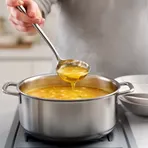
To take liquid from a container with a ladle
Antonyms

How Much

Surface Forms
Morphology
The meaning 'to remove a liquid from a container' is directly derivable from combining 'draw' (to pull or extract) with 'off' (indicating removal or taking off). This verb+particle composition follows standard English patterns and cross-linguistic logic, so a B1 learner who knows both constituents would likely infer the MWE's meaning.
Etymology
Draw off: The phrasal verb draw off comes from the image of using a tap, tube, or spout to pull liquid out of a container, like drawing a sample from a bottle or draining oil. That's why it means 'to remove liquid from a container' or 'take a sample'.