

to get out
 ∞
1.0
∞
1.0

- phrasal verb
- /ɡɛt aʊt/
- "We would like to be able to get the plastic out," he explains.
- get out the plastic
Loading YouTube…
Watch on YouTubeIt's not worth the struggle of trying to get them out in intact.
- It's not worth the struggle of trying to get them out in intact.
- So I got the foundation, let me get it out, which is here.
- This is the thing I got out of the drugstore drawer.
- Yeah, So they've got him out of Man City.
- And the good news is get your foot out of my face.
- So boys and girls, get stuff out, stop being so precious.
Examples
-
And maybe you should get the hell out of my life and not come back.
Fiction book (1990) -
And now I have to get out all my stuff.
-
Can they get it out?
-
Please get me out of here!
-
Or you can do this report and get the whole thing out of the way.
Academic text (1994) -
Mikey, you gotta get April out of here, now!
-
I went in the bathroom and got that towel out of the dirty clothes hamper.
Fiction book (1990) -
Frances, run to the house and get my ladder out of the shed.
Fiction book (1990) -
You have to use bolt cutters to get these out of their little cages.
-
You have to get out the toys from the box before we can play with them.
Synonyms
 ∞
1.0
∞
1.0
To move something toward you using force, often to remove it
 948
1.9
948
1.9
To remove something from a place or container
 523
2.7
523
2.7
To take something out of a place, often with effort
 344
1.1
344
1.1
Allow someone or something to leave a place
 270
1.0
270
1.0
Pull something out of a place or container
 125
2.6
125
2.6
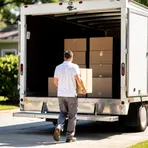
Take things or people out of a vehicle like a truck
 70
3.8
70
3.8
Force someone or something to leave a place
 61
1.6
61
1.6
Take something out of a cupboard or closet
 32
4.2
32
4.2
Force someone to leave a place
 22
7.6
22
7.6
Free a person or thing from something that traps them
 6
4.2
6
4.2
To push something out with effort or pressure
 5
5.0
5
5.0
To take out what is inside a container so it becomes empty
 5
2.7
5
2.7
To take something out by picking it up, often carefully or with a tool

To get someone or something out with effort
Antonyms

How Removed

Surface Forms
Morphology
The sense 'to become known' is directly derivable from combining 'get' (to come to a state/arrive) with 'out' (into the open/public). This particle-verb composition (information getting 'out' into the public) is a transparent, cross-linguistically common metaphor, so a B1 learner who knows both words would likely infer the meaning.
Etymology
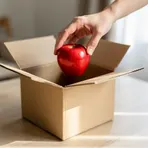
Get out, literally get and out, comes from the simple picture of putting your hand into a box and bringing something out into the open. That's why it means 'to take or bring something out of a container or enclosed space'.