
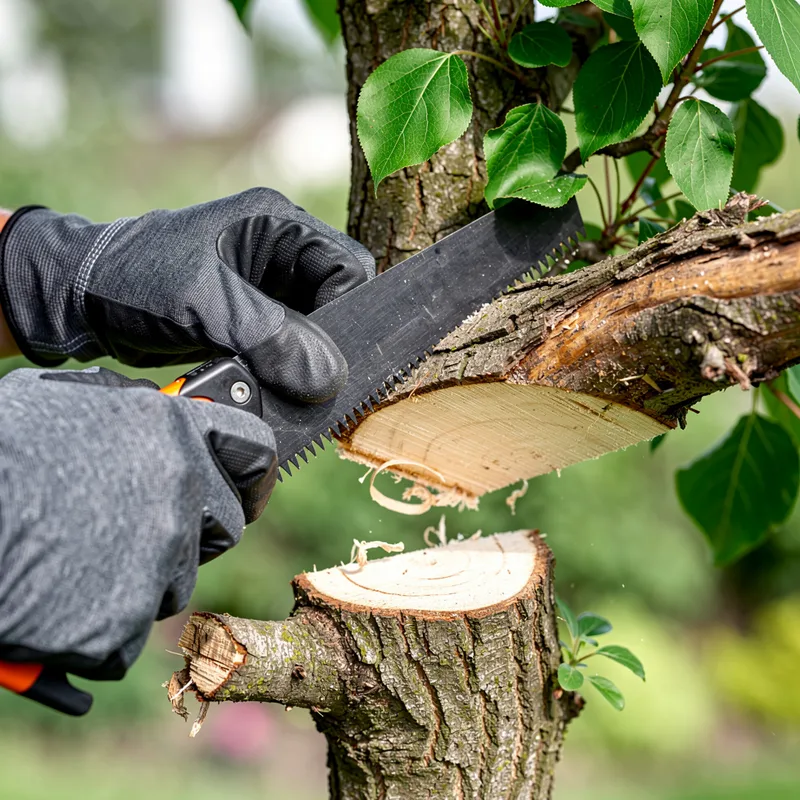
to cut away
 5
3.4
5
3.4

- phrasal verb
- /kʌt əˈweɪ/
- We'll cut away as much of the tumor as possible and then we'll inject the remaining malign areas with a virus which we hope will kill it.
- carefully cut away
- cut away infected tissue
- cut away the skin
Loading YouTube…
Watch on YouTubeYou know, it helps to have a more precise armhole, you know, cut away a little bit more in the front and a higher armhole, OK.
- You know, it helps to have a more precise armhole, you know, cut away a little bit more in the front and a higher armhole, OK.
- All right, I think I need to cut away some of this.
- It has to be cut away and destroyed, and everything that isn't worthy has to go.
Examples
-
Usually, the engineer cut away the thrust blocks on one side of the hull.
Fiction book (1992) -
My mother used her fine scissors to cut away the threads along the seam.
Fiction book (1996) -
The old growth had been cut away to make room for houses.
Fiction book (1992) -
The entire right side of her face had been cut away.
Fiction book (1995) -
...we must cut away what's left of his clothing.
-
And this allows you to cut away a huge number of connections between neurons.
-
And not infrequently, we would visit villages where extensive amounts of the village and their fields had been cut away by the river.
-
In a few minutes, he had cut away the pieces of meat he would need: shoulders, hindquarters, ribs, and strips of tenderloin.
Fiction book (1992) -
The damaged barge had been floated to the Anheuser repair yard in St. Paul, where welders cut away the buckled hull plates and prepared to burn on new ones.
Fiction book (2001) -
The surgeon must cut away the damaged tissue to promote healing.
Synonyms
 ∞
1.0
∞
1.0
To divide something using a sharp tool, often into pieces
 ∞
1.5
∞
1.5
To remove clothes or something from your body
 948
1.9
948
1.9
To remove something from a place or container
 100
5.6
100
5.6
To cut something completely away from a larger thing with a knife or tool
 77
3.2
77
3.2
To remove a shape from paper or cloth using scissors
 68
4.4
68
4.4
To pull something out quickly and with force, often to remove it completely
 41
2.7
41
2.7
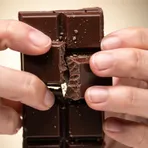
To take something off from where it is attached
 28
2.8
28
2.8
To make a piece come away from something by hitting or bending it
 25
1.9
25
1.9
Cut very thin slices from things like cheese or wood
 24
4.8
24
4.8
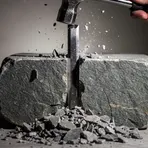
To pull something out with force
 24
4.2
24
4.2
To make something smaller or weaker by removing small parts slowly
 15
6.3
15
6.3
Remove a substance or part from material like soil
 14
7.2
14
7.2
To cut out part of a body or text
 12
3.0
12
3.0
To pull something off quickly until it rips
 9
3.7
9
3.7
To remove clothes or a cover completely and quickly
 9
4.6
9
4.6
To cut a part from something with one quick move
 8
3.4
8
3.4
To take off the outer layer by pulling it
 3
3.4
3
3.4
To make something smaller by cutting or removing parts
 2
3.7
2
3.7
To cut a small part off something quickly and neatly with scissors or shears
 1
3.4
1
3.4
Make a thing smaller by cutting or removing parts
 1
5.4
1
5.4
To remove small pieces from something slowly by steady effort

 1
8.3
1
8.3
To cut off the top of a tree or branch
Antonyms

How Detached

Surface Forms
Morphology
The meaning is directly compositional: 'cut' (remove/reduce) combined with the particle 'away' (off/away from) yields the sense of removing or lessening something. This verb+particle pattern is standard in English and applies to tangible and intangible items, so a B1 learner who knows both constituents can reasonably infer the intended meaning.
Etymology
Cut away comes from using tools to remove parts. Picture a saw that cuts a piece away from a tree or cloth, so the phrase means 'to remove something by cutting it off'.