
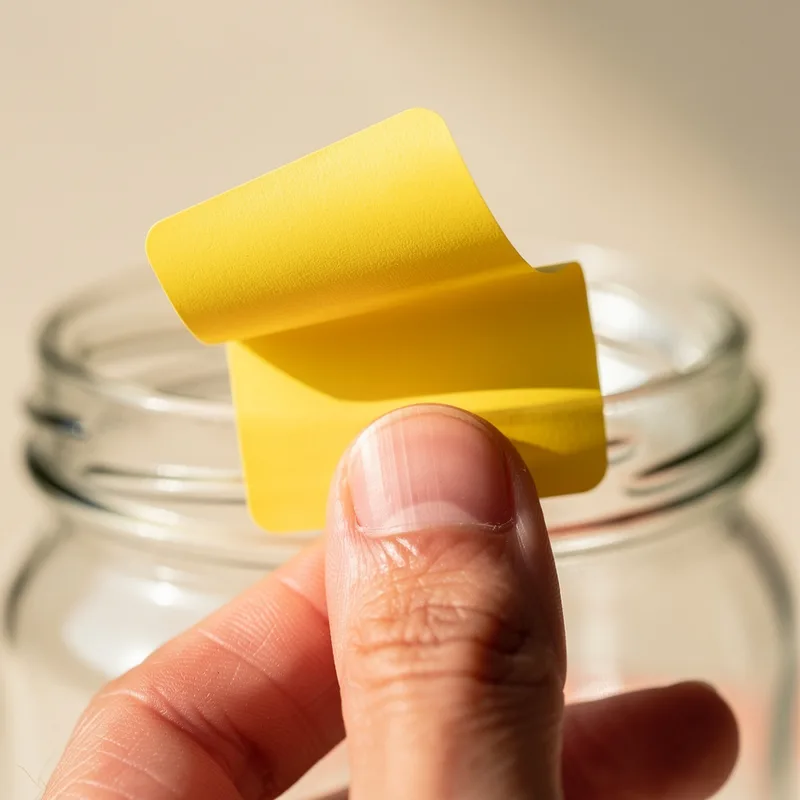
to peel off
 8
3.4
8
3.4

- phrasal verb
- /piːl ɔf/
- And I'm going to peel off the protective coating on one side.
- peel off skin
- peel off the layer
- peel off their clothes
Loading YouTube…
Watch on YouTubeI'm going to peel off the little clear backing.
- I'm going to peel off the little clear backing.
- And I'm going to peel off the protective coating on one side.
- Now when you get these products, they have a nice protective cover that you peel off the top.
- They've got this sticky bit here which you peel off and then you'd stick it to a surface.
Examples
-
Once our heart's painted, now we're going to gently peel off the sticker paper.
-
I believe these are dry, so I'm going to peel off the tape.
-
All you got to do is peel off the outside.
-
Now I get to peel off the protective paper.
-
All right, now we're going to attempt to peel off our masks.
-
I'm going to peel off the little clear backing.
-
All right, so we peel off these stickers over here.
-
Drew, please peel off the protective coating from your LED lights.
-
They've got this sticky bit here which you peel off and then you'd stick it to a surface.
-
To prepare the fruit for dessert, simply peel off the skin of the apple.
Synonyms
 ∞
1.5
∞
1.5
To remove clothes or something from your body
 131
3.5
131
3.5
To become loose and fall off
 68
4.4
68
4.4
To pull something out quickly and with force, often to remove it completely
 42
2.7
42
2.7
Remove all covering or contents from an object so it is left bare
 41
2.7
41
2.7
To take something off from where it is attached
 39
7.7
39
7.7
Take off some or all clothes in a noticeable way
 27
4.0
27
4.0
Remove an outside layer or covering from something to show what is under it
 25
1.0
25
1.0
To take something off a surface carefully
 24
4.8
24
4.8
To pull something out with force
 24
4.2
24
4.2
To make something smaller or weaker by removing small parts slowly
 20
1.0
20
1.0
Remove dirt or marks from a surface by rubbing with a cloth
 15
1.0
15
1.0
To take off paper or cloth that covers a gift
 12
3.0
12
3.0
To pull something off quickly until it rips
 11
2.8
11
2.8
To take off quickly and easily, especially clothes or small items
 11
3.4
11
3.4
Remove a cover or layer by pulling it away slowly
 10
2.7
10
2.7
To remove the outer layer from a fruit, vegetable, or animal
 9
4.3
9
4.3
Pull things away one at a time
 9
3.7
9
3.7
To remove clothes or a cover completely and quickly
 9
4.6
9
4.6
To cut a part from something with one quick move
 8
6.2
8
6.2
To come off in thin layers, like peeling bark
 5
3.4
5
3.4
Come off a surface when something moves against it
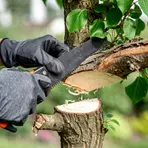 5
3.4
5
3.4
To remove a part from something with a knife or tool
 5
7.8
5
7.8
To remove a covering from something, leaving it bare
 3
3.9
3
3.9
To come off a surface in small thin pieces
 3
5.2
3
5.2
To rub a surface with a small rough tool to remove something
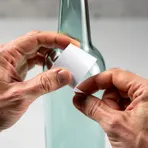 1
3.4
1
3.4
To remove the outer covering from things like fruit or labels
 1
4.7
1
4.7
To remove the top layer of something by rubbing it with sandpaper
 1
3.4
1
3.4
Remove a mark by moving a cloth or hand over it many times


 1
4.2
1
4.2
To pull something away carefully, for example a bandage or tablecloth
 1
4.8
1
4.8
To remove the top layer from a liquid using a spoon
 1
9.0
1
9.0
To come away from living tissue, for example dead skin leaving a wound
To take something out of its cover

To remove the outer skin from fruit or cheese

To take cloth coverings off something to show it
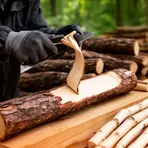
To remove the outer layer or covering from something, for example the bark of a tree
Antonyms


How Exposed

Surface Forms
Morphology
The sense 'to leave a group or formation and move away' is partially inferable from 'peel' as 'detach' and 'off' as 'away/removal', so a learner who knows both words could guess a meaning involving separation and movement. However, using a peeling metaphor for people or vehicles leaving a formation is a figurative extension and not fully predictable from the constituents alone, so it requires some exposure to this phrasal-verb use.
Etymology
Peel off: The phrasal verb peel off comes from the simple action of peel + off, like pulling the skin off an apple or banana in one piece. So it means 'to remove an outer layer'.