

to decorticate
- verb
- /dɪˈkɔːrtɪkeɪt/
- Specialized
- Farmers often decorticate the bark of trees to promote growth.
Examples
-
In botany classes, students learn how to decorticate samples for analysis.
-
They scrape, clean, and decorticate.
Fiction book (1992) -
The surgeon will decorticate the tumor to examine the underlying tissue.
Synonyms

 126
1.0
126
1.0

Remove the outer skin from a fruit or vegetable before eating
 11
3.4
11
3.4
Remove a cover or layer by pulling it away slowly
 8
6.2
8
6.2
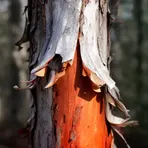
To come off in thin layers, like peeling bark
 8
3.4
8
3.4
To take off the outer layer by pulling it
 5
7.8
5
7.8
To remove a covering from something, leaving it bare
 2
9.0
2
9.0
To remove the bark from a tree
 1
3.4
1
3.4
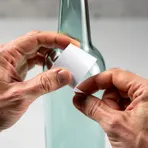
To remove the outer covering from things like fruit or labels

To remove plants and the top layer of soil from land so it becomes bare
Antonyms

How Complete

Surface Forms
Morphology
decorticate = corticate (semi-transparent) = de + cortic + ate
The verb is transparently formed by prefixing de- to a base 'corticate', but the base is specialized/rare, so average learners may not deduce it.
Etymology
Decorticate comes from the parts de- meaning 'remove' and cortex meaning 'bark' or 'outer layer', like the bark of a tree. So to decorticate branches or logs is to strip off their outer layer before use.