
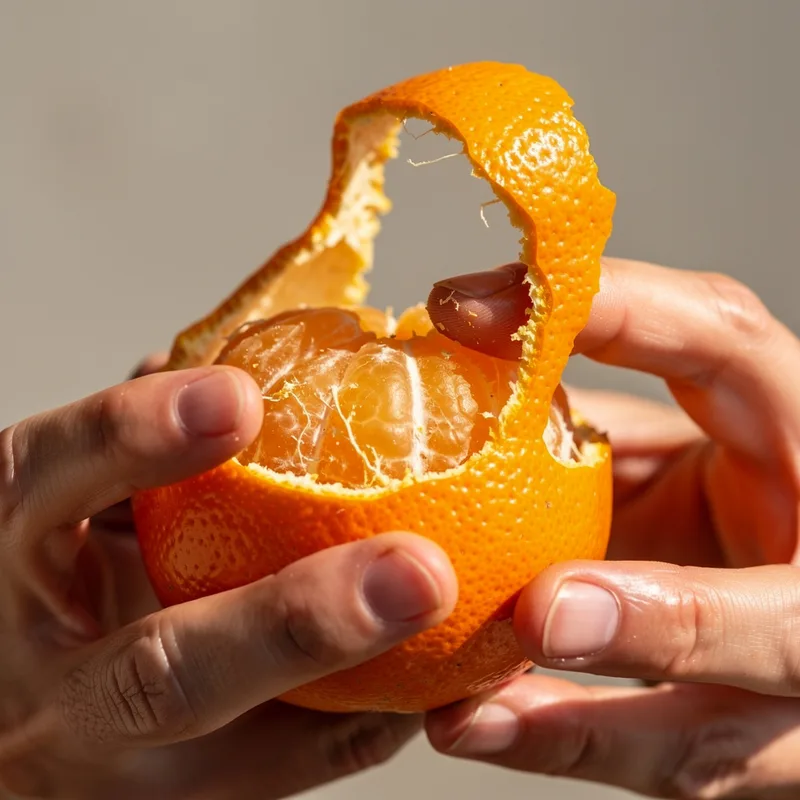
to peel
 126
1.0
126
1.0

- verb
- /piːl/
- "Do you know how to peel a potato?" the cook asked the boy.
- peel a potato
- peel away
- peel back the layers
Loading YouTube…
Watch on YouTubeYip, doggy, just cut, peel, stick and seal.
- Yip, doggy, just cut, peel, stick and seal.
- And also who has the time to peel fruits?
- Chop the carrots, then peel the potatoes, mix the icing.
- The same thing can happen with mushrooms or when you peel artichokes.
- Like, will you would you peel my orange?
- So this is shrimp that's been peeled and cooked already.
- And what we're going to do is peel one of the cupcakes.
- It looks like they're going to peel a carrot with tin foil.
- And you have to slowly, like peel up around in a circle formation.
Examples
-
OK, now I have to peel the carrot skin.
-
You gotta peel the banana before you can eat it.
-
What are you peeling potatoes for?
-
And then he peeled the Kiwi with a spoon.
-
Paul has gracefully peeled potatoes and it's almost done.
-
So we have, we need to dice and peel the butternut squash.
-
So while that's boiling, I am going to peel these carrots.
-
Then, with one foot on the chair, he started whistling a tune and peeling his potato.
Academic text (2005) -
Chop the carrots, then peel the potatoes, mix the icing.
-
You need to peel the apple before you can slice it.
Synonyms
 18
2.1
18
2.1
To remove the hard outer covering from nuts, peas, or seafood
 11
3.4
11
3.4
Remove a cover or layer by pulling it away slowly
 10
2.7
10
2.7
To remove the outer layer from a fruit, vegetable, or animal
 8
3.4
8
3.4
To take off the outer layer by pulling it
 4
5.5
4
5.5
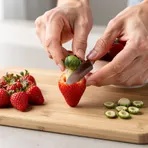
To remove the outer covering from seeds, nuts, or fruit
 3
4.8
3
4.8
To cut away the thin outer layer or the edges of things like fruit and wood
 1
3.4
1
3.4
To remove the outer covering from things like fruit or labels
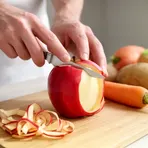
To remove the outer skin from fruit or vegetables

To remove the outer skin from fruit or cheese
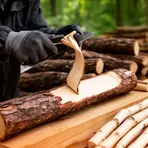
To remove the outer layer or covering from something, for example the bark of a tree
Antonyms

Idioms


Phrasal Verbs


Compounds

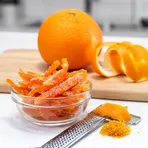
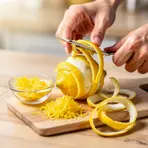


Strips of grapefruit skin become a sweet when cooked in sugar and used as a decoration

A bright orange cup-shaped growth on the ground that looks like an orange peel

How Completely

Surface Forms
Etymology
Peel as a verb comes from the same idea of taking off a 'skin', from old verbs like the French peler, so to peel a potato is to take off its outer 'skin'.