

to relax
 ∞
1.0
∞
1.0

- verb
- /rɪˈlæks/
- I breathe deeply, relax fully, and sleep soundly.
- relax and enjoy
- just relax
- help relax
Loading YouTube…
Watch on YouTubeBut the moment you relax, you're off guard.
- But the moment you relax, you're off guard.
- But now I have time to sit down, relax and play some chaos.
- And you're the more I can relax and be who I am.
- James at SXNCY says how do you relax after a stressful day?
- You have got to relax, you have got to be confident.
- It's, it is come down here, relax, think about why you're doing this.
Examples
-
So sit back, relax, and enjoy the View.
-
Sit back, relax and watch my show.
-
No, you guys hang out, you know, relax in bed, watch TV.
-
All right, back to the room to relax and work on the book.
-
Feeling so good to just relax, to just let go.
-
You should learn to relax a bit more.
-
Because college students are typically busy, finding time and a way to relax is essential.
Academic text (2015) -
You have got to relax, you have got to be confident.
-
Here's a nap pod so you can relax during work time.
-
After a long week at work, I like to relax on the weekends by reading a book.
Synonyms
 962
1.0
962
1.0
Make a person or animal less upset
 816
1.0
816
1.0
To stop activity to relax or sleep and get energy back
 687
1.4
687
1.4
To move or act more slowly
 594
1.4
594
1.4
To become less angry, excited, or upset
 572
2.5
572
2.5
Relax and avoid doing too much or worrying
 540
2.8
540
2.8
To become calm and still after movement or excitement
 305
2.1
305
2.1
To make something less painful or difficult
 223
4.0
223
4.0
To relax and do very little
 103
2.7
103
2.7
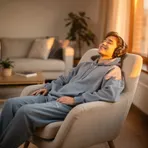
Pull air slowly into your lungs to calm yourself
 99
4.9
99
4.9
To relax and become calm after you feel upset
 63
3.4
63
3.4
To make someone feel calmer or reduce their pain
 57
3.7
57
3.7
To make something less strong or strict
 56
2.5
56
2.5
To become quiet and calm after being excited
 55
6.2
55
6.2
To calm down and stop being angry or excited
 35
3.4
35
3.4
Become relaxed and less tense after work or a stressful time
 31
3.4
31
3.4
To relax and become less nervous or tense
 31
3.1
31
3.1
Sit down and relax as if you are at home
 25
2.6
25
2.6
To take a short break to rest
 19
2.5
19
2.5
Feel less angry or excited
 16
4.2
16
4.2
Feel calm and not worried after someone reassures you
 14
3.5
14
3.5
To stop and rest for a short time
 11
4.2
11
4.2
Relax and become less tense after work or stress
 10
6.3
10
6.3
Become more relaxed and easygoing
 5
3.5
5
3.5
To make you feel less tense or worried
 5
3.4
5
3.4
To feel relaxed and relieved after a worrying time
 2
8.6
2
8.6
Calm down and relax after feeling stressed or excited


 1
5.6
1
5.6
Relax and become less tense or formal
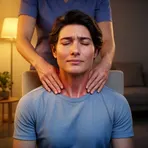
To make muscles or nerves feel less tight after stress

Make someone feel less worried or tense

To make the body or mind less tense

Make a tense person or situation feel more relaxed

Make a tense situation calmer
Antonyms


Phrasal Verbs

How Relaxed

Surface Forms
Etymology
Relax comes from Latin parts re- and lax where lax means 'loose', so it originally meant 'loosen again'. Think of breathing out and letting your body or mind become loose — that's why to relax is to feel less tense or worried.