
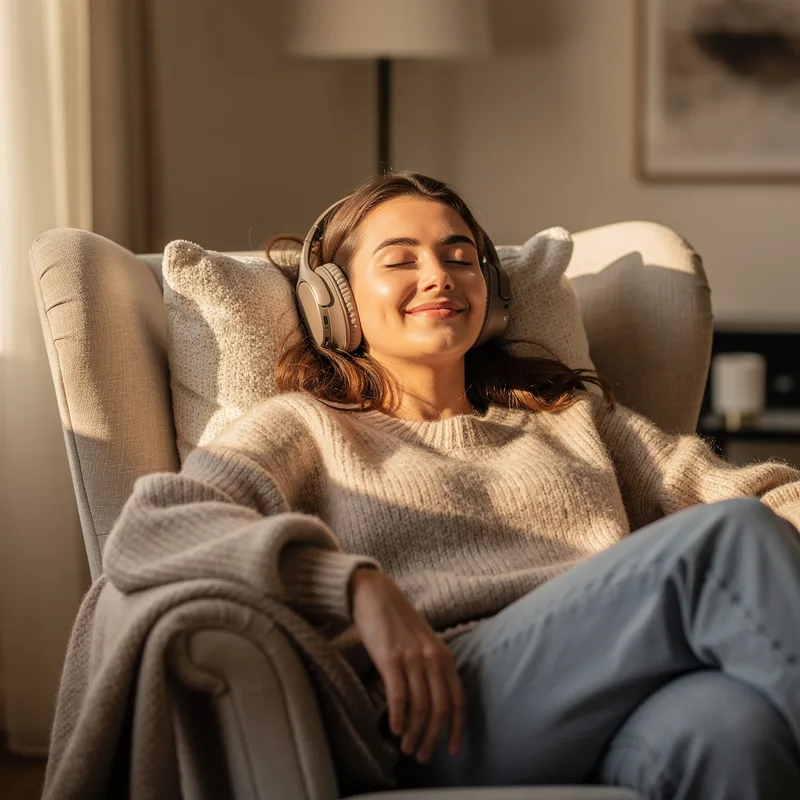
to unwind
 35
3.4
35
3.4

- verb
- /ʌnˈwaɪnd/
- Wednesday was my day, my oasis in the desert, my day to unwind and regroup.
Loading YouTube…
Watch on YouTubeYou have to have that, that time to unwind, that time to just like define yourself.
- You have to have that, that time to unwind, that time to just like define yourself.
- It was a place that they would come to as frequently as they could to unwind and recharge.
- Choose whatever helps you unwind, but avoid sending messages while you're all wound up.
- Like that's got to be traumatic and I can completely understand if he's unwinding from that.
- Try and make time for a hobby or time to relax and unwind.
- But we've had we're having an amazing time and it's been so nice to just unwind with the ladies.
- This has helped me unwind and prioritize our time together, which he initially seemed to support.
- It just unwinds me de stresses my physical body and helps me feel more balanced.
- It's a perfect way to unwind because I'm not going to lie, I'm feeling a little beat.
- You can't tell individuals like yourself, like me, to unwind.
- It's the easiest thing you're going to do, but it requires you to unwind some of your beliefs because.
Examples
-
You just want to relax and unwind and just feel good.
-
There are about ten of us, unwinding after a day of meetings.
Fiction book (2001) -
When I need to unwind, I do it with Best Friends.
-
Today was mostly just to kind of unwind and just really enjoy ourselves.
-
Just want to unwind, you know?
-
Are you looking for a place where you can unwind and relax from your busy day?
Blog text (16) -
So you want to unwind after studying so hard?
-
I know the perfect place we can go to unwind.
-
The cruise gave him a chance to unwind and get some well-needed rest.
Academic text (2005) -
After a long week at work, I like to unwind by watching a movie and enjoying some quiet time at home.
Synonyms
 ∞
1.0
∞
1.0
To feel less nervous and more calm
 816
1.0
816
1.0
To stop activity to relax or sleep and get energy back
 687
1.4
687
1.4
To move or act more slowly
 594
1.4
594
1.4
To become less angry, excited, or upset
 496
1.4
496
1.4
To stop doing something for a short time to rest or relax before continuing
 381
3.7
381
3.7
To stop worrying about something and relax
 99
4.9
99
4.9
To relax and become calm after you feel upset
 56
2.5
56
2.5
To become quiet and calm after being excited
 55
6.2
55
6.2
To calm down and stop being angry or excited
 50
2.7
50
2.7
To become calmer, less angry, or less hot
 39
3.7
39
3.7
To relax after a busy or stressful time and slowly come to an end
 31
3.4
31
3.4
To relax and become less nervous or tense
 24
3.2
24
3.2
Stop what you are doing to rest or do something different for a short time
 19
2.5
19
2.5
Feel less angry or excited
 16
4.2
16
4.2
Feel calm and not worried after someone reassures you
 14
3.5
14
3.5
To stop and rest for a short time
 14
3.5
14
3.5
Do something active, like go for a run, to feel less angry or stressed
 13
5.5
13
5.5
To sit down and rest after standing or working
 12
3.9
12
3.9
Relax and enjoy yourself without worrying
 11
4.2
11
4.2
Relax and become less tense after work or stress
 10
6.3
10
6.3
Become more relaxed and easygoing
 8
5.6
8
5.6
Relax and enjoy yourself after being serious or busy
 7
4.0
7
4.0
To stop using electronic devices or online services for a short time to rest
 5
3.4
5
3.4
To feel relaxed and relieved after a worrying time
 2
8.6
2
8.6
Calm down and relax after feeling stressed or excited


 1
2.7
1
2.7
Relax and feel less stressed after work
 1
3.9
1
3.9
Become relaxed and less tense
 1
5.6
1
5.6
Relax and become less tense or formal

Make a tense person or situation feel more relaxed
To make muscles or nerves feel less tight after stress

Make someone feel less worried or tense

To make the body or mind less tense
Phrasal Verbs
How Relaxed

Surface Forms
Morphology
Etymology
The word unwind also means 'to relax' and comes from un- 'undo' plus wind 'to twist'; imagine a tight spring or rope slowly uncoiling and losing its tension. That's why to unwind after work is to let your stress out and become calm.