
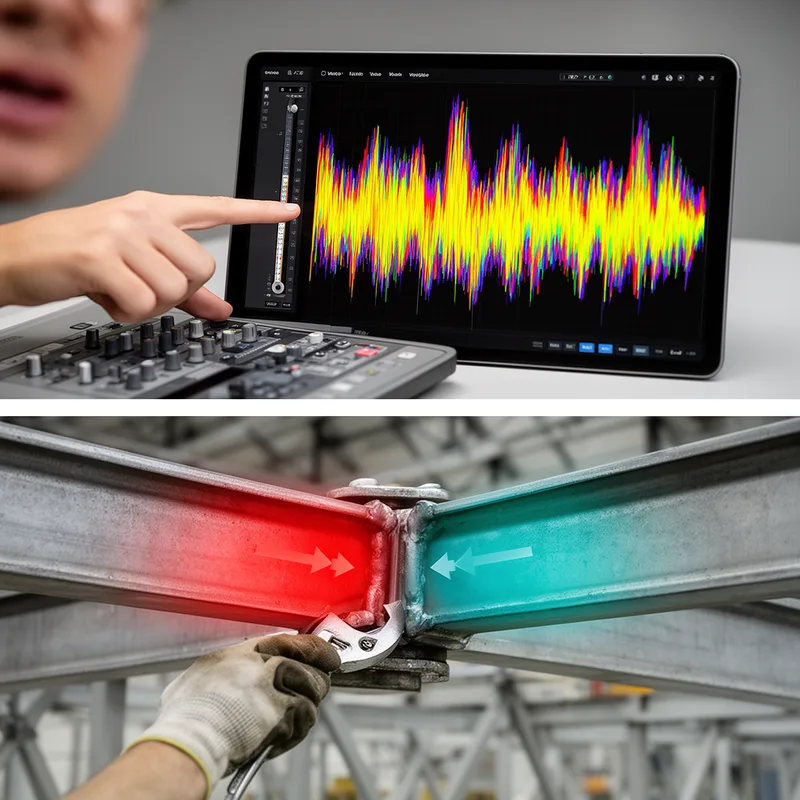
to unstress
- verb
- /ʌnˈstrɛs/
- When teaching pronunciation, you should help students unstress syllables that are less emphasized in a word.
- unstressed syllable
Examples
-
To create a more natural sound, speakers often need to unstress some of the less prominent syllables.
-
In phonetics, it's important to learn how to unstress certain vowels to improve clarity in speech.
-
In addition, increased age was associated with decreased duration of unstressed vowels, with the most noticeable difference occurring between ages 2 and 3 years.
Academic text (2012) -
This codes whether a syllable or articulatory gesture will have primary or secondary stress or be unstressed.
Academic text (2012) -
The 7-year-olds in that study were not producing adult-like unstressed syllable durations.
Academic text (2012) -
After a 10-minute statically applied pressure was released, the time for the temperature difference between the stressed site and an unstressed site 10 to 15 cm away to reach either a maximum or a constant value was assessed.
Academic text (2000) -
Unstressed (weak) syllables.
Academic text (2012) -
In addition, our results show that 7-year-old typically developing children still do not have an adult-like capability to mark stressed and unstressed syllables in WS words on sets.
Academic text (2012) -
The same study found that infants also retain the order of syllables in a string based on the presence of both stressed and unstressed syllables. Children develop the foundations for producing lexical stress patterns within their first year.
Academic text (2012)
Synonyms
 78
1.0
78
1.0

To make or become less tight
 35
3.4
35
3.4
Become relaxed and less tense after work or a stressful time
 11
4.2
11
4.2
Relax and become less tense after work or stress

Make a syllable or word less strong when you speak

To reduce forces inside a metal or glass, usually by heating it

Make a rope or line less tight

To make the body or mind less tense

To free a part of your body from a tight painful position
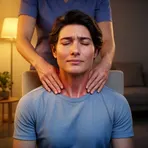
To make muscles or nerves feel less tight after stress
How Stressed

Surface Forms
Morphology
Etymology
Unstress is made from un- 'not' and stress 'pressure' or 'emphasis'. So to unstress a syllable or a metal part is to make it less strong or less under pressure.