
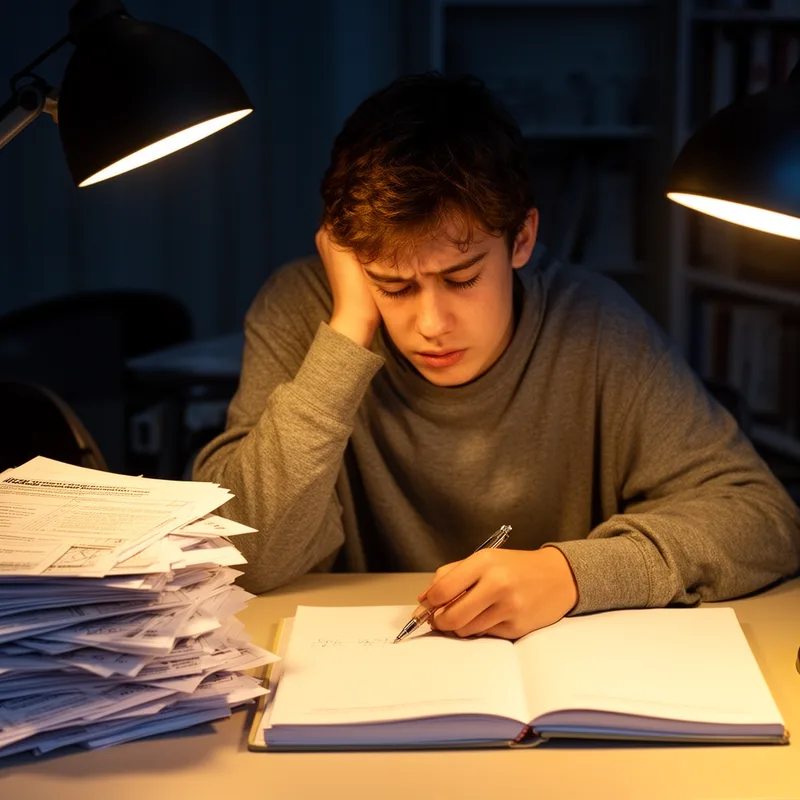
to slack up


 1
5.7
1
5.7
- phrasal verb
- /slæk ʌp/
- UK
- The kids decided to slack up on their homework during the holidays, choosing to play outside instead.
Examples
-
After the initial excitement of the project, the team started to slack up in their efforts to meet the deadline.
-
Anybody who slacks up gets a night in a cell.
-
During the winter months, many outdoor activities tend to slack up as the cold weather sets in.
Synonyms
 687
1.4
687
1.4
To move or act more slowly
 57
3.7
57
3.7
To make something less strong or strict
 54
3.8
54
3.8
To become less strong, especially for bad weather, pain, or pressure
 49
2.6
49
2.6
Become less in number, amount, or quality
 48
6.4
48
6.4
To become less in size, amount, or strength
 26
3.2
26
3.2
To make rules less strict
 14
4.1
14
4.1
Make something, like a taste, sound, or plan, less strong
 9
4.0
9
4.0
To become gradually less strong or severe
 8
2.7
8
2.7
Move or make something move less quickly
 3
5.3
3
5.3
To reduce effort, speed or attention
 3
3.9
3
3.9
To become less strong or busy
 1
4.9
1
4.9
Become or make slower, for example the wind
To become less strong or active
Antonyms


How Intense

Surface Forms
Morphology
slack + up
The meaning 'to slow down, become less active' is directly predictable from 'slack' (to let up or reduce effort) combined with the particle 'up', which in phrasal verbs often marks movement into a state or completion. A B1 learner who knows the verb 'slack' and the particle 'up' would readily infer this compositional sense, so the expression is transparent.
Etymology
Slack up comes from the image of a tight rope being loosened: when the rope goes slack there is less pull and movement. So, to slack up means to 'slow down' or become less active, just like a loose rope has less pull.