
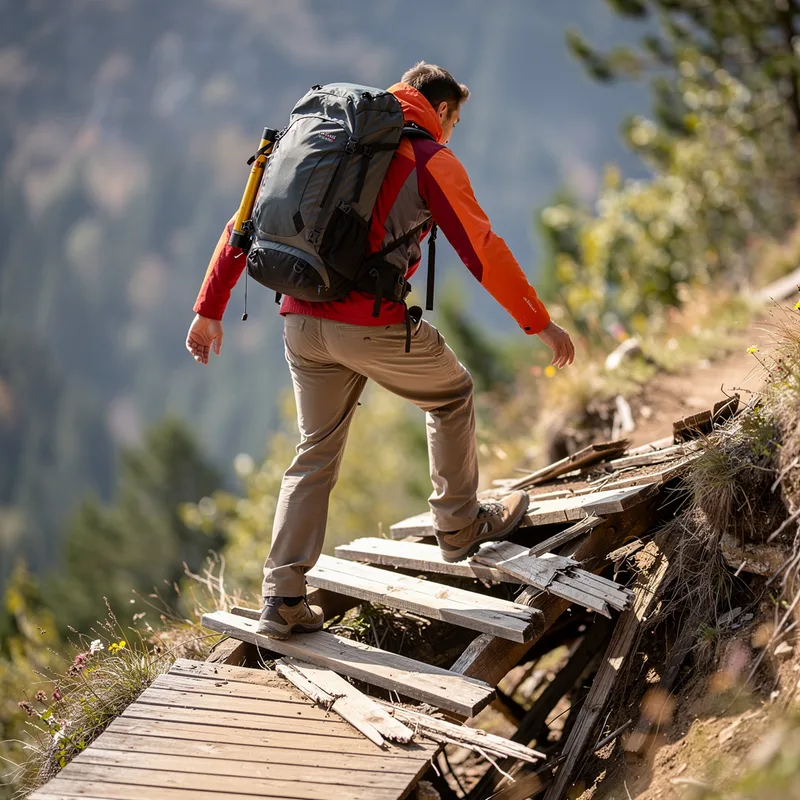
to retreat
 225
4.0

- verb
- /rɪˈtriːt/
- As the situation worsened, the troops were ordered to retreat from the battlefield.
- forced to retreat
- retreat from a position
- advance and retreat
Loading YouTube…
Watch on YouTubeShe ends up having to retreat, though not surrender.
- She ends up having to retreat, though not surrender.
- As long as you're pursuing and he's retreating, you've got to retreat.
- We are now retreating in all of those areas.
- They opened his mail, he had to retreat to a different address.
- When that happens, it's not time to judge or retreat, but to lend a hand.
- Just because a guy is kind of retreating, that can be strategy.
- But he's also trying to retreat into his identity.
- The day the day that I've retreated and retracted my little baby comments.
- Don't retreat just to your books.
- They've retreated from that life in any case.
Examples
-
So the enemy would do well to retreat back into the circle.
-
The English army, meanwhile, had retreated to Castle La Roque.
-
We will not break, we will not retreat, we will not give up.
-
I can do what everyone else is doing and retreat and wait it out.
-
We are now retreating in all of those areas.
-
The Southern army facing Chattanooga is ordered to retreat.
-
At a time of stress, he'd retreat to the familiar.
-
But since her mother's death the previous month, she had retreated to her bedroom.
Fiction book (1991) -
After a brief clash, the entire force retreats back towards the Roman camp.
-
Where's Silver? Silver had retreated to the street, and Rachel had to go retrieve her.
Fiction book (1990)
Synonyms
 ∞
1.0
To go away from a place, person, or group
 926
1.0
To leave a place or person and go somewhere else
 876
3.5
Leave a person, place, or situation without taking part anymore
 646
3.0
To escape from people who are holding you, often by force
 443
2.8
Move away from someone, or stop taking part in something
 388
1.7
To step away to an earlier place
 370
4.1
To move people out of a place because it is dangerous, for example during a fire
 320
3.4
To move yourself and things backward from a place, person, or situation
 311
2.8
To stop taking part in a place or activity
 240
2.7
To get away from a person, place, or situation that causes trouble
 234
1.0
To go out of a place or leave a situation
 228
3.4
To stop being involved in an activity or agreement
 153
3.5
To move away from people or a place to create space
 112
3.4
Decide not to do something you promised to do
 111
3.9
Stop supporting or taking part in a plan because you feel unsure
 95
3.7
To move back to a safer place when facing danger
 67
4.8
To move back or become less strong
 42
4.1
To move backwards away from something because of fear or surprise
 24
3.8
Move away from people to a quieter place
 9
4.0
To move back from a place or position, often to a safer spot
 9
4.1
Leave a place because it is dangerous or officials tell you to
 4
2.5
Leave a place quickly because you are in a hurry
 3
6.0
To leave a place quickly to avoid danger or trouble


 1
7.7
To move quietly to the side and away so people do not notice you
 1
9.9
To back out of a promise or agreement
 1
7.1
Take back a promise or support you gave
 1
9.7
To try to avoid doing something you promised or agreed to do

To stop trying and leave a situation quietly
Antonyms

Idioms

Phrasal Verbs

How Withdrawn

Surface Forms
Morphology
Etymology
Retreat comes from the parts re- 'back' and tract 'to pull', as in tractor. So to retreat is to 'pull back', which is why it means to move back or withdraw from a place or situation.