
to draw back
 4
4.1
4
4.1

- phrasal verb
- /drɔː bæk/
- The crowd gasped and drew back a little as the beautiful, white-haired Lady of the Sea materialized.
- curtains drawn back
- drew back her hand
- lips drew back
Loading YouTube…
Watch on YouTubeAn upper jaw that can be dropped and fired at its prey and then drawn back again.
- An upper jaw that can be dropped and fired at its prey and then drawn back again.
- But if you're trying to shoot a stop shot and the cue ball draws back a bit, that means you either hit it too low or you hit it too hard.
- And then this man drew back the curtains and said made this flippant remark like I'd try to maybe take my own life by slicing my finger.
- I mean, he held me and then he drew back and looked at me and he said, you're the real deal.
- The chance to draw back, always creating ineffectiveness, he went on to say, concerning all acts of initiative or creation.
Examples
-
"My God, Lee, what?" At the sight of my face, she drew back.
Fiction book (1993) -
But when she reaches the landing and looks at the tavern below, she draws back with surprise.
Fiction book (1993) -
Something moves behind those black eyes, something so strong I draw back a little.
Fiction book (1993) -
When there was no response from within, he drew back and kicked again.
Fiction book (1999) -
I handed the pearl to him, but he drew back in fear.
Fiction book (1998) -
The people on the dock drew back, fear replacing curiosity.
Fiction book (1992) -
The citizens of Suzdal, though eager to see the strangers, drew back at the approach of the column.
Fiction book (1990) -
Again, he hesitated and drew back from the thundering waters.
Fiction book (1995) -
"Something about his last comment sounded so ominous that she drew back and read his face anxiously.
Fiction book (1996) -
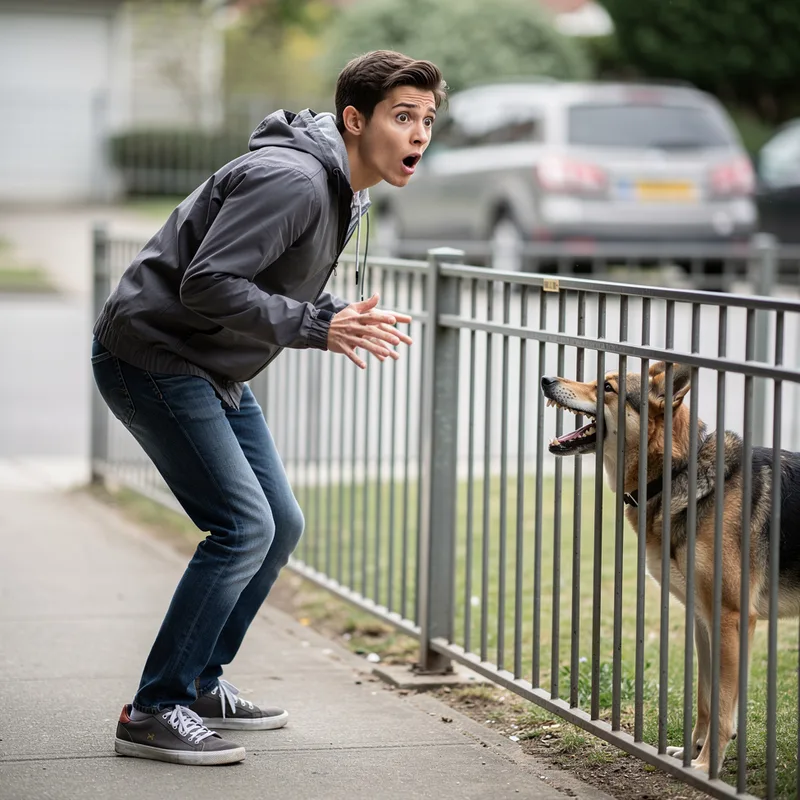
She drew back in fear when the dog barked suddenly.
Synonyms
 466
2.8
466
2.8
To stop taking part in a place or activity
 283
1.7
283
1.7
To step away to an earlier place
 235
4.0
235
4.0
To move back from a place or plan to avoid danger
 162
3.4
162
3.4
To move yourself and things backward from a place, person, or situation
 107
3.7
107
3.7
To stop insisting because others oppose you
 101
3.6
101
3.6
Pause and think about a situation to understand it better
 86
3.5
86
3.5
To move away from people or a place to create space
 59
3.9
59
3.9
Stop supporting or taking part in a plan because you feel unsure
 57
3.7
57
3.7
To move back to a safer place when facing danger
 53
3.8
53
3.8
Move away from people to a quieter place
 53
4.1
53
4.1
To pause and think again about a situation to see the bigger picture
 34
4.6
34
4.6
To hesitate and stay behind the group
 29
4.8
29
4.8
To move back or become less strong
 25
5.6
25
5.6
To pull something back so it is no longer sticking out
 13
4.4
13
4.4
To move back from a place or activity to avoid danger and trouble
 10
6.5
10
6.5
To try to change a previous statement or position to avoid criticism
 2
7.4
2
7.4
Move back suddenly in anger or protest
 1
4.7
1
4.7
Move away because you are afraid or disgusted

 1
7.9
1
7.9
To change an earlier decision or statement because of pressure

Take back a promise or support you gave
Antonyms


How Far

Surface Forms
Morphology
The surgical sense is a straightforward compositional use of 'draw' (to pull) + 'back' (toward or to a rear/away position): together they mean to pull something back or away to expose an area. This motion-oriented, verb+particle pattern is cross-linguistically common and would be predictable to a B1 learner who knows both constituents.
Etymology
Draw back paints a simple picture of draw (to pull) and back (away): imagine pulling your hand back from a hot stove because you are startled. That's why it means 'to move away' or to hesitate.