
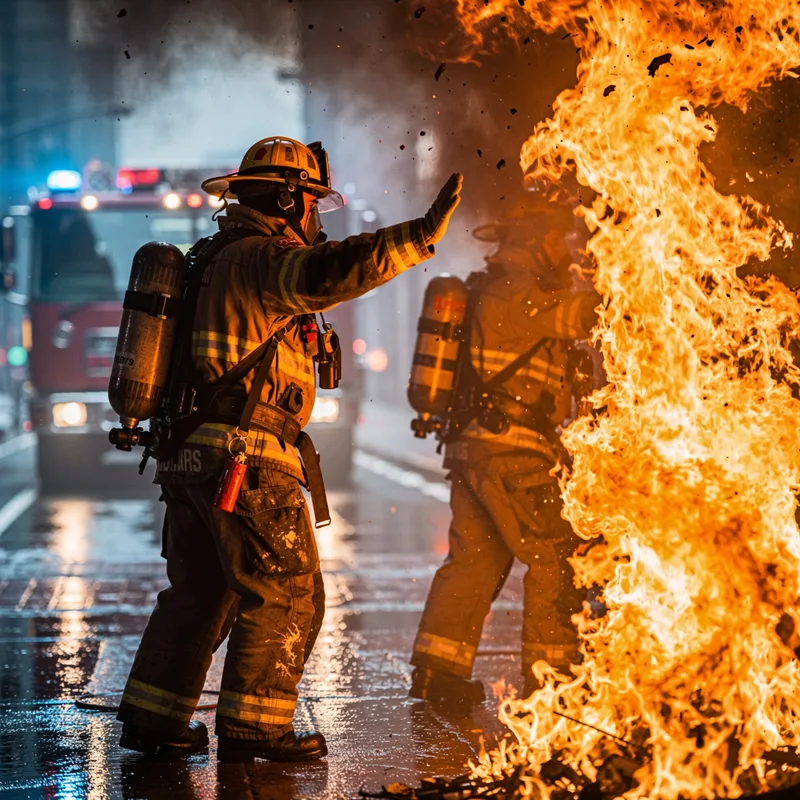
to fall back
 57
3.7
57
3.7

- phrasal verb
- /fɔl bæk/
- When the attackers approached, our troops had to fall back to safer positions.
Examples
-
The Austrians take heavy casualties from flanking musketry fire, fall back, and establish hasty defenses.
Academic text (1999) -
All troops are to fall back and report to defend Tbilisi.
-
We must fall back and defend the coast.
-
Fall back behind those trees.
-
When the Egyptians advance, fall back before them.
-
You're to fall back immediately.
-
After several failed attacks, the Austrians fall back with heavy losses.
-
Fall back with the platoon.
-
The wisest move is to fall back to our strongholds.
-
All fighters, fall back!
Synonyms
 283
1.7
283
1.7
To step away to an earlier place
 162
3.4
162
3.4
To move yourself and things backward from a place, person, or situation
 159
1.6
159
1.6
Move away and keep a safe distance from something or someone for safety
 107
3.7
107
3.7
To stop insisting because others oppose you
 59
3.9
59
3.9
Stop supporting or taking part in a plan because you feel unsure
 34
4.6
34
4.6
To hesitate and stay behind the group
 29
4.8
29
4.8
To move back or become less strong
 17
3.6
17
3.6
To move to a position behind other players, for example to prepare a pass or to help defend
 17
2.0
17
2.0
To stop someone from going forward or entering
 13
4.4
13
4.4
To move back from a place or activity to avoid danger and trouble
 7
7.0
7
7.0
To run away quickly because you are afraid
 4
4.1
4
4.1
To move backwards away from something because of fear or surprise
 2
3.5
2
3.5
To move back when others move forward
 2
7.4
2
7.4
Move back suddenly in anger or protest
 1
4.0
1
4.0
To move back from a place or position, often to a safer spot


 1
6.0
1
6.0
To leave a place quickly to avoid danger or trouble

March back together as a group, especially soldiers

Take back a promise or support you gave

To stop trying and leave a situation quietly

To go back along the path you came to return to the start
Antonyms


How Far

Surface Forms
Morphology
The meaning 'to move backwards suddenly, often losing balance' is directly derivable from combining 'fall' (to descend or drop) with 'back' (toward the rear). This motion + directional composition is a regular, literal pattern in English (and common cross-linguistically), so a B1 learner who knows the constituents will readily infer the MWE meaning.
Etymology
Fall back comes from the military image of retreat: picture a group stepping back together to a safer line when they are outnumbered, so they fall back as a unit. That's why it means 'to move back or retreat'.