to leave

to leave

1.0
To go away from a place, person, or group
  • verb
  • /liːv/
translation icon : irse
  • And what made your parents leave the UK?
  • leave behind
  • leave home
  • leave the office

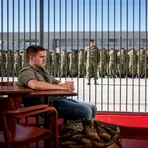
We lost contact after I I left for the Navy.

Autoplay Next

Examples

  • Chris, we need to leave right now.

  • You know I have to leave early this morning.

  • Book another night here or leave and hope for the best.

  • Then her father forced her to leave him and give up their baby for adoption.

    Academic text (2011)
  • Won't the phone die if we leave it on all night?

  • We won't have to leave the house until Tuesday.

  • I say we ought to leave here before the Apaches find us.

  • The Kamm family often spoke about leaving Poland, but they had nowhere to go.

    Academic text (2011)
  • Anees explains that he has no permission to leave Gaza and that he often feels trapped.

    Academic text (2011)
  • After a long week, I decided to leave the office early and enjoy the weekend.

Synonyms

to get out
vsto leave
1.0

Leave a place or situation

is similar but also includes ending involvement with groups or jobs
to get out of here
vsto leave
  • Informal
3.0

Leave a place quickly or suddenly

can be sudden too but also includes calm or formal departures
to go out
vsto leave
1.0

Leave a place to do a task, for example to help people

is wider and also means ending membership or leaving permanently
to go away
vsto leave
709 1.0

To leave a place or person and go somewhere else

is the general act but also covers stopping involvement
to walk away
vsto leave
632 3.5

Leave a person, place, or situation without taking part anymore

can be deliberate too but also includes casual or accidental departures
to resign
vsto leave
  • Formal
533 3.7

Leave a job or office by giving notice

is more general and applies to any end of participation or presence
to withdraw
vsto leave
466 2.8

To stop taking part in a place or activity

can mean simply going away physically rather than reducing involvement
to back off
vsto leave
  • Informal
356 2.8

Move away from someone, or stop taking part in something

is general and can mean physically leaving as well as stepping back
to drop out
vsto leave
214 3.0

To leave a course, competition or group before finishing

is more general and includes leaving for many other reasons
to get off
vsto leave
213 1.6

To leave a vehicle, for example a bus, or stop annoying someone

is more general and not limited to vehicles or annoyance
to pull out
vsto leave
206 3.4

To stop being involved in an activity or agreement

also includes physical going away not tied to commitments
to depart
vsto leave
176 1.3

To leave a place to start a journey

is broader, applying to any going away or stopping involvement
to exit
vsto leave
125 1.0

To go out of a place or leave a situation

covers that action but also includes other ways of stopping involvement
to pull away
vsto leave
86 3.5

To move away from people or a place to create space

is the wider action of going away without focusing on distance creation
to pull out of
vsto leave
79 3.2

Leave an activity or agreement you had joined

is broader and may mean physical departure without breaking commitments
to break away
vsto leave
30 4.1

To leave an organization and form a separate group

can mean simple personal departure without creating a new group
to go forth
vsto leave
  • Archaic
24 8.4

To leave a place and move away

is everyday language rather than formal or literary speech
to quit
vsto leave
22 1.0

To leave a place and not return

can be temporary or permanent and covers softer departures
to bow out
vsto leave
20 4.9

To stop doing a job or role politely

is broader and can be abrupt, informal, or impolite
to disassociate
vsto leave
16 7.0

To end a connection with a person, group, or idea

is wider and includes simple physical leaving without breaking ties
to push off
vsto leave
  • Informal
14 6.8

Leave a place or start a journey

is neutral and fits both formal and informal going away
to shove off
vsto leave
  • Informal
12 7.7

Leave a place quickly, often in a rude way

covers leaving politely or neutrally as well as rude exits
to take leave
vsto leave
  • Formal
5 3.9

Say goodbye to people and go away from a place politely

is general and can be informal or formal farewells
to pull up stakes
vsto leave
  • Informal
5 7.2

Leave home and move to a new place

is broader and also includes short trips or temporary absence
to take her leave
vsto leave
  • Formal
1 7.7

To say goodbye and leave politely

is neutral and applies to anyone leaving regardless of ceremony
to disaffiliate
vsto leave
  • Formal
1 7.5

To stop being a member of a group or organization

covers informal or personal going away as well as formal endings
to go offski
vsto leave
  • Slang
9.9

To leave a place suddenly, usually to go somewhere else

is broader and also includes slow or planned departures

Antonyms

1.0

To remain in one place and not leave

1.0

To reach a place, especially at the end of a journey

Idioms

Is not as good as expected or needed

To go far ahead of someone in speed or success

12 7.9

To abandon someone at the last moment before their wedding

9 4.6

An offer you cannot change that you must accept or refuse

Try every possible way and search everywhere to achieve a goal

Behave in a very foolish way without thinking clearly

Not showing all details so people can think about the missing parts


To try as hard as you can during a game or competition

1 8.9

Going away from a place without telling or asking anyone

Make something not completely certain or convincing

A warning that bad behavior on a work trip can lead to punishment at work when you return

Do much better than other companies or teams

To be ready to leave a place or situation for the smallest reason

To put aside your pride to work well with others

To let someone else decide what to do next

7.8

To walk out suddenly while showing anger

Make someone laugh a lot so they cannot stop

8.2

To say goodbye in a warm, loving way when you must leave

To leave a place quickly, often as a joke

Phrasal Verbs

2.3

To avoid touching and disturbing a person, animal or object

604 2.6

To go away from a place without taking someone or something with you

312 2.3

To not include someone or something

to leave off
  • Informal
104 4.1

Stop doing something for a short time, for example at a point in a book

102 1.4

To move out of your parents' house to live by yourself

Go away from a place before the usual or expected time

To die and have people or things remain after you

to leave office
  • Literature
53 4.2

Stop being a leader with official power, for example a government official or company boss

To stop talking about an issue and accept it as it is

45 6.6

Fail to give someone help or information when they need it

to up and leave
  • Informal
41 6.3

Go away suddenly without warning or explanation

25 2.3

To let something stay switched on or stay where it is

To not take or change something so it stays where it is

to leave a mark
  • Informal
18 3.9

To have a lasting effect on a person or thing that people notice

To keep a chance open for the future

12 4.4

Not include someone or something in a list

To stop working at a job because you want something different

to take leave
  • Formal
5 3.9

Say goodbye to people and go away from a place politely

to leave off
  • Informal
1 4.5

Stop wearing a piece of clothing, for example a tie

1 6.7

To keep worries and problems out of a place so you can focus

to leave it be
  • Informal
1 5.1

To let something stay as it is without changing it

To make someone feel very amazed and full of admiration

1 7.7

To say goodbye and leave politely

Stop discussing a topic and not talk about it more

7.5

To beat others easily by being much faster or better

7.7

To stop growing crops on a field for a time to let the soil get better

Compounds

38 3.9

A period when someone is officially allowed to be away from work or school

30 1.0

The moment when you should leave a place

shore leave
  • Jargon
14 5.6

Official permission for sailors to go ashore while their ship is in port

14 2.4

A period away from work because a worker is ill

12 2.7

Time away from work to care for family members after a birth, adoption, or when they are ill

5 3.4

Time off work to care for a new child after birth or adoption

Time a father can take off work after a child is born or adopted

A long time away from work for personal, medical, or family reasons

1 3.5

Time away from work given so a worker can deal with a serious family illness or death

leave-taking
  • Formal
1 7.0

To say goodbye in a polite or formal way

1 7.0

A final time away from duty taken before leaving the military while still officially in service

A period of paid time away from work to study or travel

ticket-of-leave
  • Archaic
1 9.9

A permit that lets a prisoner live and work outside prison under rules
A person who is away from military duty without permission

How Permanent

to abandon
773 3.1
to quit
668 1.0
to leave
1.0
to walk away
632 3.5
to go away
709 1.0

Surface Forms

leave infinitive
leaving present participle
leaves third person singular
left past
left past participle

Etymology

Leave meaning 'to go away' comes from Old English lǣfan, which meant 'to go away' or 'let go', so to leave a place is simply to go away from it.