
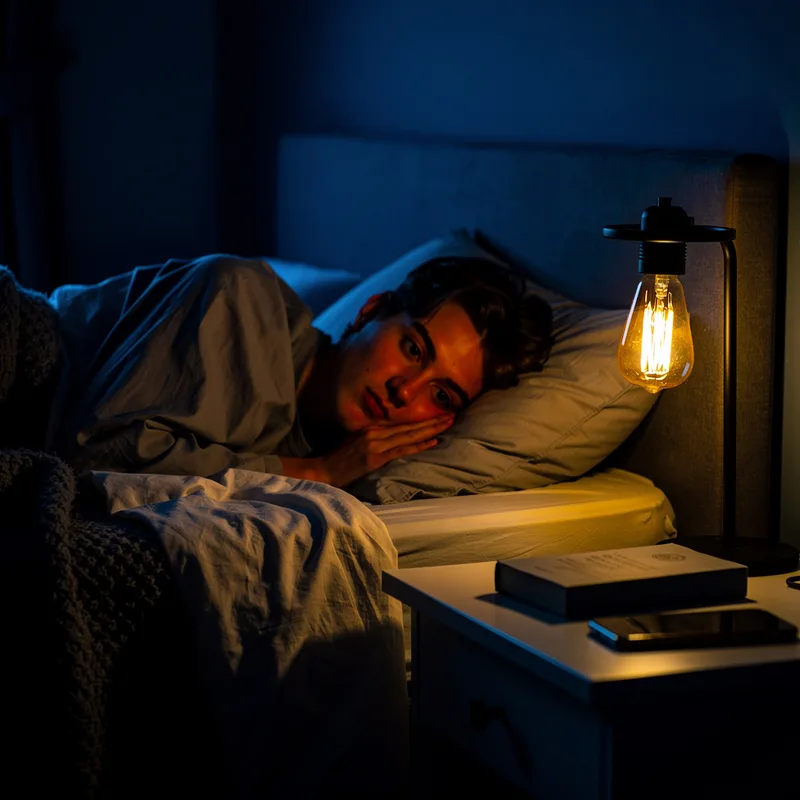
to leave on
 276
2.3

- phrasal verb
- It's just the TV left on.
Loading YouTube…
Watch on YouTubeAnything you leave on this coffee table just vanishes overnight.
- Anything you leave on this coffee table just vanishes overnight.
- And then there's probably like a third of the lobster tail left on the plate.
- Why do they lead to Alzheimer's when the switch is left on?
- And then just one thing because I'd like to leave on hopium and just a little giggle.
Examples
-
Anything you leave on this coffee table just vanishes overnight.
-
It's just a fan that's been left on.
-
Why are all these lights left on?
-
One narrow window had a light on, probably a bathroom light left on all night.
Fiction book (1998) -
The perimeter sensors are still left on.
-
The truck and the light that Schmidt had left on glowed off to the right.
Fiction book (1991) -
"The Light Searcher," built by Jonathan Ioviero, electronically searches for lights left on in a house.
Academic text (2001) -
Please remember to leave on the lights when you go out so the house looks lived in.
-
You should leave on your jacket if it's still chilly outside.
-
Don't forget to leave on the coffee maker so it's ready for the morning.
Antonyms


How Active
131
1.0
 604
1.4
276
2.3
- Informal
93
4.1
816
1.3
Surface Forms
Morphology
The meaning 'to allow something to remain operating' is directly and transparently derived from 'leave' (to leave in a state) combined with 'on' (powered/active). This verb + particle composition follows a common, cross-linguistic pattern (leave + on = leave switched on) and would be readily inferable by a B1 learner who knows both constituents.
Etymology
Leave on comes from the simple image of leaving a switch in the on position. If you leave a lamp switch on, the light keeps working, so leave on means 'to allow something to stay working or in place'.