
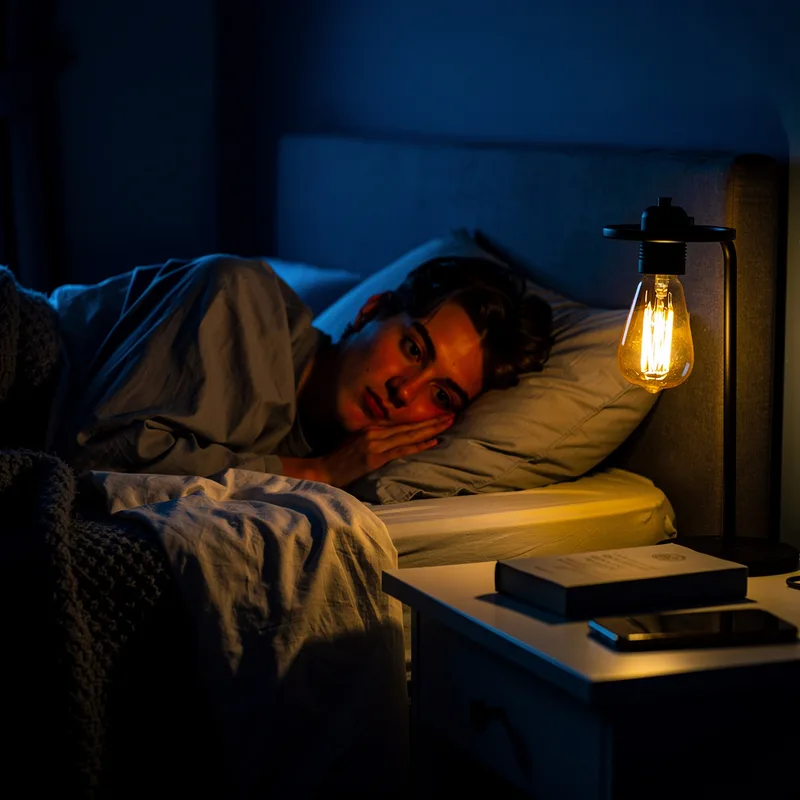
to leave on
 25
2.3
25
2.3

- phrasal verb
- It's just the TV left on.
Loading YouTube…
Watch on YouTubeAnything you leave on this coffee table just vanishes overnight.
- Anything you leave on this coffee table just vanishes overnight.
- And then there's probably like a third of the lobster tail left on the plate.
- Why do they lead to Alzheimer's when the switch is left on?
- And then just one thing because I'd like to leave on hopium and just a little giggle.
Examples
-
Anything you leave on this coffee table just vanishes overnight.
-
It's just a fan that's been left on.
-
Why are all these lights left on?
-
One narrow window had a light on, probably a bathroom light left on all night.
Fiction book (1998) -
The perimeter sensors are still left on.
-
The truck and the light that Schmidt had left on glowed off to the right.
Fiction book (1991) -
"The Light Searcher," built by Jonathan Ioviero, electronically searches for lights left on in a house.
Academic text (2001) -
Please remember to leave on the lights when you go out so the house looks lived in.
-
You should leave on your jacket if it's still chilly outside.
-
Don't forget to leave on the coffee maker so it's ready for the morning.
Antonyms


How Active

Surface Forms
Morphology
The meaning 'to allow something to remain operating' is directly and transparently derived from 'leave' (to leave in a state) combined with 'on' (powered/active). This verb + particle composition follows a common, cross-linguistic pattern (leave + on = leave switched on) and would be readily inferable by a B1 learner who knows both constituents.
Etymology
Leave on comes from the simple image of leaving a switch in the on position. If you leave a lamp switch on, the light keeps working, so leave on means 'to allow something to stay working or in place'.