
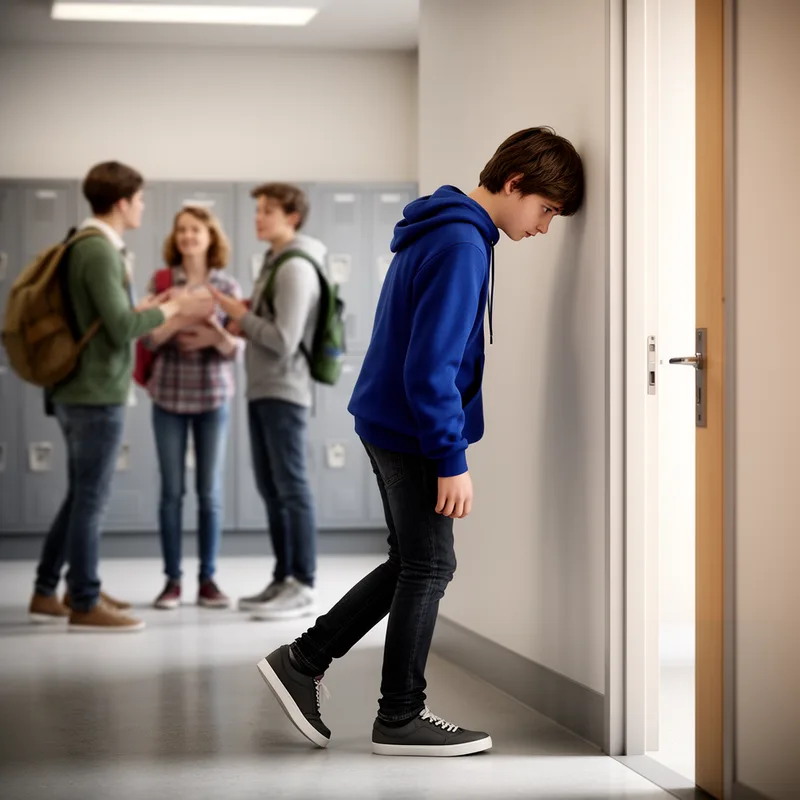
to sidle away


 1
7.7
1
7.7
- phrasal verb
- /ˈsaɪdəl əˈweɪ/
- Feeling uncomfortable with the conversation, she quietly sidled away from the group.
Examples
-
It feels poisonous to me, and I find myself sidling away from very angry people even when I basically agree with them.
Blog text (5) -
The brown mare tried to sidle away, then threw herself back on her haunches, twisting, ready to rear.
Fiction book (1992) -
The bird sidles away from the other bird.
Fiction book (1992) -
Harrison was wearing striped pants, and before Mr. Fox could speak to him, he sidled away like a crab into the crowd.
Fiction book (1993) -
He had sidled away and sat dejectedly on the flower pot.
Fiction book (1999) -
The goats began to sidle away, and she took a halfhearted whack at the nearest with the stick she held.
Fiction book (1993) -
As the argument escalated, he decided to sidle away before things got too heated.
-
Not wanting to disturb anyone, she sidled away from the event without saying goodbye.
Synonyms
 709
1.0
709
1.0
To leave a place or person and go somewhere else
 632
3.5
632
3.5
Leave a person, place, or situation without taking part anymore
 356
2.8
356
2.8
Move away from someone, or stop taking part in something
 235
4.0
235
4.0
To move back from a place or plan to avoid danger
 125
3.7
125
3.7
To leave a place quietly so no one notices you
 86
3.5
86
3.5
To move away from people or a place to create space
 39
3.8
39
3.8
To leave a place quietly without anyone noticing
 33
4.0
33
4.0
Leave a place quietly so others do not notice
 32
3.4
32
3.4
To leave a place quietly without anyone noticing
 17
3.6
17
3.6
To leave a place quietly without being noticed
 16
6.7
16
6.7
To move quietly and carefully to avoid being seen
 13
4.4
13
4.4
To move back from a place or activity to avoid danger and trouble
 12
7.2
12
7.2
To leave a place quickly and quietly to avoid something you should do
 10
4.9
10
4.9
Leave a person because they are angry with you
 5
8.1
5
8.1
To move slowly and quietly to the side to avoid being noticed
 4
6.3
4
6.3
To leave a meeting or party quietly so no one notices
How Stealthy

Surface Forms
Morphology
The verb 'sidle' already encodes a quiet, sideways movement to avoid attention, and adding 'away' simply indicates movement away from a person or place. This V + away compositional pattern is a standard motion construction in English, so a B1 learner who knows both constituents can derive the MWE meaning.
Etymology
Sidle away comes from the picture of someone moving slowly and sideways, sidle, and quietly leaving, away, along a wall or past people so others do not notice. That's why it means 'to move away quietly' or to leave without drawing attention.