

to back away
 59
3.9
59
3.9

- phrasal verb
- /bæk əˈweɪ/
 :
retirarse de
:
retirarse de
- She decided to back away from her commitment to the project after thinking it over.
- the administration backed away
Some people love it, but most people will back away from it.
- Some people love it, but most people will back away from it.
- If they say yes, either have them listen to this program or back away slowly.
- You could just back away slowly from that environment.
- But, you know, as his self destruction increased, we kind of backed away.
- No, if this happens, you need to back away.
- Or maybe you were just too needy and too smothering for her and she just backed away from you.
- Hopefully stocks just start going up again, bonds start going up again and we just slowly back away.
- Why did you know, like I would just give them interview questions and then I would back away.
- And but I was able to back away from it and then over.
Examples
-
When faced with unexpected challenges, it's wise to back away and reassess your plan.
-
If you feel uncomfortable, it's okay to back away from the conversation.
-
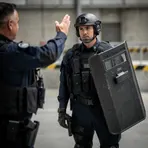
Put the gun down now, and back away.
-
All right, now just back away from him.
-
All you guys, back away!
-
All right, just back away.
-
If they say yes, either have them listen to this program or back away slowly.
-
You could just back away slowly from that environment.
-
Back away from the gun and turn around.
-
Back away from the window!
Synonyms
 ∞
1.0
∞
1.0
To go away from a place, person, or group
 632
3.5
632
3.5
Leave a person, place, or situation without taking part anymore
 466
2.8
466
2.8
To stop taking part in a place or activity
 401
3.8
401
3.8
Stop supporting an idea or plan
 356
2.8
356
2.8
Move away from someone, or stop taking part in something
 235
4.0
235
4.0
To move back from a place or plan to avoid danger
 206
3.4
206
3.4
To stop being involved in an activity or agreement
 162
3.4
162
3.4
To move yourself and things backward from a place, person, or situation
 123
5.1
123
5.1
To stop doing a job, duty or action after someone tells you to
 107
3.7
107
3.7
To stop insisting because others oppose you
 86
3.5
86
3.5
To move away from people or a place to create space
 82
5.3
82
5.3
To stop being part of or connected to something
 79
3.4
79
3.4
Decide not to do something you promised to do
 79
3.2
79
3.2
Leave an activity or agreement you had joined
 69
6.3
69
6.3
To give up a right, belief, job, or position officially
 57
3.7
57
3.7
To move back to a safer place when facing danger
 44
8.6
44
8.6
Say publicly that you no longer believe something you said before
 41
6.0
41
6.0
To take back a statement or opinion in public
 25
8.5
25
8.5
To break a promise or agreement and not do what you said you would do
 20
4.9
20
4.9
To stop doing a job or role politely
 16
7.2
16
7.2
Fail to do something you promised or agreed to
 15
3.7
15
3.7
To refuse to have anything to do with someone or something
 13
4.4
13
4.4
To move back from a place or activity to avoid danger and trouble
 4
4.1
4
4.1
To move backwards away from something because of fear or surprise
 2
3.7
2
3.7
To stop taking part in an agreement you already agreed to
 1
4.7
1
4.7
Move away because you are afraid or disgusted
 1
4.0
1
4.0
To move back from a place or position, often to a safer spot
 1
8.4
1
8.4
To officially take back a promise or plan
 1
3.3
1
3.3
To decide not to continue with a plan or suggestion
 1
9.9
1
9.9
To back out of a promise or agreement


 1
7.9
1
7.9
To change an earlier decision or statement because of pressure
 1
9.9
1
9.9
To publicly promise to give up a belief, habit, or claim

Take back a promise or support you gave

To withdraw from a promise or agreement, often officially under pressure

To try to avoid doing something you promised or agreed to do
Antonyms

How Withdrawn
466
2.8
 59
3.9
162
3.4
227
3.7
318
2.5
59
3.9
162
3.4
227
3.7
318
2.5
Surface Forms
Morphology
The phrasal verb 'back away' is compositionally built from 'back' (to move backward) and 'away' (away from), so the core sense of retreating or withdrawing is directly inferable. Its metaphorical extension to withdrawing from commitments is a straightforward mapping from physical retreat to social/psychological retreat and is cross-linguistically common, making it understandable to a B1 learner who knows the constituents.
Etymology
The phrasal verb back away comes from the picture of stepping backwards: your back moves away from something you do not want. That's why to back away from an agreement means to 'pull out' or move away from a promise when you hesitate or change your mind.