

genus
 13
7.1
13
7.1

- noun
- /ˈdʒɛnəs/
- Specialized
- Miscanthus is a genus of rhizomatous perennial C4 grasses native to the tropics and subtropics.
- species and genus
- Members of the genus
- belong to the genus
Loading YouTube…
Watch on YouTubeAs a reminder, Strix comes from the owl genus called the Strix.
- As a reminder, Strix comes from the owl genus called the Strix.
- You will see crops that have the same genus and species name as one another that look wildly different and still can cross.
Examples
-
Our research group at Oregon State trained a computer vision system to recognize the genus of a specimen from an image.
Academic text (2017) -
The cacao tree is classified under the genus Theobroma, which means "food of the gods."
-
So it's not that simple to talk just about, you know, that one genus housing the species.
-
In members of the genus Marsilea, the first leaves to form are long and thin.
Academic text (1996) -
All members of the genus Gliocladium do not share a recent common ancestor.
Academic text (1995) -
Some of the oldest fossils from our own genus, Homo, were named habilis for their association with stone implements.
Academic text (1999) -
The earliest members of our lineage, the genus Homo, were darkly pigmented.
-
Among the butterflies we observed were two dark-colored species in the genus Oeneis, commonly called arctics.
Academic text (2011) -
Interestingly, the cacao tree is a species of the genus Theobroma, which translates from the Latin as the "food of the gods."
-
In biology class, we learned that the wolf belongs to the genus Canis along with dogs and foxes.
Synonyms
 1
9.1
1
9.1
A group of living things that scientists put together, like a species or family


 1
7.0
1
7.0
A set of living things that are put together because they are related, for example lions and tigers

A rank in the classification of living things like species or family that shows how they are related
Compounds

- Specialized
A group of flowering plants that have two seed leaves when they start to grow


- Specialized
A group name for fungi seen only in their non-sexual stage, often causing plant disease

- Specialized
A temporary group for living things, often fossils, whose relations to others are unclear
- Specialized
A group of flowering plants from an early branch of plant evolution


- Specialized
A small knee muscle that lifts the joint lining when you straighten your leg

- Specialized
A North American tree or bush that loses its leaves and makes small edible berries


- Specialized
A tiny single cell that lives in wet soil or water and moves by changing shape

- Specialized
A group of large tropical East Asian plants with underground roots and strange, smelly flowers, including the corpse flower
- Specialized
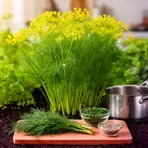
A group of plants with a strong smell that includes dill used in cooking



- Specialized
A group of thin-shelled freshwater mussels that live in lakes and slow rivers

- Specialized
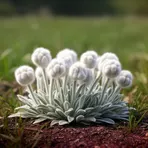
Group of small woolly plants with soft white flower heads like cat paws

- Specialized
A group of tropical evergreen plants often grown as houseplants with bright heart-shaped flowers

- Specialized
A group of antelope that includes the blackbuck found mainly in India
- Specialized
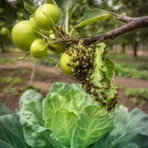
A group of small aphids that suck plant sap and damage fruit trees and vegetables


- Specialized
A group of legless reptiles that live underground and look like worms

- Specialized
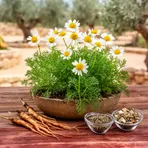
A group of plants in the daisy family that includes Spanish pellitory
- Specialized
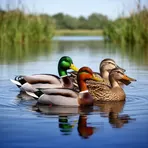
A small group of shrubs from southern Europe with seed pods that curve backward


- Specialized
A small group of evergreen trees from tropical America and western Africa prized for strong wood

- Specialized
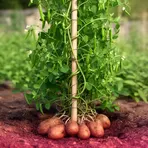
Low-growing evergreen shrubs from northern regions that have small pink flowers
- Specialized
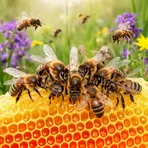
A group of climbing plants in the pea family that live for many years, like the groundnut


- Specialized
A group of tropical evergreen plants, often small trees or bushes with glossy leaves and berries


- Australian
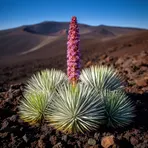
A group of woody climbing plants from tropical Asia and Australia in the morning glory family

- Specialized
A group of flowering plants with underground stems that come back each year, like Jack-in-the-pulpit

- Specialized
A group of small sea fish called cardinalfish that live in warm tropical seas


- Specialized
A group of related shrubs, trees, and vines with large decorative leaves

- Specialized
A group of large brown wading birds with long bills that live in warm swampy places, including the limpkin

- Specialized
A group of spiders that make round webs, including garden and barn spiders

- Specialized
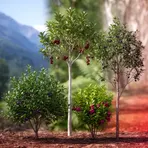
A group of evergreen trees and shrubs like the strawberry tree that grow in southern Europe and western North America



- Specialized
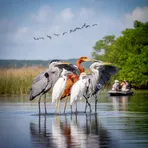
A group of evergreen shrubs with red bark and thick leaves native to western North America
- Australian
A small group of shrubs and small trees native to Australia, New Zealand and western South America

- Specialized
A small group of plants in the cabbage family that includes horseradish

- Specialized
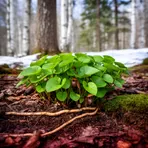
A group of small plants like wild ginger that live many years and grow in cool northern regions



- Specialized
A group of garden and wild plants like asparagus with thin stems and small leaves

- Specialized
A group of venomous snakes with small horns found in parts of Europe and Africa

- Specialized
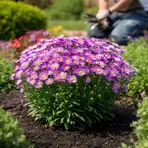
A large group of herbs and small shrubs in the pea family found in northern temperate regions
- Specialized
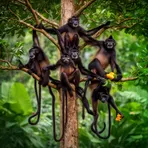
A group of Central and South American monkeys called spider monkeys with long arms and a tail that holds things
- Specialized
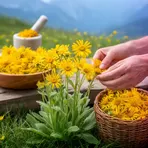
A group of herbs with bright yellow flowers used in traditional medicine
- Specialized
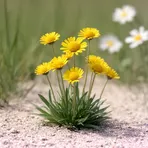
A small group of flowering plants in the daisy family called lamb succory

- Specialized
A group of evergreen trees from Asia that includes breadfruit and jackfruit

- Specialized
A group of plants with thick roots and heart-shaped leaves from Europe and Asia

- Specialized
A group of bamboo plants native to North America called switchcane
- Specialized
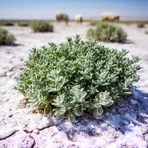
A group of plants like saltbush that often grow in salty or alkaline soil

- Specialized
A group of tough evergreen shrubs from East Asia with shiny leaves and red berries

- Specialized
A group of fish like trumpetfish with long snouts that live near coral reefs
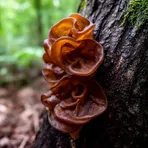
- Specialized
A group of jelly-like mushrooms with ear-shaped bodies like wood ear

How Broad

Surface Forms
Etymology
The biological word genus comes from the Latin genus, meaning 'kind' or 'race' and is the same root as genre. That's why in biology a genus groups species that are the same 'kind' and closely related.