
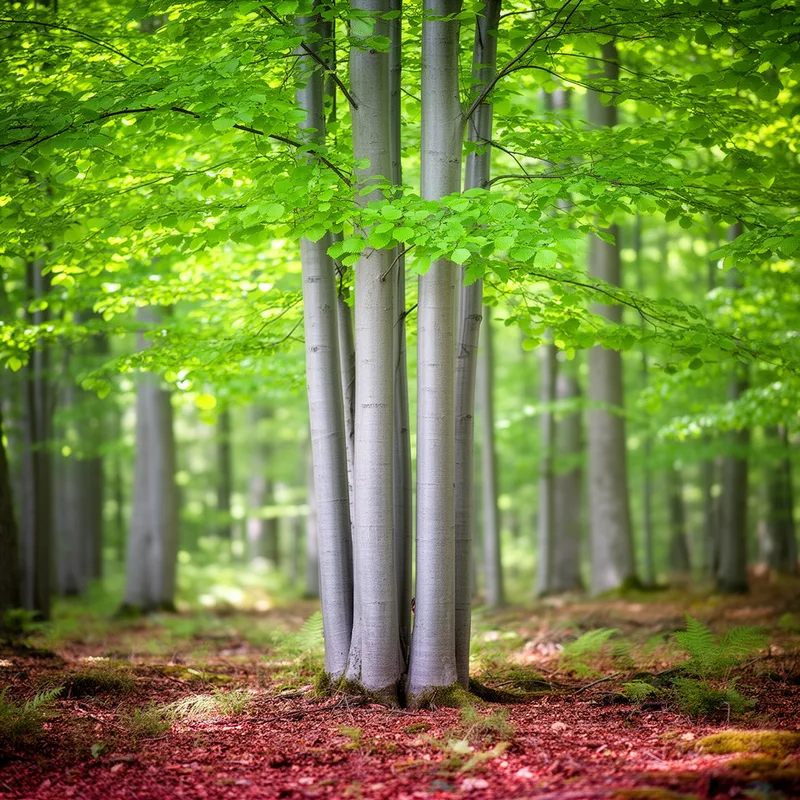
genus Fagus
- noun
- /ˈdʒɛnəs ˈfeɪɡəs/
- Specialized
- The genus Fagus includes several species of beech trees found across Europe, Asia, and North America.
Examples
-
Botanists studied the differences between European and American species within the genus Fagus.
-
The distinctive bark and leaves help to identify members of the genus Fagus in the wild.
-
The genus Fagus includes several species of beech trees.
-
Did you know that the genus Fagus is native to Europe?
-
The genus Fagus includes several species of trees that are known for their smooth bark and beautiful foliage.
-
In forest ecosystems, the genus Fagus plays an important role by providing habitat for various wildlife.
-
Researchers are studying the genus Fagus to understand how climate change affects its growth patterns.
Synonyms
A group of beech trees that grow in northern parts of the world
Surface Forms
Morphology
The meaning is directly compositional: 'genus' (a biological rank) combined with the taxonomic name 'Fagus' yields 'the genus named Fagus (beeches)'. Although this is technical and uses a Latin name, the structure follows standard biological naming conventions and a B1 learner who knows both constituents can infer the MWE's meaning.
Etymology
Genus Fagus comes from Latin. The word genus means a 'group of species' and Fagus was the old Latin name for the 'beech', so the phrase literally names the group of beech trees and is used today to mean that group.

